
7 Essential Maintenance Tips for Preserving a Classic Off-Roader
Owning a classic off-roader isn’t just about the thrill of adventure—it’s about preserving a legacy. These rugged machines require special care to keep them running smoothly for years to come. Whether you own a vintage Land Rover, Jeep, or a classic G-Wagon, regular maintenance is key to retaining performance and value.
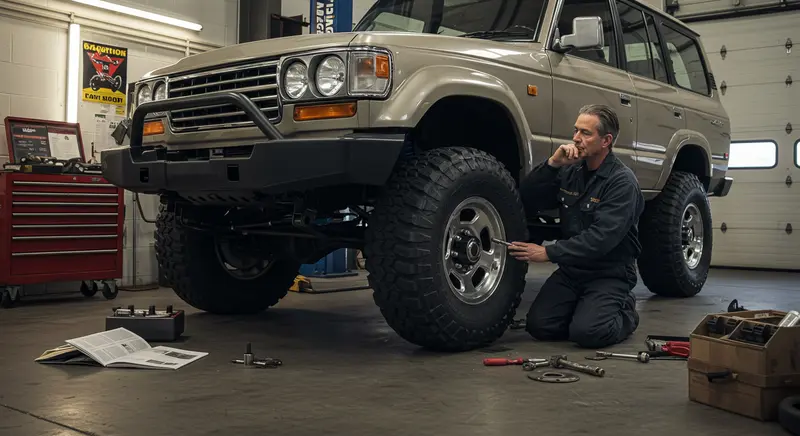
In this guide, we’ll explore essential maintenance tips to help you keep your classic off-roader in top shape, ensuring reliability both on and off the road.
1. Regular Engine Check-Ups and Fluid Maintenance
Regular engine check-ups are crucial to keeping your classic off-roader running smoothly. Routine inspections help spot potential issues before they become major problems, ensuring your engine stays in top condition.
Start with checking the oil, coolant, and transmission fluid regularly. Low or dirty fluids can cause significant engine damage. Change them according to the manufacturer’s recommendations.
Keep an eye out for leaks, especially around the engine and undercarriage. Leaking fluids can lead to engine strain and environmental harm. If you notice a leak, address it promptly by tightening seals or replacing worn-out parts to prevent further damage.
2. Keeping the Suspension and Undercarriage in Top Shape
Classic off-roaders often endure rough conditions, making their suspension and undercarriage especially vulnerable. These vehicles need extra care to maintain their rugged performance and longevity. Regularly inspect shocks, struts, and bushings for wear or damage. Worn-out components can affect handling and safety, so replacing them on time is key.
Don’t forget the undercarriage. Clean it thoroughly after off-roading to remove dirt and debris. Rust-proofing is essential to prevent corrosion from harsh conditions. A little extra care here goes a long way in preserving your off-roader’s performance.
3. Tire Care: Ensuring Traction and Longevity
Choosing the right tires is essential for a classic off-roader’s performance. Make sure to select tires that match your vehicle’s specifications and the terrain you plan to tackle. Regularly check tire pressure to ensure it’s at the recommended level. Under or over-inflated tires can lead to poor traction and uneven wear.
Alignment is another important aspect. Misaligned tires can cause your vehicle to pull to one side, affecting handling. Rotate your tires regularly to prevent uneven wear and extend their lifespan. Proper tire care will help keep you safe and improve your off-roading experience.
4. Rust Prevention and Body Protection
Rust is a common enemy for classic off-roaders, especially in areas like the undercarriage, wheel wells, and door frames. These spots are exposed to moisture and road salt, making them more prone to corrosion.
To prevent rust, apply rust inhibitors to vulnerable areas. Regularly clean the vehicle, removing dirt, salt, and moisture that can promote rust. Use a gentle, non-abrasive cleaner to protect the paint and finish. When not in use, store your off-roader in a dry, covered space. This simple step helps protect it from the elements and prevents moisture buildup that can lead to rust.
5. Electrical System and Battery Maintenance
The electrical system is vital for your off-roader’s performance, so regular checks are essential. Inspect the wiring for signs of corrosion or damage, especially in older models. Corroded or frayed wires can lead to electrical failures and safety hazards. Ensure your battery is in good condition by checking its charge regularly. A weak or aging battery should be replaced to avoid unexpected issues.
If you experience electrical problems, troubleshoot common issues like faulty fuses, damaged wiring, or poor connections. Addressing these early will keep your off-roader’s electrical system running smoothly and prevent breakdowns.
6. Brake System Upkeep for Safety and Performance
Your brake system is critical for safety, so regular maintenance is a must. Start by inspecting the brake pads, rotors, and lines for wear or damage. Worn-out pads or warped rotors can lead to reduced braking performance and even failure. Flushing and replacing brake fluid is another essential task. Over time, fluid can absorb moisture, reducing its effectiveness.
If you’re looking to improve performance, consider upgrading your brake components. High-quality pads, rotors, and lines can offer better stopping power, especially for off-roading. Keeping your brake system in top shape ensures both safety and reliability.
7. Maintaining the Fuel System
Maintaining your fuel system is key to ensuring efficiency and engine health. Start by cleaning or replacing the fuel filter regularly. A clogged filter can restrict fuel flow, leading to poor engine performance. Check the fuel lines for leaks or signs of wear. Leaking fuel can lead to engine damage and safety hazards. If you spot any issues, address them immediately.
Using high-quality fuel and additives can help keep the engine clean and running smoothly. Additives prevent the buildup of carbon deposits, improving fuel efficiency and engine longevity. Regular fuel system maintenance is essential for smooth performance.
Conclusion
A well-maintained classic off-roader isn’t just a vehicle—it’s a piece of history. By following these maintenance tips, you’ll ensure that your rugged machine remains in excellent condition for years to come. Regular check-ups, proper storage, and attention to detail can make all the difference in preserving your classic off-roader’s performance and value. Whether you’re taking it on rough trails or cruising through the city, keeping up with maintenance guarantees that your classic off-roader will always be ready for the next adventure.
