
Steps to Take When Your Car Is Not Drivable After an Accident
Getting into an accident is stressful enough, but when your car won’t start, won’t move, or looks like it barely survived a demolition derby, that stress doubles instantly. Now you’re not just shaken; you’re stuck on the road, possibly injured, and overwhelmed. This is the moment where decision matters. The first hour after a serious accident often shapes everything that follows; your safety, your insurance claim, and even your personal injury case. If your vehicle is not drivable, here’s exactly what to do.
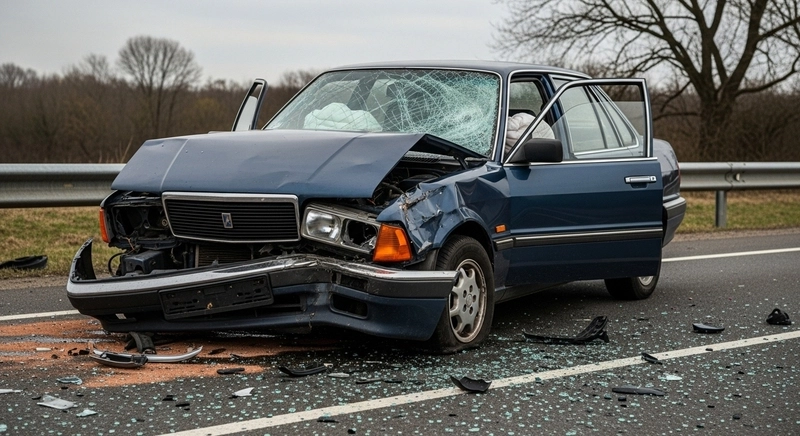
Secure the Yourself and the Scene
Before thinking about the car, think about your body. If you can move safely, get yourself out of harm’s way. Turn on hazard lights and set up warning triangles if you have them. If the accident happened on a busy road or highway, staying inside a disabled vehicle can be dangerous, especially if it’s stuck in traffic. Even if you feel fine, adrenaline masks pain. From a legal perspective getting medical attention immediately also creates a clear record that links your injury to the accident.
Document Everything
When a car isn’t driveable, it usually means serious damage. That’s exactly why documentation becomes critical. Take photos of all vehicles involved, the road, skid marks, debris, traffic signs and signals, visible injuries and the inside of your car if airbags deployed. Get the other driver’s information and contact details of any witness. Don’t rely on police reports alone. Insurance companies and attorneys both use your evidence to reconstruct what happened.
Call for Proper Vehicle Transport
If your car won’t move, don’t try to force it or push it to the nearest mechanic. You could cause more damage or put yourself at risk. This is where arranging professional transport matters. Whether the car is totaled or just temporarily disabled, it needs to be moved safely to a repair shop, storage lot, or insurance-approved facility. For example, someone in Texas might use a service like Towing Company Georgetown TX when arranging transport, but the key point is understanding that towing is part of preserving evidence and protecting your claim.
Notify Your Insurance
You should report the accident quickly, but don’t unknowingly hurt your own claims. Stick to the facts such as time and location, vehicles involved, and that your car is not drivable. Avoid guessing who’s at fault, saying you’re fine or not hurt, or speculating about what happened. Insurance adjusters are trained to extract statements that reduce payouts. Even casual phrases can be used against you later. This is especially important if injuries appear after the crash which is extremely common.
Talk to a Personal Injury Lawyer
When your car is undriveable, you’re almost always dealing with a higher-value claim. That means more money is on the line, and insurance companies will push harder to minimize what they pay. A personal injury lawyer helps with communicating with insurers, preserving evidence, calculating real damages (medical, lost income, pain and suffering) and making sure the vehicle inspection supports your injury claim.
Endnote
A non-drivable car is a signal that the accident was serious, both mechanically and legally. What you do in the first few hours sets the tone for everything: your recovery, your claim, and your financial outcome.
