
New Year, New Wheels: E-Scooters, Icy Roads, and Sudden Spills
The start of a new year often brings new habits and new ways to get around. E scooters have become a popular option for short trips and daily commutes. When winter conditions enter the picture, a simple ride can turn into a serious fall that leaves riders trying to protect your rights after an unexpected injury.
The Rise of E-Scooters in Everyday Travel
E scooters have become an easy go-to for quick trips. People use them to dodge traffic, cut down on parking hassles, and get from point A to point B without much planning. In many places, they have gone from novelty to the norm.
New riders often underestimate how different scooters feel compared to bikes or cars. Balance and braking require practice. Winter weather makes that learning curve steeper.
Why Winter Changes Everything
Winter can make roads unpredictable in ways that are hard to spot. Ice can form even when the pavement looks dry, especially in shaded spots or early in the morning. A little moisture can freeze fast and create slick patches without warning.
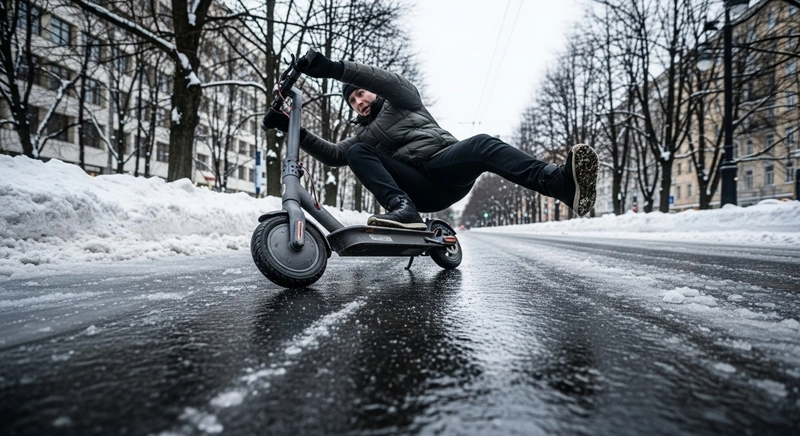
Scooters have small wheels and limited traction. They are more sensitive to surface changes than larger vehicles. A patch of ice that a car barely notices can send a scooter sliding.
Icy Roads Create Hidden Dangers
Ice is not always visible. Black ice blends into pavement and gives no warning. Riders may not realize the danger until it is too late. Sidewalks and bike lanes often freeze before roads. These areas may also be cleared less frequently. Scooters traveling through them face a higher risk.
How E-Scooter Design Affects Stability
Scooters are lightweight by design. This makes them portable but less stable on slick surfaces. Small wheels struggle to grip uneven or icy ground. Braking systems are also limited. Sudden stops can cause wheels to lock. On ice, that loss of control happens fast.
New Riders Face Added Risk
A lot of people hop on a scooter for the first time around the new year. Some get one as a gift, and others try rentals because promotions make it feel low-risk. The problem is that inexperience shows up fast when the road is slick. New riders may not know how to adjust speed properly. They may overestimate the stopping distance. Winter conditions amplify these mistakes.
Common Injuries From Winter Scooter Falls
Winter scooter falls usually happen in a split second. Most people instinctively throw their hands out, so their wrists, elbows, and shoulders take the hit. Head injuries are also a concern when balance is lost, and the rider goes down hard. Even a slow fall can cause real damage. Cold muscles do not react as quickly and tend to tighten up faster. That can make injuries feel worse, and recovery take longer.
The Role of Speed and Reaction Time
Speed feels different on a scooter. Even moderate speeds reduce reaction time on ice. Braking requires more distance than riders expect. Winter clothing can also restrict movement. Bulky gloves and coats minimize control. These factors combine to increase fall risk.
Road Maintenance and Responsibility
Public walkways and streets require maintenance. Ice removal policies vary by location. Some areas receive less attention than others. Poor maintenance can create dangerous conditions. Riders may assume routes are safe when they are not. Responsibility becomes an important question after an injury.
Rental Scooters and Shared Responsibility
Many riders use app-based scooter rentals because they are easy to grab and go. In those cases, maintenance and basic safety checks are primarily in the company’s hands. Riders trust that the scooter they unlock is in good working order.
Issues like worn tires or faulty brakes increase risk. Winter exposes these weaknesses. Determining responsibility after an accident can be complex.
Medical Costs Add Up Quickly
A serious fall can mean more than a few scrapes. A trip to the ER, X-rays or other scans, follow-up visits, and physical therapy can get expensive fast. If you miss work, the hit to your paycheck can add stress on top of the injury. Winter can make things tougher, too: getting around on icy sidewalks while you’re already sore or limited is a bad combination. When an injury disrupts daily life, the financial strain can feel like it snowballs.
What Riders Can Do to Reduce Risk
If conditions are icy, it’s often safest to skip the ride. When you do ride, keep your speed down so you have more time to react. Stick to well-lit, well-maintained routes and avoid patches of snow, slush, or uneven pavement. Wear protective gear when you can, and don’t treat a helmet as optional: it’s one of the simplest ways to reduce the risk of a serious head injury. Staying alert to road and sidewalk conditions is still your best protection.
When Accidents Still Happen
Even when you are careful, winter can catch you off guard. One hidden ice patch is enough to take the wheels out from under you with almost no warning. Falls happen fast, and you may not even realize how hard you hit until a few minutes later.
Understanding next steps matters. Documenting conditions and injuries helps later. Support may be needed to recover fully.
Why Awareness Matters Beyond the Ride
Scooter safety isn’t just about the rider. A crash or sudden fall can affect pedestrians and nearby drivers, especially in busy areas. When people stay alert and follow the rules, everyone gets a safer experience on the street. As cities keep adding new ways to get around, winter safety has to keep up.
Looking Ahead to Safer Riding
Education makes a real difference. Riders who understand what winter conditions can do, such as slick pavement, reduced visibility, and slower stopping, are better prepared to avoid trouble. Cities and scooter companies also play a role in providing clear guidance and maintaining equipment in good condition. Winter doesn’t have to end scooter use, but it does require smarter choices, slower speeds, and a more cautious approach.
Final Thoughts
E scooters offer convenience, but winter conditions change the rules. Ice and cold create risks that riders cannot ignore. When spills happen, knowing how to protect your rights after an unexpected injury can help riders focus on recovery and safer journeys ahead.
