
Factors That Compromise the Safety of a Motor Scooter
Motor scooters have exploded in popularity over the past few years. They’re compact, affordable, and perfect for zipping through city streets or cutting down the time on a short commute. In many places, they’re seen as the fun, practical alternative to cars and even bikes, offering freedom without the hassle of traffic or expensive fuel costs.
But underneath their convenience and sleek design lies a long list of hazards that every rider needs to know, at least before riding a motor scooter. While some people assume scooters are safer just because they’re smaller and slower than motorcycles, the truth is that their size and simplicity often make them more dangerous, not less.
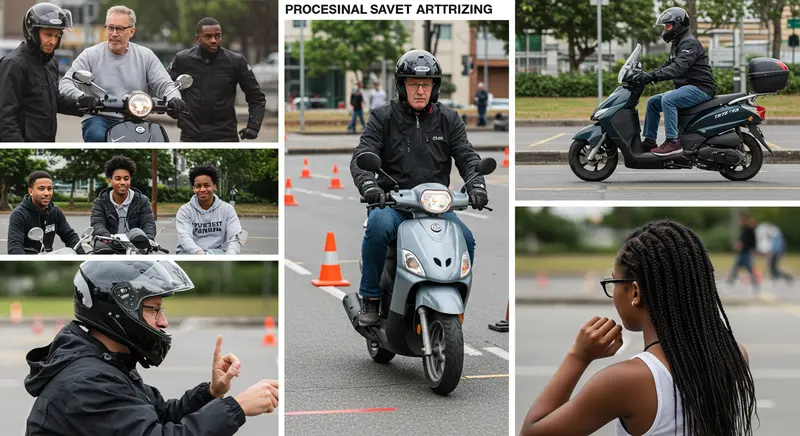
That said, a motor scooter can quickly turn into a safety nightmare if you’re not fully aware of its limitations, especially when it shares the road with bigger, faster vehicles. You might feel in control, but real-world road conditions and unpredictable traffic don’t always give you the chance to react.
Before you even think about hopping on a motor scooter, you have to first understand the factors that make them riskier than they appear:
Lack of Safety Features
Unlike cars, motor scooters don’t come with a protective frame, airbags, or seat belts. You are completely exposed. If another vehicle strikes your scooter, your body takes the full impact, and even a low-speed crash can leave you with devastating injuries.
A helmet might protect your head, but your limbs, spine, and internal organs are left vulnerable. In a car, a fender bender might lead to a few dents. On a scooter, that same accident can lead to broken bones or long-term mobility issues.
Limited Visibility in Traffic
One of the most common reasons scooter riders get hit by cars is that drivers simply don’t see them. Scooters are much smaller and lower to the ground than bikes or motorcycles, and they don’t make any noise at all.
That means you can be riding along safely, obeying all the rules, and a driver making a turn may never notice you’re even there. This becomes especially dangerous at intersections. A driver making a quick turn, especially a left turn, might not spot someone gliding forward on a kick scooter until it’s too late.
Even during daylight hours, scooters can disappear in blind spots, and that risk becomes double at night or when it’s dark. Many scooters don’t come with built-in lights or reflectors, making it even harder for drivers to see you unless you’ve added your own visibility gear.
Braking and Control Issues
People often assume that riding a scooter is just like riding a bike or skateboard, but it’s not. Kick scooters respond differently when you turn; they require more balance on one foot, and then their small wheels make them far more vulnerable to cracks in the pavement, sudden bumps, or even a stray pebble.
Braking can also be a little difficult to master, especially for beginners who haven’t learned how to shift their weight properly or use the rear foot brake effectively.
On top of that, the smaller tires and less stable design of scooters make tight turns and evasive maneuvers much harder to pull off safely. Overcorrecting while turning or braking too hard can send a scooter sliding or cause the rider to be thrown off.
Inexperience and Lack of Training
Many scooters look extremely easy to ride; after all, it’s just one board, two wheels, and a handlebar, but that simplicity is exactly why many people underestimate the skill it takes to ride them safely. There’s no required license or formal training, so anyone can hop on and start scooting, often without any real understanding of how to stay safe in shared spaces like sidewalks, bike lanes, or busy streets.
That overconfidence, especially among young riders or those using a scooter for the first time, can lead to accidents. Inexperience is one of the most common causes of falls and collisions, and often, it’s not until someone takes a spill that they realize how much attention and control it really takes to ride safely.
