
How Insurance Adjusters Use Your Own Words Against You After a Serious Car Accident
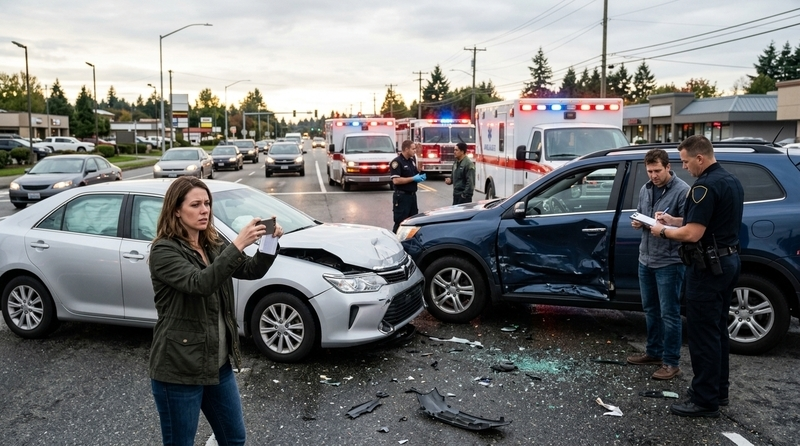
After a serious car accident, many people assume that speaking openly with an insurance adjuster will help move their claim along more quickly. However, statements made during these conversations can sometimes be interpreted in ways that reduce or challenge a claim’s value. Even innocent comments can be taken out of context and used to question the severity of injuries or assign blame. For this reason, many accident victims choose to speak with a car accident lawyer before discussing details of the accident with insurance representatives.
The Role of an Insurance Adjuster
It’s the job of insurance adjusters to look into cases and gather information about accidents. Part of their job is to review the proof, talk to the drivers, assess the damage, and determine how much the insurance company might pay. Adjusters can seem nice and helpful, but they really work for an insurance company. The amount of pay they get can be directly affected by how they rate things.
A lot of adjusters are good at talking to people and getting information from casual talks. They often ask questions that seem harmless or routine. People who have been in accidents may feel comfortable giving information without understanding how it might affect others. Most of the time, this happens in the stressed days right after a crash.
Adjusters deal with claims all the time, so they know how certain comments can change how a case turns out. A single comment may be used alongside other evidence to support a particular interpretation of events. This is why it’s important to be careful when talking about an accident. Thoughtful communication can help prevent misunderstandings.
How Innocent Statements Can Be Misinterpreted
One of the most common mistakes accident victims make is minimizing their injuries. After a crash, people often respond to questions by saying they are “fine” or “doing okay” simply to be polite. However, symptoms of certain injuries may not fully appear for days. Those early statements may later be cited as evidence that the injuries were not serious.
Comments about the accident itself can also create problems. A person may speculate about what happened without having all the facts. Statements such as “I never saw the other car” or “I might have been distracted for a second” can be interpreted as admissions of fault. Even when made casually, these remarks may become part of the claim file.
Memory can also be unreliable immediately after a traumatic event. Accident victims may unintentionally provide inaccurate details because they are confused, injured, or overwhelmed. If later evidence contradicts those statements, insurance companies may question credibility. This can complicate the claims process and create unnecessary challenges.
Recorded Statements Present Additional Risks
Insurance companies sometimes request recorded statements shortly after an accident. These recordings create a permanent record of everything the claimant says during the conversation. While the request may seem routine, accident victims should understand that the information may be reviewed carefully later. Every answer has the potential to affect the claim.
During recorded interviews, adjusters may ask detailed questions about injuries, medical treatment, and the circumstances of the crash. Individuals who have not yet received a complete medical evaluation may unknowingly provide incomplete information. As symptoms develop, their condition may differ significantly from what was initially reported. This can create inconsistencies that insurers may highlight.
Pressure to answer questions quickly can make these situations even more difficult. Many people want to cooperate and move the process forward. However, taking time to understand the purpose of a recorded statement is often beneficial. Careful consideration can help prevent accidental misstatements.
Social Media Can Become Part of the Investigation
Insurance companies may review publicly available social media content while evaluating a claim. Photos, videos, comments, and status updates can sometimes be used to challenge injury claims. Even content that appears unrelated to the accident may be scrutinized. A single post can create a misleading impression when viewed without context.
For example, a person recovering from an injury may share a smiling photo from a family gathering. An insurance company could argue that the image suggests the individual is not experiencing significant pain or limitations. The reality may be very different, but the image alone may not tell the full story. Context is often lost when isolated pieces of information are examined.
Accident victims should be mindful of what they share online during the claims process. Privacy settings may provide some protection, but they do not guarantee complete confidentiality. Exercising caution can help prevent unnecessary complications. Limiting public discussion of the accident is generally a prudent approach.
Why Consistent Documentation Matters
One of the best ways to back up an accident claim is with accurate paperwork. Photos, medical records, repair estimates, and comments from witnesses all help paint a clear picture of what happened. Most of the time, these records are more important than mere talks or memories. The strength of a claim can be increased by keeping detailed records.
It is very important to get medical help right away. Medical exams keep records showing how injuries relate to the event. Consistent treatment also demonstrates that injuries are being taken seriously. If care is delayed, insurance companies may question the link between the accident and the injuries.
It can also be helpful to keep notes about your symptoms and how your healing is going. These records give us more information about how accidents affect our daily lives. If questions come up later, having detailed information can help settle them. Having good paperwork can often make the claims process less uncertain.
Protecting Yourself During Insurance Communications
People who have been in accidents should be careful and thoughtful when talking to insurance agents. It’s important to give correct information, but when answering questions, there’s no need to guess or assume. Sticking to what is already known can help keep things clear. If information is unavailable, it is often better to say so than to make assumptions.
Also, keep in mind that the extent of damage might not be fully understood right away after an accident. It usually takes a while for medical exams, car checks, and investigations to be finished. Hasty decision-making can lead to unnecessary risks. During the claims process, it’s often best to be patient.
When injuries are serious, or liability is disputed, many individuals decide to speak with a car accident lawyer before making significant statements regarding their claim. People who have been in accidents can better understand their rights and responsibilities with the help of a lawyer. Understanding the process well can help you talk to providers more effectively and with less stress.
Conclusion
Insurance adjusters play an important role in the claims process, but accident victims should understand that their statements can influence how their claims are evaluated. Innocent remarks, recorded interviews, and social media activity may all be interpreted in ways that affect compensation. By communicating carefully, documenting injuries thoroughly, and understanding the claims process, individuals can better protect their interests after a serious car accident.
