
Long-Term Car Maintenance Habits That Extend Vehicle Lifespan
Want your car to last well beyond the average lifespan?
The reality is that most drivers replace their vehicle WAY too early. And it’s not because it breaks down… They just never developed good long-term maintenance habits.
The good news?
The average age of cars in the U.S. has reached 12.8 years in 2025.
According to AAA, there are simple ways to keep your car running strong beyond 200,000 miles. You’ll not only keep your car on the road longer, but also save yourself some serious cash along the way.
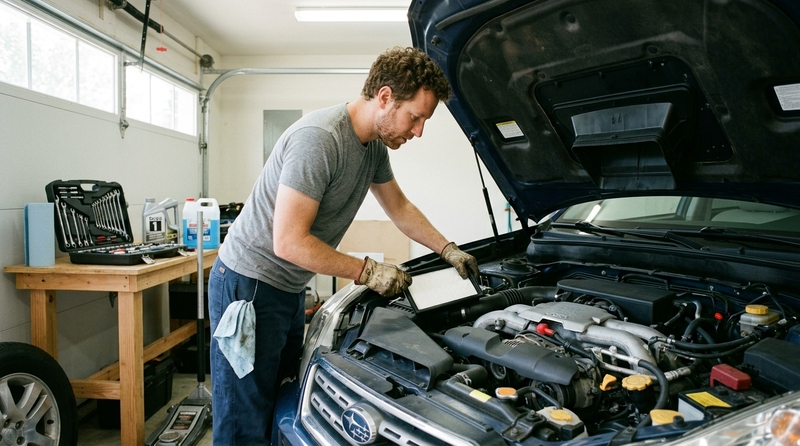
Here is exactly how to do it…
Here’s what’s inside:
- Why Long-Term Maintenance Matters
- Signs You Need Windshield Replacement
- Fluid Checks That Keep Engines Alive
- Tire Habits That Save Thousands
- Brake and Battery Basics
- Small Habits That Prevent Big Repairs
Why Long-Term Maintenance Matters
Cars are lasting longer than ever before.
The average age of passenger cars on the road is now 14.5 years, indicating that drivers are keeping them longer than in years past. However, this is only achievable with regular maintenance. Neglect the little things and repair costs will pile up quickly.
Maintenance shouldn’t be about doing more things, it should be doing the right things repeatedly. Which means:
- Sticking to service intervals
- Catching small problems before they grow
- Protecting the parts that keep you safe on the road
All drivers who enjoy 15+ years out of their cars have one thing in common. They make maintenance a habit. And habits don’t have to cost a lot. In fact most cost very little time or money.
Signs You Need Windshield Replacement
Your windshield is one of the most overlooked safety features on your vehicle…
However, it’s also one of the most crucial ones. Your windshield accounts for almost 50 percent of your cabin’s structural integrity, according to the Auto Glass Safety Council. So a cracked windshield compromises your whole vehicle in the event of a rollover or severe collision.
How do you know when a repair just won’t work and it’s time for a professional windshield replacement? Watch for these tell-tale signs:
- Cracks longer than 3 inches — these spread quickly with heat or bumps
- Chips in the driver’s line of sight — they distort your vision
- Damage that reaches the edge of the glass — weakens the frame
- Deep cracks that catch your fingernail — resin won’t hold them
- Pitting or hazing — from years of sand and road debris
Research indicates a 30 percent increase in crash risk associated with reduced windshield visibility. Don’t wait any longer. If your vehicle is exhibiting any of these symptoms, get the glass fixed NOW before a minor issue becomes a major problem.
Fluid Checks That Keep Engines Alive
Fluids are the lifeblood of your vehicle…
Oil is all most drivers ever think about. Truth is your vehicle relies on many fluids to operate properly. Neglect one of them and you are going to be in for some costly repairs.
Here are the fluids you should be checking regularly:
- Engine oil — change every 5,000 to 7,500 miles
- Coolant — flush every 30,000 miles
- Transmission fluid — check every 30,000 miles
- Brake fluid — inspect once a year
- Power steering fluid — top up when needed
Make it a habit to check your fluids once a month. Spend 5 minutes and you can avoid thousands in repair. Engine failure or a locked up transmission spells doom for most vehicles — and it’s 100% preventable with good habits.
Tire Habits That Save Thousands
Tires are one of those things people ignore until it’s too late.
Did you know that besides costing you fuel money: worn tires and underinflated tires also cause wear and tear on your suspension, brakes, and alignment. That’s three ways they’re stealing money from you.
To keep your tires (and your car) in top shape:
- Check tire pressure monthly — use a proper gauge, not the guess method
- Rotate tires every 5,000 to 7,500 miles — promotes even wear
- Check tread depth — use the penny test to see if they’re worn
- Get an alignment yearly — prevents pulling and uneven wear
- Replace tires in sets — mismatched tires wreck your handling
With proper care, tires can last 60,000 miles or more. Only if you care enough to take care of them though.
Brake and Battery Basics
Brakes and batteries are two systems you never want to fail.
Your brakes squeal, grind or feel spongy…Take care of them ASAP. Delaying can turn that inexpensive pad job into a costly rotor replacement. Keeping your brakes healthy is not negotiable if you plan on driving safely.
The same applies to your battery. Typical car batteries last 3-5 years. Slow cranking, dim headlights and corrosion around terminals means buying a new battery. Cleaning terminals 2x/year takes 2 minutes and will add life to your battery.
Bonus tip: Buy a trickle charger if you know your vehicle will be sitting for weeks/months at a time. They keep the battery charged without having to start your vehicle every few days.
Small Habits That Prevent Big Repairs
The last piece of the puzzle is the small stuff…
The little things you do that most drivers don’t think about — but that add up to big benefits over time. Wash your car regularly to keep the paint intact and protect the undercarriage from rust. Park in the shade or cover up to avoid sun damage to the interior. Stay on top of scheduled services. Don’t neglect inspections.
And most importantly: listen to your car.
Odd sounds, weird smells, or new warning lights are your car communicating with you. Drivers who listen to these clues early are the ones who make it past 200,000 miles trouble free. Drivers who don’t listen are the ones broken down on the side of the road.
Final Thoughts
Long-term car maintenance is not complicated.
It’s about building small habits and sticking to them. To quickly recap:
- Check your fluids every month
- Look after your tires and brakes
- Watch for windshield damage and cracks
- Take care of your battery and electrical system
- Fix small problems before they turn into big ones
Do this regularly and you will enjoy more years, more miles, and more value from your car. It’s the simplest way to save money and maintain your vehicle like new — for years to come.
