
Honda Accord Years to Avoid: Key Models with Costly Issues to Skip
Over the years, people have recognized the Honda Accord as a reliable mid-size sedan. With so many pleased owners over the past four decades, many think of a Honda as a trustworthy option in the car market. Even with models that rank highest, there are several Honda Accord years to avoid.
Here, we’ll point out the Accord years to avoid, the main challenges found in those models, and provide advice for wiser buying decisions.
Which Honda Accords You Should Not Buy?
Here’s what you need to know quickly as an overview of avoiding Honda Accord years:
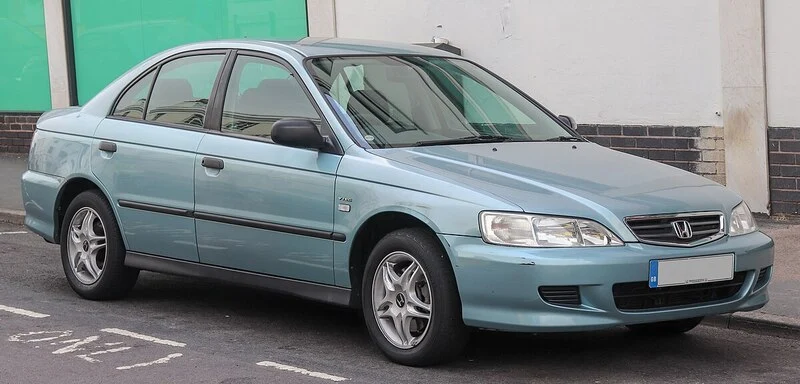
- The years from 1998 to 2005
- Between the years 2008 and 2010
- Over the years, 2013 and 2014
Year after year, these vehicles had transmission problems, burned too much oil, and electrical malfunctions.
Hard Times in the Sixth Generation (1998 – 2002)
The 2008 Accord was the year when Honda’s usually dependable models had some problems. People who bought the 1998 – 2002 models often noticed their vehicles’ transmissions slipping, the engine stalling, and airbag issues. The problems were serious, and most owners needed to pay for expensive repairs early in their ownership period.
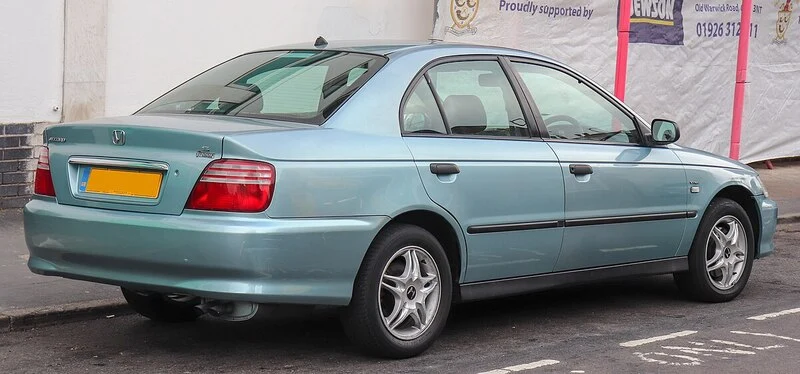
By then, the many complaints led to the 2002 Accord being listed on worst model-year lists. Even though a lawsuit granted extended protection for earlier models, the issue left 2002 owners stranded.
Adverse experiences persisted in the early Seventh-Gen models (2003 – 2005)
Instead of improving how power was transmitted, the 2003/2004 models were even worse. Among all the complaints received in 2003, over 2,000 dealt with transmission problems and backlight in the stereo.
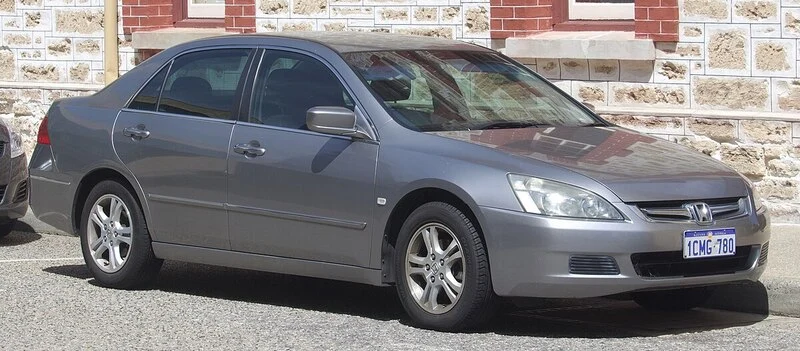
Despite the improvements seen in 2005, there were still some problems during the Honda Accord years to avoid. Several owners were still grousing about doors not unlocking on power and gulping excessive oil.
Difficult Problems Arise in the Eighth Generation (2008 – 2010)
If you’re curious about buying an Accord from 2008, refrain from doing so. Many people believe it was the worst year the Accord has ever been manufactured. Some of the biggest issues found at the companies were:
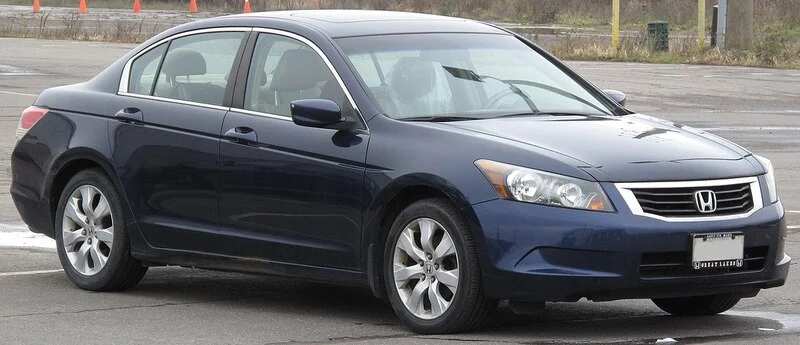
- The brakes aren’t lasting as long as they should be
- Consuming a lot of oil
- Airbags that go off when not needed, and also those that fail to go off when required
During 2009 and 2010, some electrical accessories quit, batteries drained unusually fast, and airbag safety became a real concern.
Problems with Ninth-Generation Electrical Systems (2013 – 2014)
When things improved, the ninth-gen Accords for 2013 and 2014 came with several new problems. The most common issues are power steering and electrical faults that could cause a car to catch fire or not start.
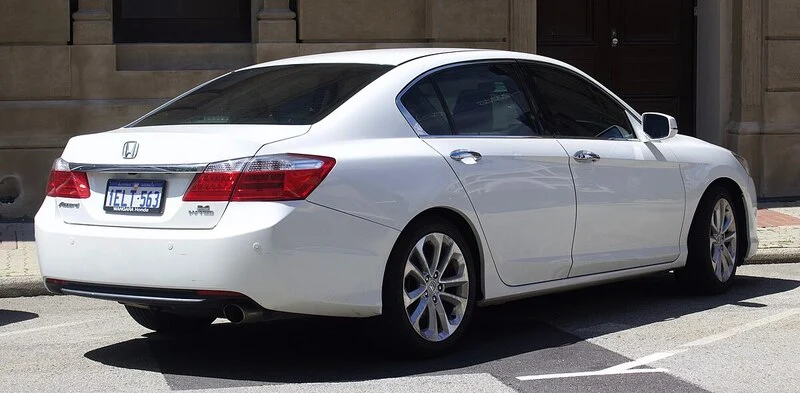
Underpowered batteries prevented many V6 trim owners from starting their cars. Though there were some fixes, a lot of issues still appeared after the warranty time had run out.
What Placed Honda Accord Years to Avoid on the List
Here is a closer look at why these Honda Accord years are not good to be considered:
1998 – 2002: Problems with Transmissions and More
While the sixth-generation Accord (1998 – 2002) is old and possibly safe-feeling, it’s one of the most beset by problems in the entire range. These were years defined by:
- Problems with transmission: More common than expected before a car reaches 90,000 miles
- Many 1999 and 2000 models had issues with stalled engines
- Airbags may fail to deploy at the proper time or refuse to deploy at all
Furthermore, some owners found that Honda dealerships gave no meaningful support over time, which resulted in them paying for repair costs that were, unfortunately, not covered by Honda’s warranty.
During 2003 – 2005, issues persisted within the first Seventh Gen
Despite Honda’s efforts to improve the seventh generation, buyers confronted the same problems. The 2003 model received more than 2,000 complaints to the NHTSA, making it a new record. Many of the comments were about the following complaints:
- Having trouble with an automatic transmission
- Rapidly slowing things down or not moving into the correct gear
- The symbols for stereo and dashboard lights.
- Wear on the brakes is happening before the brakes should.
Things seemed a little better in 2005, though consumers still faced issues with door locks and engine noise too often to make it a safe choice that year.
In this period, drivers experienced brakes wearing down, more oil being burned than usual, and problems inside the car.
2008 – 2010: Brake Wear, Oil Burning & Cabin Woes
When the eighth generation debuted in 2008, the design and fuel efficiency improved, but the engines suffered from problems. The issues reported most frequently from this time were:
- Suddenly requiring brake pad replacement in the first 12,000 miles
- If a 4-cylinder or V6 engine uses more oil, it’s a serious indication of engine trouble
- The covering on the exterior of the house is beginning to wear away.
- AC problems
- In cases where no collision happens, airbags are meant to go off.
Similar to earlier years, the 2009 and 2010 models took the same road. People started mentioning that the cabin was poor, the seats lacked sufficient leather and the Bluetooth wasn’t working properly.
2013 – 2014: Problems with exploding batteries
In terms of paper specifications, the first ninth-generation Accords were exciting. On the other hand, people shopping in 2013 and 2014 ran into some of these issues:
- Battery sensor errors that ignited fires
- Starter motors sometimes give out just a little after the warranty ends.
- Power steering trouble that caused dangerous driving
- Oil consumption was a problem once more, mainly in V6 vehicles.
Honda Accord Years To Avoid – Complete Overview
Here is the overview of Honda Accord years to avoid:
| Model Year | Notable Issues | NHTSA Complaints | Recalls |
| 1998 | Transmission failure, airbag issues | 1,239 | 19 |
| 1999 | Transmission slipping, check engine light | 1,154 | 18 |
| 2002 | Transmission failure, airbag defects | 1,057 | 16 |
| 2003 | Transmission problems, stereo backlight failure | 2,001 | 24 |
| 2004 | Engine issues, airbag deployment faults | 1,001 | 20+ |
| 2008 | Premature brake wear, oil consumption, and electrical faults | 1,500+ | 9 |
| 2009 | Oil burning, airbag explosions, braking system flaws | 800+ | 11 |
| 2013 | Starter failure, underpowered battery, steering issues | 1,244 | 3 |
| 2014 | Electrical fires, starter problems, and engine sensors | ~1,100 | 4 |
Is a Honda Accord Still a Reliable Car?
Regardless of the issues, the Honda Accord is still one of the most reliable sedans you ca find, and most models have delivered excellent results. Time and again, Honda is rated highly on dependability surveys, and many people drive their Accords for several hundred thousand miles with proper maintenance.
Many mechanics and car experts recommend years like 2006, 2007, 2011, 2012, and 2015 to 2020 because they have fewer problems.
What Expenses Should You Plan For Before Buying a Honda Accord?
How much you pay for a used Honda Accord depends on the model’s year and its condition. The price of a 2010 model was approximately $10,800, though the market premium could bring it up to ~$13,500. The 2015 model can be found at a price between ~$15,000 and ~$18,000, depending on what trim is chosen. 2020 vehicles are priced above $27,000.
Since earlier vehicles can cost less at the start, the risk of pricey transmission or engine fixes may defeat the savings.
Problems often seen with the Honda Accord
Even outside the avoid list, some problems have kept showing up in multiple years, such as:
- Automatic models from the early 2000s sometimes have a problem with Slipping.
- Management issues caused some cars’ engines to have their oil dry out at a faster rate
- Failure of the Starting System was a common problem in those years, often just when the car’s warranty ran out
- There were many recalls over several years because of Takata’s faulty airbag systems
- Several 2008 and 2009 models saw their brake pads wear down quickly.
Is Buying a Honda Accord Still a Smart Idea?
The short answer is yes, just take care with what you choose. Buying a car built after the years above will save you a lot of money in repairs and hassle. The Accord has kept up its durability well, so it’s good as long as you don’t get one in an off year.
Its popularity is clear from the price tags, with the 2010 Accord often sold for around $10,800 and the 2020 model usually nearing $27,000. By doing your research well, you can still pick a model that keeps its value and works reliably over the years.
Bottom Line
The Honda Accord had many successful aspects, yet no brand is without issues. Most Hondas you find will be dependable, though some Accord versions have had severe reliability issues. Avoiding the unlucky years in a car’s life can keep your car reliable and let you travel with less worry.
To make a sensible decision, choose vehicles after 2015 or in 2006, 2007, 2011, or 2012. Moreover, you should always have an inspection done before buying to identify any hidden issues.
FAQs
Here are some FAQs about Honda Accord years to avoid:
The Pontiac Montana was plagued with frequent brake faults, burning through too much oil, and airbag flaws, resulting in hundreds of complaints and several recalls.
Yes. Models released from 2006, 2007, 2011, 2012, and after 2015 typically experience very few major issues.
No. The 1998–2004 models have a well-known problem with their transmissions. For these years, it’s important to inspect the service history.
