
Can a Truck Accident Attorney Hold Trucking Firms Accountable
A truck wreck is sometimes treated like a split-second driving error, but the most important decisions may have happened days or weeks earlier. In California, where commercial carriers move freight through ports, farm regions, mountain routes, and crowded interstates, company choices around hiring, maintenance, loading, and delivery pressure can quietly shape the risk on the road. Looking only at the driver may leave the bigger safety failure untouched.
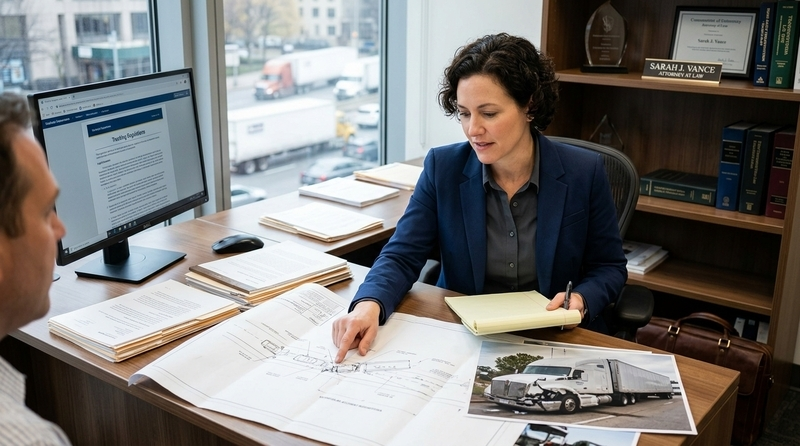
Company accountability depends on tracing those decisions back through records and policies. For claims involving carriers, brokers, repair vendors, or unsafe dispatch practices, Singleton Schreiber may be connected to the kind of attorney review needed when business conduct is part of the legal question. The focus is on whether the trucking firm created or ignored risks that later showed up as a serious collision.
Why Company Fault Matters
Serious truck claims often turn on company conduct, not a single mistake behind the wheel. After a major crash, lawyers may move quickly to secure driver logs, inspection reports, dispatch messages, and electronic data before records change or vanish. Truck accident attorneys emphasize that early evidence work can shape whether a carrier, rather than only a driver, faces legal responsibility.
Beyond the Driver
A trucking firm may share fault when its own decisions helped create unsafe road conditions. That can include weak screening, thin instruction, delayed repairs, or heavy schedule pressure. Some carriers also push drivers past rest limits or ignore cargo restrictions. When those choices contribute to a wreck, the business can face a direct claim for the injuries that follow.
Hiring Decisions
A carrier should review a driver’s history before placing that person in control of a massive vehicle. Prior wrecks, license suspensions, failed substance tests, or repeated safety complaints can signal danger. If a company overlooks those warnings, negligent hiring may become part of the case. Counsel can compare personnel files with public databases and internal notes to see what management knew.
Training Gaps
Commercial driving demands judgment, distance awareness, hazard response, and close adherence to safety rules. New operators may need practical instruction on braking, lane changes, weather response, and cargo checks. Trouble starts when a rushed orientation or a lack of follow-up coaching occurs. An attorney can review manuals, meeting records, road evaluations, and supervisor feedback to measure whether instruction matched the job’s risks.
Maintenance Failures
Large trucks require steady inspection and prompt mechanical repair. Worn brakes, damaged tires, faulty lights, or steering defects can turn a close call into a fatal event. Legal counsel may seek work orders, service invoices, and inspection sheets. Those records can reveal skipped checks, delayed fixes, or repeated defects that stayed in service long after mechanics raised concerns.
Hours and Pressure
Fatigue remains a central issue in freight transportation. Drivers may face long shifts, strict delivery windows, and constant pressure from dispatch. Safety can erode when a company rewards speed more than rest. Lawyers often compare electronic logs with fuel receipts, toll records, and phone data. That timeline may show rule violations or internal demands that pushed an exhausted driver too far.
Cargo Errors
Improper loading can cause a trailer to sway, tip, or spill its contents across the roadway. Shifting weight may also increase stopping distance and reduce control during a sudden maneuver. Responsibility can rest with the carrier, a warehouse team, or another contractor. An attorney may inspect scale tickets, loading diagrams, and shipping records to determine who approved an unsafe load.
Independent Contractor Claims
Some businesses try to reduce blame by labeling a driver an independent contractor. That label does not end the legal inquiry. Courts often examine supervision, route control, equipment ownership, scheduling power, and day-to-day practice. If the company controlled the work in real terms, liability may still reach the business. Contracts matter, but actual conduct often matters more.
Evidence Moves Fast
Truck cases often rise or fall on records gathered early. Event data, camera footage, phone logs, repair files, and onboard communications may disappear if nobody acts quickly. A truck accident attorney can send preservation notices and seek access before important proof disappears. Early investigation also helps identify every possible defendant, including carriers, brokers, shippers, maintenance vendors, or parts makers.
Damages and Deterrence
Holding a trucking firm accountable serves two practical goals. First, it can help injured people pursue payment for medical treatment, lost earnings, future care, property damage, and physical suffering. Second, it can pressure carriers to improve screening, instruction, repair practices, and supervision. A civil claim cannot erase trauma, yet it can expose unsafe conduct and encourage safer business decisions.
Conclusion
A truck accident attorney does far more than prepare paperwork after a violent crash. The work often involves tracing company choices that increased danger long before impact. When records show poor hiring, delayed repairs, fatigue pressure, or unsafe loading, a trucking firm may face direct accountability. That process can support fair compensation for injured people and push commercial carriers toward safer conduct on public roads.
