
Filing an Accident Report After a Car Crash
The National Safety Council reports that police respond to a motor vehicle crash every 10 seconds in the United States, yet many drivers remain unprepared for the critical documentation process that follows. As courts increasingly rely on police reports to establish fault and insurance companies scrutinize every detail for claim disputes, the quality and accuracy of initial accident documentation has never carried more weight. What happens in those crucial first hours after a crash — specifically how you handle the police report filing process — can determine whether you’re protected or vulnerable when legal and financial consequences unfold.
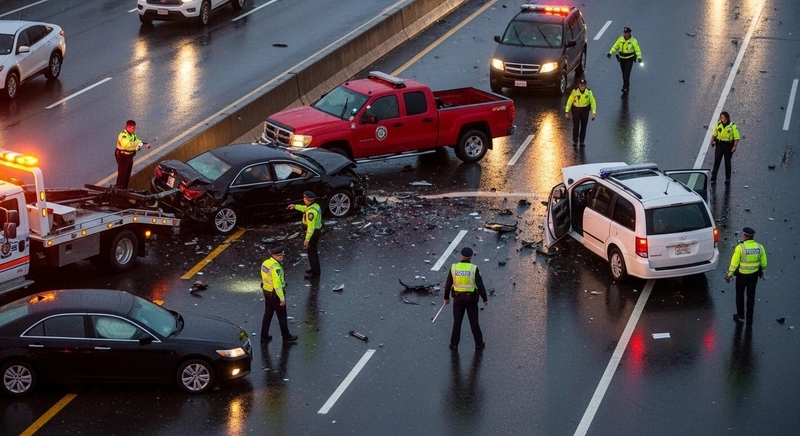
For drivers navigating this high-stakes moment, understanding the intricacies of accident report filing goes far beyond simply “calling the police.” The difference between a thorough, legally sound report and one filled with gaps or inaccuracies can mean thousands of dollars in insurance payouts and months of legal complications down the road.
Why Accurate Accident Reports Matter After a Crash
Police accident reports serve as the foundational document for virtually every legal and insurance process that follows a collision. Unlike witness statements or insurance adjusters’ notes, these reports carry the weight of official documentation in court proceedings, creating a permanent record that all parties — attorneys, insurance companies, and judges — reference when determining fault and damages.
The ripple effects of report accuracy extend far beyond the immediate aftermath. Insurance companies use police reports as their primary tool for liability determination, often making settlement offers within days of receiving the documentation. When reports contain incomplete vehicle descriptions, missing witness information, or vague accident narratives, insurers typically interpret these gaps conservatively — meaning they’re more likely to dispute claims or reduce payouts. A comprehensive report that clearly documents road conditions, traffic violations, and witness accounts provides the evidence needed to support fair compensation.
The legal implications grow even more significant when serious injuries are involved. Personal injury attorneys rely heavily on police reports to build their cases, particularly for establishing the sequence of events and identifying all potential liable parties. In complex crashes involving multiple vehicles or commercial trucks, the initial police report often determines which parties get investigated further and which insurance policies come into play. When these cases require truck accident attorney in Atlanta representation or similar specialized legal support, the quality of that initial documentation becomes the foundation for everything that follows.
Modern courts also use accident report data for broader safety analysis, feeding information into databases that influence traffic engineering decisions and enforcement priorities. When drivers take the time to ensure accurate, detailed reporting, they’re contributing to data that helps prevent future crashes in their communities. The few extra minutes spent providing thorough information to responding officers creates documentation that protects individual interests while supporting systematic safety improvements.
What Important Elements Should an Accident Report Include
Police accident reports require specific categories of information, each serving distinct legal and investigative purposes. The most critical elements include precise location details, complete vehicle and driver information, comprehensive damage assessments, and factual narratives of how the crash occurred. However, the quality of these elements — not just their presence — determines the report’s effectiveness in protecting your interests.
Location documentation must go beyond simple street names. Effective reports include specific reference points like nearby businesses, mile markers, or intersection characteristics that help establish exact positioning. This precision matters because liability often hinges on determining which vehicle was where when the collision began. Officers appreciate drivers who can provide landmark details, traffic signal information, and road condition observations that help create a complete picture of the scene.
How to Document Facts and Witness Roles Correctly
Witness information represents one of the most valuable yet frequently mishandled aspects of accident reporting. Rather than simply collecting names and phone numbers, effective documentation captures what each witness actually observed and from what vantage point. The most useful witness statements specify timing — whether someone saw the moments before impact, the collision itself, or just the aftermath.
When speaking with police, help officers understand the sequence of witness observations. Point out which witnesses were positioned to see traffic signals, lane changes, or speed variations leading up to the crash. This context helps officers ask more targeted questions and document witness accounts that will actually strengthen the record. Remember that witness credibility varies significantly — someone who was texting while walking has less valuable testimony than a passenger in a stopped vehicle with a clear sightline.
Vehicle damage documentation requires attention to impact patterns, not just severity. Help officers understand how the damage aligns with your account of the collision. If you were rear-ended, point out damage to your rear bumper and any corresponding front-end damage to the other vehicle. These physical details often provide more reliable evidence than conflicting driver statements about who did what.
Creating Clear and Concise Accident Narratives
The narrative portion of police reports frequently determines how insurance companies and legal professionals interpret the entire incident. Clear narratives focus on observable facts rather than assumptions about other drivers’ intentions or capabilities. Instead of saying “the other driver wasn’t paying attention,” describe what you observed: “the other vehicle didn’t brake before impact” or “the other driver appeared to be looking down immediately before the collision.”
Effective accident narratives follow chronological order, starting with traffic conditions and your actions leading up to the crash. Describe your speed, lane position, and any signals or lane changes you made. Then detail what you observed about other vehicles’ movements and the sequence of the collision itself. This approach helps officers construct timelines that align with physical evidence and witness accounts.
Avoid emotional language or speculation about fault in your statement. Focus on documenting what happened rather than why it happened. Officers are trained to analyze evidence and determine contributing factors — your job is providing accurate information about your observations and actions, not interpreting the legal implications.
Common Mistakes and Legal Risks When Filing Your Report
The most costly mistake in accident reporting involves admitting fault prematurely or making statements that can be misinterpreted as fault admission. Many drivers, particularly those from backgrounds that emphasize politeness, reflexively apologize or accept responsibility even when the crash wasn’t their fault. These statements become part of the official record and can override physical evidence that might otherwise support your case.
Timing errors create equally serious problems. Some drivers assume that minor crashes don’t require police reports, only to discover later that the other party suffered injuries that didn’t manifest immediately. Most states require police reports for any crash involving injury, death, or property damage above specific thresholds — often as low as $1,000. Failing to file when required can result in legal penalties and complicate insurance claims significantly.
Documentation gaps represent another common pitfall. Drivers who are shaken up often provide incomplete information about road conditions, weather, or traffic signals. These details might seem minor at the scene but become crucial evidence when disputes arise. Insurance companies and attorneys look for any missing information to challenge claims or reduce settlements. Taking a moment to ensure officers have complete information about lighting conditions, road surface, and traffic control devices prevents these vulnerabilities.
The failure to obtain report numbers and understand follow-up procedures leaves many drivers unprepared for the insurance and legal processes ahead. Most police departments don’t provide final reports immediately — they require processing time to incorporate witness statements and complete investigations. Drivers who don’t understand this timeline often become frustrated and may miss important deadlines for insurance claims or legal actions.
What Procedures and Timelines Govern Police Accident Report Filing
Police accident report filing follows structured protocols that vary significantly based on crash severity and local jurisdiction requirements. Understanding these distinctions helps drivers navigate the process more effectively and avoid procedural mistakes that could compromise their protection.
How Often and When to Submit Reports
Most states distinguish between crashes that require immediate police response and those where drivers can file reports later. Generally, any collision involving injuries, fatalities, hit-and-run scenarios, or property damage exceeding state-specific thresholds mandates immediate police notification. These thresholds typically range from $1,000 to $4,000 in property damage, though some states require reports for any crash involving injury regardless of property damage levels.
For qualifying crashes, drivers typically have 24 to 72 hours to file reports if police don’t respond to the scene. This timeline becomes critical for minor crashes in parking lots or low-traffic areas where officers may not respond immediately. However, waiting to file carries risks — physical evidence disappears, witness memories fade, and the other party may provide conflicting accounts.
Commercial vehicle crashes, including those involving trucks or vehicles carrying hazardous materials, often trigger additional reporting requirements with shorter deadlines. These incidents may require notification to state transportation departments, federal motor carrier safety administrations, or environmental agencies depending on the circumstances.
Guidelines for Submitting Reports to Authorities
Report submission procedures vary dramatically between jurisdictions, with some police departments accepting only in-person filings while others offer online portals or phone-based reporting systems. Many departments now provide mobile accident reporting apps that guide drivers through required information fields and submit reports electronically.
When filing reports after the fact, prepare comprehensive documentation before beginning the process. Gather insurance information for all involved parties, photograph vehicle damage and scene conditions, and compile witness contact details. Most departments require specific forms that include diagram sections for illustrating crash dynamics — practice sketching the accident scene to ensure clarity.
Follow up procedures often catch drivers off guard. After filing, most departments provide case numbers and estimated completion dates for final reports. These reports typically take 7-14 business days to process, though complex crashes may require longer investigation periods. Understanding this timeline helps coordinate with insurance companies and legal counsel who may need official documentation to proceed with claims.
How Technology and Evidence Can Improve Your Accident Report
Modern technology offers powerful tools for strengthening accident documentation beyond traditional police report procedures. Smartphone cameras, GPS data, and specialized apps can capture evidence that significantly enhances the official record and protects your interests during insurance and legal proceedings.
Photographic evidence provides the most immediate benefit, but effective documentation requires more than random snapshots. Capture wide-angle shots showing vehicle positions relative to traffic lanes, road signs, and nearby landmarks. Follow with close-up images of damage patterns, license plates, and any skid marks or debris. Take photos from multiple angles to document sight lines and potential vision obstructions that might have contributed to the crash.
Digital accident report apps streamline the information-gathering process while ensuring you don’t miss critical details. These applications prompt users through comprehensive checklists covering vehicle information, insurance details, and witness accounts. Some apps integrate with GPS systems to automatically capture precise location coordinates and can share information directly with insurance companies and law enforcement agencies.
Vehicle telematics and dashcam footage represent emerging evidence sources that can dramatically strengthen accident reports. Many modern vehicles record speed, braking patterns, and impact forces automatically. When available, this data provides objective evidence that supplements driver statements and witness accounts. Similarly, dashcam footage offers real-time documentation of traffic conditions and driver behaviors leading up to crashes.
The key to leveraging technology effectively lies in understanding how it complements rather than replaces traditional reporting procedures. Digital evidence enhances police reports but doesn’t substitute for thorough officer documentation and witness statements. The most protected drivers use technology to gather comprehensive evidence while ensuring officers have all the information needed to create detailed, accurate official reports.
As accident investigation techniques continue advancing and insurance companies increasingly rely on data analytics for claim decisions, drivers who understand both traditional reporting requirements and modern evidence-gathering tools position themselves for the most favorable outcomes when crashes occur.
