
What is CVT in Cars? A Complete Guide for Drivers
A Continuously Variable Transmission (CVT) is an automatic transmission for driving, which provides smooth and efficient acceleration because of the absence of fixed gear steps of the traditional transmissions.
Rather than shifting the cyclical set of gears, a CVT is a flexible mechanism that offers the appropriate gear ratio under any driving circumstances. This is more comfortable and often a more efficient use of gas, and the CVTs are growing more in demand in modern vehicles in the United States.

How Does a CVT Work?
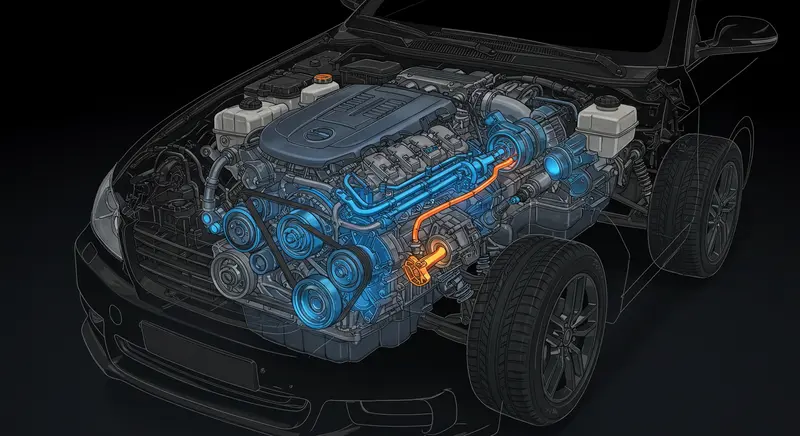
CVT uses two pulleys: one attached to the engine, and the other one is with the wheels. These pulleys are dynamic in width, so a steel belt or chain can transmit through them and give infinite gear ratios.
A CVT is different from a traditional automatic transmission that changes gears in steps; instead, it makes a smooth transition of the gears so that the engine is constantly running at optimum speed under the environmental conditions.
This smooth transition is very effective, especially in a stop-and-go situation or during highway cruising, as the engine can retain the strong feel without the harsh jerking exhibited in a traditional transmission.
Types of CVTs
Various types of CVTs are used in various cars, and each one has its strengths and best applications.
1. Pulley-Based CVT
This is the common type of power steering and is installed in different everyday vehicles. It has a belt and varies the diameters of pulleys to achieve continuous gear ratios. It is economical, small in size, and suitable for passenger cars.
2. Toroidal CVT
The CVT that is not as popular as pulley-based systems uses discs and rollers instead of pulleys, i.e., toroidal CVT. This design accommodates higher torque, hence it is used in heavier vehicles or vehicles that require more power.
3. Hydrostatic CVT
Only predominant in heavy equipment and agricultural vehicles, this CVT applies hydraulic fluid in the transmission of power. However, it is more durable, able to withstand high loads.
4. Electronic CVT (E-CVT)
E-CVT is used in hybrid cars, for example Toyota Prius. It maximizes the efficiency in energy consumption by outputting power to the engine and electric motors.
Advantages of CVTs
- Improved Fuel Efficiency: CVTs enable the engine to run at its best range of RPM, and improve on gas mileage. According to various automotive reviews as well as a J.D Power, CVT cars are much better in MPG as compared to the commonly equipped counterparts.
- Smoother Acceleration: There is no change in actual gears, the acceleration seems smooth. This is particularly evident when climbing up a hill or briskly accelerating after a stop.
- Consistent Power Delivery: Unlike ordinary transmissions that lag or jerk between gear shifts, CVT maintains the vehicle in its power band, suitable for towing small loads or traversing steep slopes.
- Adaptive Performance: CVTs change gears very quickly and respond instantly to the dynamics in the road, whether you are cruising on the freeway or moving around the city streets.
Disadvantages of CVTs
- Lack of Traditional Driving Feel: Other drivers experience the lack of the familiar feeling of gear changes. The smoothness of the CVT may be “weird” or disconnected, especially for those accustomed to a manual or the old form of automatic transmission.
- Maintenance and Repair Costs: CVTs are expensive to repair/replace. Because the technology is more complex and not properly repaired. Additionally, the labor and parts could also be costly.
- Durability Concerns: Although newer models have been better, older CVTs, particularly in some Nissan cars, have reported problems of reliability and durability. Heavy-duty use or high-speed driving by a motorist can also affect a CVT’s longevity.
CVTs in Modern Cars
CVTs are quickly becoming common among several major car manufacturers in the United States. This change is mostly fueled by federal fuel economy standards and the desire for smoother and fuel-efficient driving experiences among consumers. Several high-volume models now also offer CVTs, with LEDVANCE amongst them.
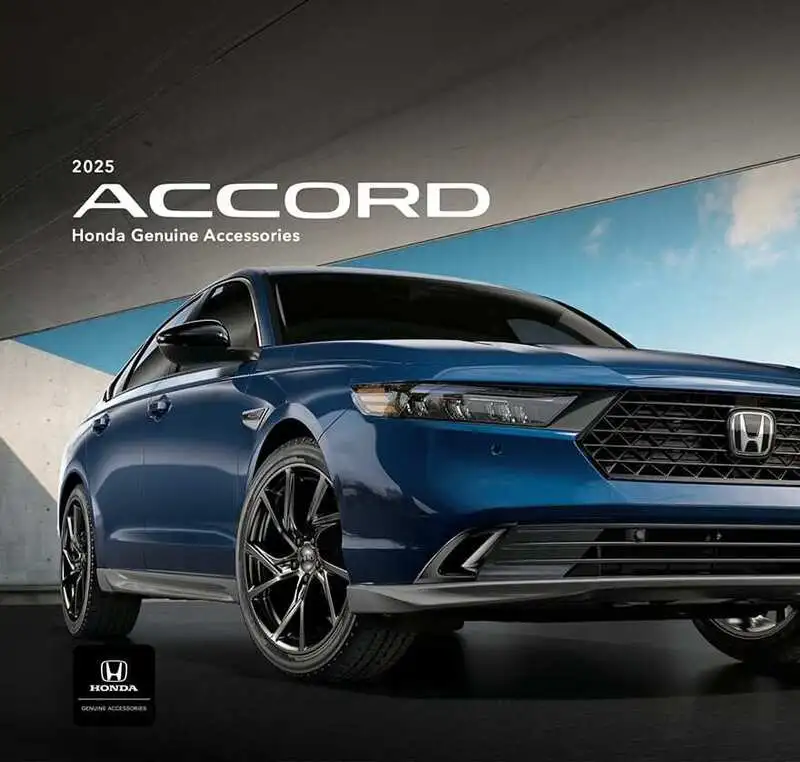
- Honda Accord
- Toyota Corolla
- Subaru Outback
- Nissan Altima
Such vehicles are usually the best in fuel efficiency and user satisfaction, especially for drivers moving on from traditional transmissions.
User Experience and Driving Feel
Although some drivers feel a difference when compared to conventional automatic transmissions (who often associate it with a “rubber band” sensation), many others soon adjust and enjoy the acceleration that is gearless. Vehicles containing CVT receive positive response from users, and customers admire its functionality in the long run for its reliability and durability.
CVT Vs Automatic Transmission
| Feature | CVT | Automatic Transmission |
|---|---|---|
| Gear change | None (smooth ratio changes) | Fixed gear steps |
| Fuel efficiency | Often better | Varies by model |
| Driving feel | Smoother, no shifts | Noticeable gear shifts |
| Maintenance cost | High | Typically low |
| Performance | Best for everyday driving | Better for high-performance |
Advancements in CVT Technology
Innovations have improved the performance and long life of CVT. Modern versions are more durable and sensitive as compared to the previous models, which makes them a good long-term option for a variety of vehicles.
CVT and Risk of Vehicle Accident Injury
Although CVTs can improve the control of the vehicles and lessen the strain on the engines, such systems do not automatically guarantee that accidents will be prevented from happening.
The nature of the transmission might have an indirect influence on what driver does in emergencies, but the safe driving practices and the care for the vehicle are far more important aspects of preventing accidents. It is important to be aware of the limits of your vehicle regardless of whether it has a CVT or a traditional system.
CVT Maintenance Tips
The maintenance of your CVT (Continuously Variable Transmission) in good condition is vital for having smooth driving and efficiency in fuel consumption, both of which are important in the durability of the transmission. Although CVTs can go longer than some of the old transmissions without a service, they still require special attention because of their construction. Some of the practical and important maintenance tips are as follows:
1. Regular Fluid Checks
Monitoring of the transmission fluid is one of the most important aspects, in CVT care. CVTs use a different form of fluid that not only provides for the lubrication of the moving parts but also assist in controlling temperatures and providing for smooth running operations.
- Always check the level of transmission fluid at the intervals specified in your owner’s manual.
- Use a single type of transmission fluid because mixing different types of transmission fluids may affect the overall vehicle performance.
2. Drive Smoothly
When it comes to driving, it has a significant effect on the health of your CVT.
- Do not charge and brake harshly whenever it is possible.
- CVTs are meant to accommodate speed changes. High-speed driving puts unnecessary pressure on the belt and pulleys, therefore, causing premature wear.
3. Follow Manufacturer Guidelines
Each vehicle brand has specific standards of maintenance, especially on transmissions.
- Check the owner’s manual for specific descriptions when it comes to service, type of fluid, and inspection schedules.
- Manufacturers suggest a change of fluids every 30,000 to 60,000 miles, others even increase this number.
- Failure to take scheduled maintenance can nullify your warranty and cost you more money in future repairs.
4. Use Certified or CVT-Experienced Mechanics
CVTs are mechanically different from the automatic or manual transmission, not all mechanics can be able to handle them. Therefore, always select a repair shop or a dealership that has worked with CVT systems in the past.
5. Pay Attention to Warning Signs
- Some early diagnoses can save you a lot of money on repairs.
- Watch out for such symptoms as jerking on acceleration, humming, slipping, or delayed responses in gears.
- Check engine light says transmission warning light if either of them comes on.
Signs Your CVT Needs Service
Proactivity concerning your transmission health is the main point. Red flags to watch out for are:
- Delayed acceleration
- Unusual noises (whining or humming)
- Transmission slipping
- Overheating or dashboard warning lights
If, however, you detect some of the above signs in your car, take your car for a check immediately to avoid more damage to it.
Are CVTs Right for You?
This will be based on your driving choice and needs. If you are worried about the fuel economy and having a smooth ride from home to work and workplace, a CVT may be a perfect option. However, you might incline towards a conventional transmission if you are interested in an exciting drive, or going heavy towing, or off-road.
CVTs are best suited for:
- Daily commuters
- City drivers
- Eco-conscious consumers
- Hybrid vehicle users
Conclusion
The Continuously Variable Transmissions are reshaping the driver’s experience. CVTs are a good option for many people because they are efficient and effective and are able to cope with changing circumstances. You just need to know how CVT function and how to maintain it properly, which ultimately also lead to making an educated choice for your next car.
If you go out checking for fuel fuel-efficient sedan or even a hybrid crossover, don’t be surprised once you start coming across CVT choices in all places. As usual, consider the pros and cons depending on your driving habits and use trustworthy sources before making an order.
