
What Happens After a Dog Bite: Challenges Victims Often Face
A normal street in a neighborhood can shift its meaning in a second when a dog bite changes the course of someone’s day. What follows is rarely limited to the injury itself, as the effects often stretch into medical care, daily routines, and long recovery paths that people do not expect at the start.
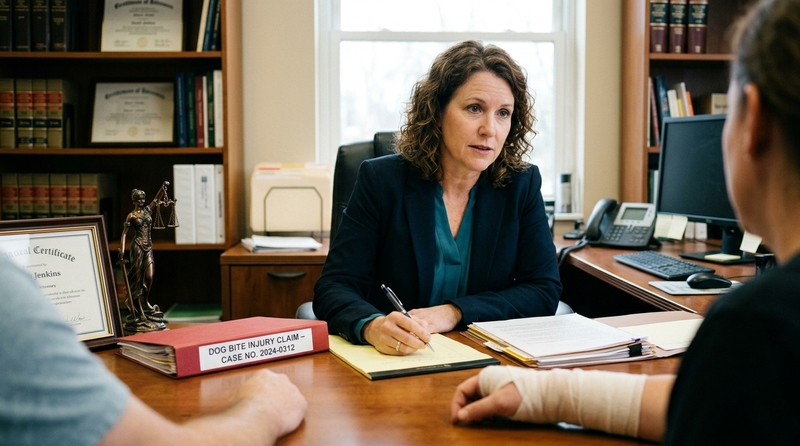
In many areas, people begin searching for answers soon after such incidents, and often a dog bite compensation attorney becomes part of that search when they try to understand what support may be available under the circumstances.
This blog looks at the challenges that usually follow a dog bite and how the impact can extend far beyond the first treatment.
Medical Attention and Early Treatment Challenges
After a dog bite, the first concern is almost always medical care. Even a small wound can require cleaning, stitches, or preventive treatment to avoid infection. Emergency rooms often become the first stop, where doctors focus on stopping bleeding, reducing infection risk, and checking the depth of the injury.
What many people do not expect is how follow-up visits become part of the process. Wound care does not always end after the first treatment, and dressing changes, antibiotics, and monitoring for infection can continue for several days or weeks.
Pain and discomfort during this stage can also affect sleep and movement, making everyday tasks harder than usual. For some individuals, the early phase becomes a reminder that recovery is not always quick or simple.
Physical Healing and Visible Effects
Once the immediate treatment is done, the healing process begins. Skin injuries may close slowly, and swelling or sensitivity can last longer than expected. In some cases, scars remain visible, which can change how a person feels about their appearance.
The physical impact of a dog bite injury often depends on the location and depth of the wound. Areas like hands, arms, and legs may take time to regain full strength or movement, especially if the bite affected deeper tissue layers.
During this stage, daily life can feel slightly restricted. Simple actions like writing, walking, or lifting objects may require extra care until the body fully recovers.
Emotional Response and Daily Disruption
A dog bite not only affects the body. It can also create emotional reactions that continue long after the physical wound begins to heal. Some people may feel nervous around dogs or avoid places where animals are present.
Sleep patterns may change due to discomfort or lingering worry about the incident. Routine activities such as going for walks or visiting certain areas can also feel different after the experience.
For some individuals, confidence in outdoor spaces may take time to return. The emotional side of recovery can move at its own pace, separate from physical healing, and it often requires patience from both the individual and their surroundings.
Recovery Process and Support Needs
Recovery from a dog bite often involves a combination of medical care and daily adjustments. In more serious cases, physical therapy may be needed to restore movement or strength in affected areas. Follow-up consultations help doctors monitor healing progress and address any complications early.
This stage also highlights the importance of understanding support options available through local systems and guidance from professionals who work with injury-related cases. In some situations, individuals may consult a dog bite compensation lawyer to understand how recovery-related costs and challenges are addressed within the legal process.
Support from family, friends, and healthcare providers plays a steady role during this time. Simple assistance with daily tasks can make recovery more manageable while the body continues to heal.
Financial and Practical Difficulties
Beyond medical care, a dog bite can also create financial strain. Emergency treatment, follow-up visits, medications, and possible therapy sessions can add up over time. Some individuals may also need time away from work, which can affect income during recovery.
Travel to medical appointments and additional care needs may further increase expenses. Even after physical healing, certain costs may continue if ongoing treatment or monitoring is required.
These practical challenges often become part of the overall recovery experience, shaping how individuals manage their daily responsibilities while healing.
Long-Term Recovery and Lifestyle Adjustments
In some cases, recovery does not end quickly. Lingering sensitivity, scar management, or reduced movement can continue to affect daily routines. People may need to adjust how they perform certain activities or use protective care for healed areas.
Lifestyle changes can also include being more cautious in environments where animals are present. While not every case leads to long-term effects, serious bites may require ongoing attention to ensure full recovery and comfort over time.
The pace of recovery varies widely, and each situation carries its own set of outcomes depending on the severity of the injury and the response to treatment.
Potential Compensation Following a Dog Bite Injury
Depending on the facts of the case, injured individuals may seek compensation for various losses associated with the incident. These may include:
- Medical expenses
- Future treatment costs
- Lost wages
- Reduced earning capacity
- Pain and suffering
- Emotional distress
- Scarring or disfigurement
- Rehabilitation expenses
The available compensation often depends on the severity of the injuries and the specific circumstances surrounding the dog bite.
Closing Reflection
A dog bite often begins as a sudden incident but unfolds into a series of challenges that extend well beyond the initial injury. Medical care, physical healing, emotional adjustment, and financial pressure all become part of the recovery journey in different ways.
For many individuals, guidance from a dog bite compensation attorney becomes one of the steps they consider while trying to understand the broader impact of their situation and the support options available to them in Pennsylvania.
What happens after a dog bite is not just about the wound itself but about how each stage of recovery shapes the days that follow and the gradual return to normal life.
