
Car Transport: How It Can Be Helpful After Vehicle Accidents
Car accidents can turn an ordinary day into a whirlwind of stress and confusion in just a split second. Suddenly, you’re left dealing with not only the emotional aftermath but also practical concerns—like what to do with your damaged vehicle. That’s where car transport services come in. Instead of grappling with how to move your car safely, these professionals take charge, ensuring a smooth transition from accident scene to repair shop while protecting both you and your vehicle. By understanding the benefits of using a car transport service after an accident, you can ease your mind and focus on what truly matters: recovering from the incident itself. Let’s dive into how these services work and why they are essential for a hassle-free recovery process.
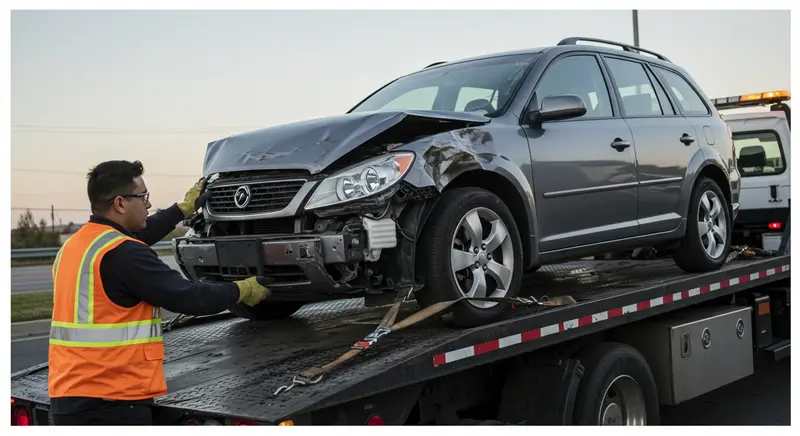
Car transport services play a crucial role after vehicle accidents by safely relocating damaged vehicles for inspections, repairs, or evaluations, thereby preventing further damage. Additionally, these services offer peace of mind by ensuring that your vehicle is handled by professionals trained to manage such sensitive situations effectively.
Reasons Car Transport is Useful Post-Accident
First and foremost, the immediate removal of your vehicle from the accident scene can relieve a great deal of stress post-collision. It’s vital to clear the area quickly; waiting around can lead to further complications.
Imagine being involved in a minor fender bender on a bustling highway. Not only is it anxiety-inducing, but remaining stationary could also invite additional accidents or traffic snarls. Prompt auto transport services step in here, swiftly getting your car away from harm’s way and allowing you to focus on recovery rather than added chaos.
Following this immediate attention, there are other compelling reasons to consider these services when managing a damaged vehicle.
One of the standout advantages is preventing further damage. Transporting your vehicle on a flatbed truck instead of trying to drive it—even short distances—ensures that no additional harm comes to it. Driving a damaged vehicle can inadvertently cause mechanical failures, deteriorate structural integrity, or worsen existing cosmetic issues. In fact, studies indicate that over 60% of vehicles driven post-accident incur more damage before reaching a repair shop. Your best bet for maintaining your car’s condition? Let professionals handle the logistics.
Beyond damage control, let’s explore how enhanced safety through professional transport adds another layer of protection during this stressful time.
Car accidents often leave individuals shaken, both physically and emotionally. By opting for professional transportation services, you’re not merely moving an inoperable vehicle; you’re also significantly enhancing personal safety during a time when clear decision-making may be compromised. Trained drivers accustomed to handling such scenarios ensure that your vehicle receives careful management throughout its journey to the repair facility. More importantly, they mitigate the risks associated with personal transit—keeping you protected from potential mishaps you might face if you attempted driving yourself.
And as if safety and prevention weren’t convincing enough, there’s also a considerable convenience factor at play.
Imagine trying to juggle arranging rides while coordinating repairs—all while recovering from an accident. Car transport services alleviate this burden by providing hassle-free transportation, allowing you to concentrate on aspects that matter most: your health and well-being. They often work around your schedule and can manage multiple cars if needed—great for families or businesses undergoing similar challenges. This means less logistical worry and more time focusing on what lies ahead.
As we move forward in navigating the complexities of vehicle recovery post-accident, understanding the various options available becomes essential for effective decision-making.
Choosing the Best Towing Service
Selecting a towing service can feel overwhelming, especially during the high-stress moments after an accident. A good choice can mean quick help and safe transport for your vehicle; a poor choice could lead to more headaches and risks regarding your car’s safety. Therefore, it’s essential to take a considered approach when picking your towing service.
Licensing and Credentials
The foundation of any reputable towing company begins with their licensing and credentials. Make it a habit to confirm that the towing service you consider is fully licensed and insured. This insurance covers any potential damages during transport. Imagine you’ve called for help, only to discover later that the company didn’t have the proper licensing—understanding which companies operate legally helps keep your experience hassle-free.
Additionally, look for certifications from recognized trade organizations. One such entity is the Towing and Recovery Association of America (TRAA), which sets industry standards to ensure that towing companies adhere to best practices. By going this route, you’re opting for peace of mind knowing that your vehicle is in capable hands.
Customer Reviews
In today’s digital world, consumer feedback can be your best ally in selecting a trustworthy towing service. Websites like Yelp or Google Reviews are treasure troves of insights into other customers’ experiences.
Pay attention to common themes in reviews—that’s where you’ll find valuable information about response times, professionalism, and care given to vehicles during recovery. For instance, one user on Yelp mentioned, “XYZ Towing Service arrived within 15 minutes of my call, handled my car with extreme care, and provided a smooth experience from start to finish.” Such testimonials can make a huge difference in your decision-making process since they reflect real experiences.
When you read through these reviews, don’t just focus on the ratings; dive deeper into what people are saying about specific aspects of their service. Look for comments on punctuality, friendliness of staff, and how well they handle cars—these details can help you gauge whether they’re worth calling when you’re in need.
With a reliable towing service chosen based on their credentials and customer feedback, it’s now important to consider how to ensure that the transport of your vehicle will be safe and secure throughout the entire process.
Ensuring Safety During Transport
Safety should always be the top priority when dealing with vehicle transportation after an accident. The first critical step in this process involves secure loading practices. It’s imperative that the towing service employs the right equipment, such as wheel straps and winches. These tools are designed to ensure your vehicle is securely fastened to the flatbed or tow truck, minimizing any potential movement during transit. A staggering statistic reveals that incorrectly secured vehicles account for approximately 15% of all transport-related damages. This highlights how crucial it is to pay attention to how a vehicle is being loaded—beyond appearance, it affects the safety and integrity of your car.
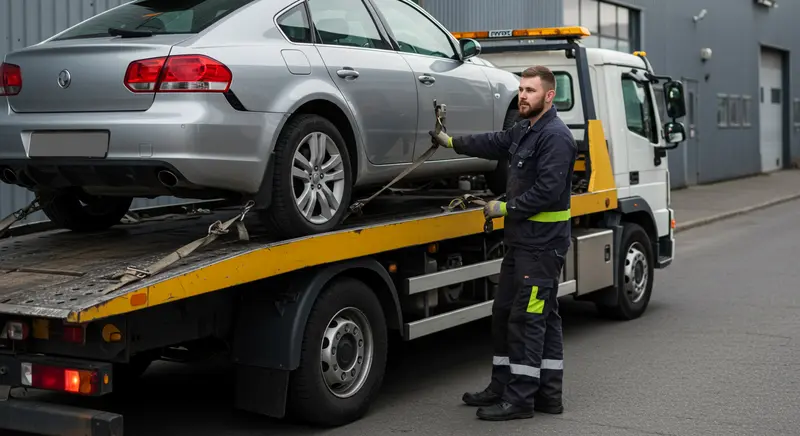
Think about this: when transporting a delicate object like a vase, wouldn’t you take extra precautions to secure it? The same principle applies to your vehicle. You want it protected and secured just like that cherished item.
The next aspect to consider is real-time tracking. Many advanced towing services now offer the ability to track your vehicle’s transit in real-time. This innovative feature provides peace of mind, knowing where your car is until it reaches its final destination. For example, ABC Towing provides customers with a tracking link that enables them to follow their car’s journey directly on their smartphone. This means you can relax and focus on other aspects of recovery while being reassured of your vehicle’s safety.
Another significant benefit of utilizing professional transport services is their dedication to driver training and expertise. Trained drivers have the knowledge necessary to handle various types of vehicles safely, especially those that have been in accidents. Accidents often result in unexpected structural weaknesses or mechanical issues; professionals know how to address these concerns proactively while securing your vehicle.
Lastly, don’t underestimate the importance of insurance coverage during transport. Familiarize yourself with what your chosen towing service offers in terms of insurance. Reliable carriers are legally bound to provide proof of insurance as specified by the Federal Motor Carrier Safety Administration (FMCSA) regulations. In fact, around 90% of transport companies usually include insurance coverage for vehicles during transit, which means that if something unfortunate were to happen, you’re covered.
All these measures work together symbiotically to ensure that your vehicle is transported with care and arrives at its destination safely and securely. As we explore further, understanding the financial implications associated with these transport services will prove essential for informed decision-making.
Understanding Transport Costs
Vehicle transport costs can seem steep at first glance, but upon breaking them down, you’ll see how various factors play a significant role in the final price. One basic principle is that distance matters. For instance, rates for local towing generally hover between $75 and $125, while long-distance towing can rise significantly, averaging from $2 to $4 per mile. The farther you need your vehicle moved, the more you’ll pay—but remember that longer hauls can often lead to lower costs per mile compared to short trips.
Also influencing costs is the condition of your vehicle. If your car is operational and can be driven onto a carrier, that’s one thing; however, if it’s inoperable and requires special handling, expect additional fees. Inoperable vehicles call for extra labor and equipment, which can lead to an increase in charges. A flatbed service averages around $100 to $150, considering both urgency and the type of vehicle being transported. Factors such as weight, size, and even seasonal demand will adjust your overall expense too.
There are further nuances when it comes to choosing a transport service that align with various needs.
Additional Cost Considerations
Beyond distance and vehicle condition, understanding specific service types offers deeper insight into pricing. For example, opting for an open carrier service typically costs less than an enclosed one due to less protection against external elements. Open carriers expose your vehicle to the elements but are a good option for standard vehicles not requiring special care. Conversely, if you own a high-value or luxury vehicle, an enclosed carrier provides superior protection during transportation but comes with a higher price tag.
Seasonal variability also impacts transport costs significantly. For instance, shipping rates dip in February as demand wanes after the holidays. By contrast, summer months—particularly from June through August—often see spikes in prices due to families relocating and students moving for college. Though these busy periods may drive up costs temporarily, shopping around with multiple companies can help mitigate some of those expenses due to increased competition among carriers.
Considering all these factors prepares you not only financially for transporting your vehicle but also helps you make informed decisions regarding service options as you navigate the challenges that come after a vehicle accident.
Benefits of Professional Transport Services
One of the most compelling advantages is comprehensive insurance coverage. When utilizing reliable transport services, your vehicle is typically insured during transit, ensuring that any damages incurred along the way are covered. This adds an important layer of protection that many personal auto insurance policies do not provide. Without this explicit transport coverage, you might be left financially vulnerable should anything go awry during the move. The peace of mind gained from knowing your vehicle is safeguarded allows you to focus on more pressing aftermaths of an accident, such as recovering physically and managing insurance claims.

Moreover, professional transport services bring considerable time-saving benefits. Picture this — instead of juggling logistics, trying to arrange transportation for your damaged vehicle, and coordinating between tow trucks or repair shops, you can streamline the entire process by relying on experts who specialize in vehicle recovery and transport. It’s about reclaiming valuable hours spent in confusion and frustration. Think of how much more productive you could be if you direct your attention toward filing health insurance claims or communicating with family about next steps rather than navigating a sea of phone calls and appointments necessary to move your car.
These time savings don’t just alleviate pressure—they often lead to better decision-making in the wake of an accident.
Another significant benefit lies in enhanced personal safety. Car accidents contribute to injury for over three million individuals every year. By choosing professional transport services, you inherently reduce the hazards associated with driving a potentially compromised vehicle yourself. Experts handle your car with care, understanding the unique challenges involved in transporting damaged vehicles safely. This significantly lowers both the risk of further damage to your car and personal injury that could arise from an unsafe journey.
Additionally, many customers appreciate that their cars are treated with specialized care throughout transit by trained professionals who know how to secure and protect different types of vehicles effectively. This ensures that your vehicle will reach its destination intact with fewer chances for additional wear and tear—a concern when attempting self-transport.
Let’s face it: nobody wants to add “learning how to maneuver a damaged car on back roads” to their list of post-accident stressors!
Utilizing professional transport services also enables multi-vehicle transport, which can be a game-changer for families facing similar situations post-accident. Instead of each family member separately locating their own means of transportation—often leading to miscommunication and frustration—you have the option to have several cars shipped simultaneously. This promotes efficiency and ensures everyone arrives at their intended location together.
Knowing these benefits equips you well for the next steps in managing your vehicle’s recovery and getting it back on the road safely. Now let’s explore what actions should be taken once your vehicle has been delivered.
Steps After Vehicle Delivery
Once your vehicle has been delivered, the next critical step is to conduct a thorough inspection. This involves checking for any new damages that may have occurred during transport. It’s essential to scrutinize every angle of your car, looking closely at the body, windows, and even undercarriage.
Utilizing the Bill of Lading (BOL) provided by the transporter can be invaluable here. This document serves as both a guide and a reference point for what your vehicle looked like before transport. If you notice any issues, note them immediately as they could impact future claims.
Immediately after inspecting your vehicle, it’s time to document all findings. Taking clear photos of your car upon delivery is key; think of it as creating a visual receipt. These images will play a vital role if you find yourself needing to file a claim later on.
Be sure to capture any discrepancies—damages, scratches, or dents—by taking numerous angles. This documentation is often necessary for insurance processes.
With proper documentation completed, contacting your insurance company comes next to ensure a seamless claims process.
When notifying your insurance provider, imparting details about the accident and subsequent transport is crucial. Providing well-documented evidence, including the photos you’ve taken and information from your BOL, significantly expedites the claims process.
A clear chronology of events helps establish accountability and ensures that your case is handled with care.
In many cases—about 60% according to statistics—individuals choose to file their claims within 24 hours after delivery. Prompt communication allows both you and your insurance company to deal swiftly with repair estimates and other necessary arrangements.
Finally, once you’ve notified your insurer, arranging for repairs should be next on your list.
It’s smart to get estimates from at least two reputable repair shops before proceeding with any work on your vehicle. About 75% of drivers follow this practice—ensuring that they’re not only getting quality service but also fair pricing for repairs. Keeping detailed records of all communication and repair proposals facilitates further interactions with insurance adjusters or service providers if needed.
By following these steps post-transport, you’re safeguarding the integrity of your vehicle while equipping yourself with knowledge that could ease stress during an already challenging time. Regular communication and meticulous documentation lay the groundwork for successful resolution after an accident involving vehicle transport.
Ultimately, remaining vigilant and organized throughout this process can significantly enhance your experience during recovery. Your diligence can save time, money, and frustration in navigating the aftermath of vehicle accidents.
