
Determining Fault in Parking Lot Accident
Parking lot accidents can lead to complex discussions about liability and fault. Assigning parking lot accident fault often depends on various factors, including the specific circumstances of the incident, traffic laws, and the actions of the drivers involved. Understanding how to analyze these factors can significantly influence the outcome of any insurance claims or legal actions that may follow.
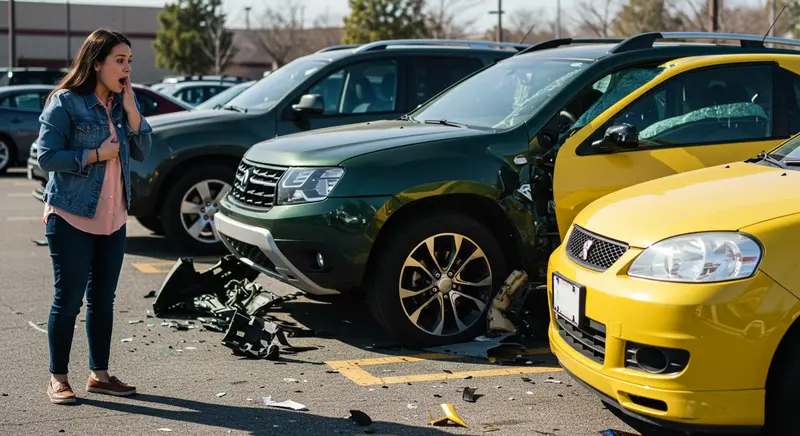
Drivers should assess the accident scene, gather evidence, and speak to witnesses whenever possible. Often, the point of impact, vehicle positions, and any available surveillance footage can provide crucial insights into who may be at fault. Knowing these elements can help affected individuals navigate the aftermath of the incident more effectively.
Understanding Parking Lot Accident Dynamics
Parking lot accidents can present unique challenges when determining fault. Understanding the dynamics of these incidents requires examination of the types of accidents, common causes, and the influence of traffic control measures.
Types of Parking Lot Accidents
Parking lot accidents typically fall into three main categories:
- Moving Vehicle Collisions: This includes accidents involving two or more moving vehicles. Common scenarios involve turning, backing out, or changing lanes within the parking area.
- Fixed Object Collisions: Vehicles may strike structural elements like light poles, walls, or curbs. These accidents often occur due to driver inattention or misjudgment of distances.
- Pedestrian Incidents: Accidents involving pedestrians can occur when drivers fail to see individuals walking, especially in busy lots. These incidents often cause serious injuries and can complicate fault determination.
Each type presents distinct factors that influence liability and responsibility.
Common Causes of Parking Lot Accidents
Several factors contribute to parking lot accidents:
- Driver Distraction: Many drivers are distracted by phones or conversations, leading to inattentiveness in parking scenarios.
- Poor Visibility: Limited sightlines due to parked vehicles or obstacles can result in missed signals or pedestrians.
- Speeding: Even in parking lots, excessive speed can reduce reaction time, increasing the likelihood of collisions.
- Impaired Driving: Alcohol or substance impairment can significantly impact judgment and coordination.
Awareness of these causes is crucial for assessing liability and preventability.
The Role of Traffic Control Measures
Traffic control measures serve to enhance safety in parking lots. Proper signage is vital for providing clear guidance.
Lane markings and crosswalks help direct vehicle and pedestrian traffic safely. Regular maintenance of these features ensures they remain visible and effective.
Speed bumps can slow vehicles down, reducing accident severity.
When evaluating fault in parking lot accidents, the presence or absence of these measures can influence liability. For example, a poorly marked lane could contribute to a driver’s misunderstanding of right-of-way.
Understanding these dynamics helps to clarify the factors at play in parking lot accidents and their impact on fault determination.
Legal Framework for Fault Assessment
Understanding the legal principles that guide fault determination in parking lot accidents involves examining negligence and the concepts of comparative and contributory fault.
Negligence and Duty of Care
Negligence is a key factor in assessing fault in parking lot accidents. It refers to the failure of a party to exercise reasonable care, which directly causes harm to another.
In a parking lot scenario, every driver has a duty of care to operate their vehicle safely. This includes obeying parking regulations and being aware of pedestrians. If a driver fails to adhere to these standards, such as speeding or not yielding to a pedestrian, this breach can establish negligence.
Essential evidence often includes witness statements, surveillance footage, and accident reports. These elements critically analyze whether a driver acted reasonably under the circumstances.
Comparative and Contributory Fault
Comparative and contributory fault principles determine the sharing of liability among involved parties.
Comparative fault allows recovery based on the proportion of fault assigned to each party. For instance, if one driver is found 70% at fault and the other 30%, damages are adjusted accordingly.
Contributory fault, on the other hand, can bar recovery if the injured party holds any fault in the accident. In places with strict contributory fault laws, even a small degree of negligence can prevent claims.
Both doctrines require careful evaluation of the actions of all parties involved to ascertain the appropriate fault percentage and compensation. Understanding these distinctions is crucial for motorists navigating liability after a parking lot accident.
Evaluating Evidence and Documentation
Proper evaluation of evidence and documentation is crucial in determining fault in a parking lot accident. Critical components include visual evidence, eyewitness accounts, and official reports that can provide clarity in establishing liability.
Surveillance Footage and Photographs
Surveillance footage can be pivotal in understanding the sequence of events during a parking lot accident. Video recordings from nearby cameras may show the positions, movements, and actions of the vehicles involved.
Photographs taken immediately after the incident also play a significant role. They can capture vehicle damage, road conditions, and the environment, adding context to the accident.
It’s important to gather both types of evidence promptly to enhance their reliability. If available, these resources can substantiate claims, illustrating how the accident occurred.
Witness Statements and Testimonies
Eyewitnesses can provide additional perspectives that may not be captured on video. Statements from bystanders or other drivers can reveal what they observed leading up to and during the incident.
Detailed testimonies can clarify details such as the speed of the vehicles or any erratic behavior.
Validating these accounts through cross-examination with evidence is essential for a comprehensive understanding.
Collecting witness information, including contact details, can facilitate follow-up discussions. Consistent testimonies support a more credible version of events and assist in assigning fault accurately.
Accident Reports and Police Records
Accident reports generated by law enforcement can be integral in determining fault. These documents typically summarize the incident, providing insights based on the officer’s observation, analysis, and interviews conducted at the scene.
Some reports include diagrams outlining vehicle positions and any cited traffic violations. Such documentation may also include crucial information on insurance details for the involved parties.
Accessing police records can offer an official viewpoint, which may carry more weight in disputes over fault. An accurate report can significantly influence liability decisions in insurance claims and potential legal proceedings.
