
How to Prove Fault in a McKinney Car Accident Case
Proving fault in a McKinney car accident case requires a meticulous approach, rooted in Texas negligence laws. Establishing fault involves demonstrating duty, breach, causation, and damages, all while collecting robust evidence. Analyzing police reports and traffic camera footage, combined with eyewitness testimonies, forms the foundation of a compelling argument. Incorporating expert witnesses can further solidify the case by providing detailed analysis. How can these elements come together to sway the outcome in your favor?
Understanding Texas Negligence Laws
Understanding Texas negligence laws is essential for anyone involved in a car accident case, as these laws determine the legal framework for establishing fault. The negligence standards in Texas require proving four key elements: duty, breach, causation, and damages. Each party must demonstrate how the other failed to meet these criteria, directly leading to the accident and resulting injuries. Liability determination hinges on the comparative negligence rule, where fault is apportioned among all involved parties. Texas adheres to the “51% Bar Rule,” meaning a party cannot recover damages if found to be more than 50% at fault. Therefore, understanding these principles is critical for effectively maneuvering through the complexities of Texas law and ensuring fair liability determination in a car accident scenario.
Gathering Evidence at the Accident Scene
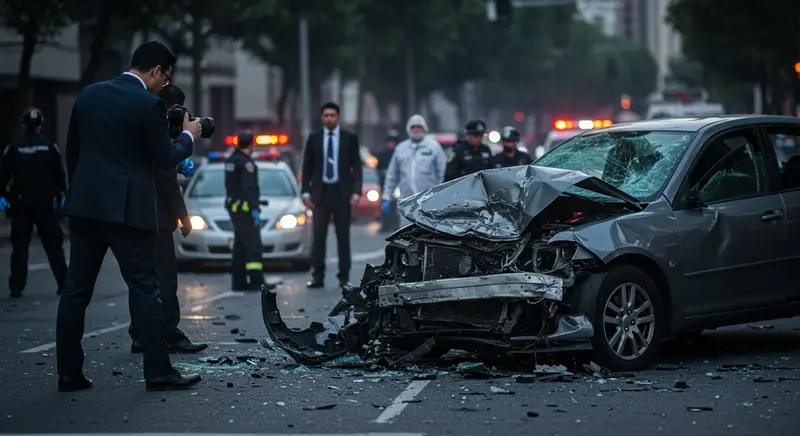
Collecting robust evidence at the accident scene is essential for substantiating claims of fault in a car accident case. An impartial observer would recommend meticulously gathering accident documentation and photographic evidence immediately following the incident. Capturing detailed photographs of vehicle damage, road conditions, and surrounding traffic signs can be pivotal. These images preserve the scene’s integrity and serve as compelling, time-stamped records. Additionally, documenting skid marks, debris, and weather conditions offers more layers of context. Eyewitness accounts should be noted with precision, as their testimonies can corroborate physical evidence. This thorough approach not only strengthens the factual foundation of a case but also fortifies the argument for liability. Consequently, thorough evidence collection is indispensable for achieving a favorable outcome.
Analyzing Police Reports
Analyzing police reports is essential in establishing fault as they contain key evidence details that can greatly influence the outcome of a car accident case. The statements made by officers are particularly impactful, as they often provide an objective perspective on the incident. Ensuring the accuracy of these reports is paramount, as any discrepancies or errors can undermine the credibility of the evidence presented.
Key Evidence Details
Police reports serve as foundational evidence in car accident cases, providing a thorough account of the incident from an objective standpoint. These reports are regarded as key documents in establishing fault, as they detail significant elements such as the time, location, and conditions of the accident.
Furthermore, they often include photographic evidence that illustrates the scene, vehicle positions, and damages incurred. Such visual documentation is invaluable in corroborating witness statements and reconstructing the sequence of events. Consulting a Car Accident Lawyer in McKinney can help analyze these reports with a keen eye for detail, uncover discrepancies, or support claims, thereby playing an essential role in negotiating settlements or presenting a case in court. Lawyers and insurance adjusters rely heavily on these evidentiary components to assess liability and advocate effectively for their clients.
Officer Statements Impact
Officer statements in police reports wield substantial influence when determining fault in car accident cases. Their credibility serves as a cornerstone in the adjudication process, assisting legal professionals in piecing together the incident’s intricacies. An officer’s training and firsthand observation lend credence to their account, often seen as more impartial than involved parties’ narratives. Statement reliability is essential; discrepancies can undermine the integrity of the report. By scrutinizing the officer’s account, attorneys can assess the validity of claims made by the involved drivers. Such statements often include vital details about road conditions, witness testimonies, and vehicle positioning. Consequently, the officer’s ability to convey observations accurately and impartially is critical in constructing a persuasive argument regarding fault.
Report Accuracy Importance
When evaluating fault in car accident cases, the accuracy of police reports is paramount. A meticulously crafted report serves as a cornerstone in establishing liability, offering unbiased insights into the incident. Report credibility is vital; discrepancies or omissions can greatly impact legal outcomes. As a result, ensuring documentation accuracy is not just beneficial but essential. Each detail, from time and location to witness statements, must be carefully verified. An accurate report provides a reliable account, supporting claims and defenses with factual clarity. In McKinney, where legal proceedings may hinge on such evidence, the integrity of these documents cannot be overstated. Ultimately, the ability to prove fault effectively often rests on the precise and thorough nature of the police report.
Collecting Eyewitness Testimonies
Eyewitness testimonies serve as a critical component in establishing fault in car accident cases, providing unbiased perspectives that can corroborate or challenge the narratives of those involved. The reliability of these accounts hinges on the prompt and systematic gathering of statements from witnesses who have no vested interest in the outcome. A meticulous approach to collecting these testimonies not only strengthens the evidentiary foundation but also enhances the credibility of the case in legal proceedings.
Importance of Eyewitness Accounts
In the aftermath of a car accident, the collection of eyewitness testimonies emerges as a essential element in establishing fault. Eyewitness accounts can provide an unbiased perspective that may clarify the sequence of events leading to the collision. The reliability of these accounts is critical, as they must withstand scrutiny during legal proceedings. Consistency in statements is often a strong indicator of credibility, enabling authorities to piece together an accurate narrative of the incident. Discrepancies in testimonies might raise doubts, but corroborating details among different witnesses can strengthen a case. Consequently, acquiring clear and consistent eyewitness testimonies not only aids in constructing a factual account but also plays a pivotal role in the adjudication process, ultimately influencing the determination of fault.
Gathering Reliable Witness Statements
A methodical approach to gathering reliable witness statements can greatly influence the outcome of a car accident case. Witness reliability is paramount, as these accounts provide vital insights into the events leading up to the collision. To guarantee accuracy, it is essential to collect testimonies as soon as possible after the incident, when memories are freshest. Interviewers should ask open-ended questions to allow witnesses to naturally recount their observations, enhancing statement consistency. It’s essential to cross-reference multiple accounts to identify commonalities and discrepancies, which can illuminate the facts. Documenting each statement meticulously and verifying details further strengthens the case. By prioritizing witness reliability and maintaining statement consistency, legal representatives can construct a compelling narrative to establish fault effectively.
Reviewing Traffic Camera Footage
Traffic camera footage serves as an impartial observer in the often chaotic aftermath of a car accident. Analyzing this footage can greatly bolster a case by providing objective evidence that captures the sequence of events leading to the collision. Traffic footage analysis requires a meticulous approach, considering factors such as time stamps, road conditions, and vehicle speeds. However, camera angle considerations are paramount; a poorly positioned camera might obscure critical details, such as the exact point of impact or traffic signal statuses. Legal professionals must guarantee that the footage is clear and relevant to the incident in question, confirming that its integrity remains intact. This evidence can be pivotal in reconstructing events and assigning fault, providing clarity amid disputed narratives.
Examining Vehicle Damage
Dented bumpers and crumpled fenders often tell a compelling story about the forces at play during a car accident. A meticulous vehicle inspection serves as a crucial step in unraveling this narrative. Through detailed damage assessment, professionals can infer the angle and speed of impact, contributing valuable insights into fault determination. The physical evidence found on a vehicle can corroborate or dispute witness testimonies and driver accounts, making it an indispensable component in a McKinney car accident case. By analyzing paint transfers, indentation patterns, and the extent of structural compromise, experts can build a persuasive case. These tangible clues are essential, often tipping the scales in establishing liability. Consequently, thorough vehicle inspection and precise damage assessment are crucial in substantiating claims of fault.
Consulting Expert Witnesses
While physical evidence from vehicle damage offers significant insights, the expertise of specialists often enhances the clarity of a car accident case. Consulting expert witnesses becomes essential when determining fault, as their professional judgment provides an unbiased perspective on complex accident dynamics. Through expert testimony, accident reconstructionists and forensic analysts can meticulously dissect the sequence of events, offering precise explanations on speed, impact angles, and braking patterns. Their forensic analysis can illuminate factors not immediately visible to the untrained eye, such as subtle mechanical failures or environmental contributors. This specialized input not only strengthens the credibility of the evidence but also aids the legal team in constructing a compelling narrative, making it a pivotal element in achieving a favorable outcome in court.
Navigating Insurance Claims
Maneuvering the intricate landscape of insurance claims requires a strategic approach, beginning with a thorough understanding of policy details and claim procedures. Evaluating the specifics of an insurance policy is essential to determine coverage limits and obligations. A meticulous review enables claimants to align their documentation with the required evidence, ensuring a smoother claim process. Prompt notification to the insurer is vital, accompanied by a detailed account of the accident, supported by police reports and witness statements. Vigilance is required to meet deadlines, as insurers often impose strict timeframes. This disciplined approach in maneuvering the claim process maximizes the potential for a favorable settlement. Engaging with the adjuster knowledgeably, armed with facts, further strengthens the claimant’s position in achieving an equitable resolution.
Building a Strong Legal Case
To effectively establish fault in a car accident case, a thorough legal strategy is vital. It begins with meticulous evidence collection and documentation. An experienced attorney evaluates police reports, witness statements, and accident scene photographs to construct a persuasive narrative. Legal strategies must be tailored to the specifics of the incident, ensuring that every detail aligns with the legal standards of negligence.
A compelling case presentation is essential, as it involves clearly articulating the evidence to demonstrate the other party’s liability. This includes expert testimonies, accident reconstruction, and a detailed analysis of traffic laws. The attorney’s ability to synthesize facts into a cohesive argument can greatly influence the outcome. Therefore, building a strong legal case is fundamental for securing a favorable verdict or settlement.
Frequently Asked Questions
The current question concerns the timeframe to initiate a car accident lawsuit. In McKinney, individuals must be aware of filing deadlines due to significant legal implications, which typically require action within two years of the accident’s occurrence.
Under Texas’ comparative negligence rule, an individual can file insurance claims even if partially at fault, provided their fault does not exceed 50%. Compensation is reduced proportionally to their degree of responsibility in the accident.
When encountering police report discrepancies, one should analytically review the document, gather supporting evidence, and consider filing an appeal. This strategic approach can help in rectifying inaccuracies and potentially influencing the outcome of the case.
Weather conditions can greatly influence accident liability. Slippery roads or poor visibility might not absolve a driver of responsibility, but they can complicate fault determination, requiring a thorough analysis of driving behaviors under adverse weather circumstances.
Individuals seeking traffic footage for personal review must navigate the request process, which involves contacting local authorities or relevant agencies. This step is essential for gathering evidence and understanding the incident’s context and potential liabilities.
