Understanding Driver and Vehicle Owner Responsibility After a Car Accident
Understanding driver and vehicle owner responsibility after a car accident is important because both parties may be legally and financially accountable depending on the situation. Responsibility is not always limited to the person behind the wheel. In many cases, the vehicle owner can also be held liable for damages.
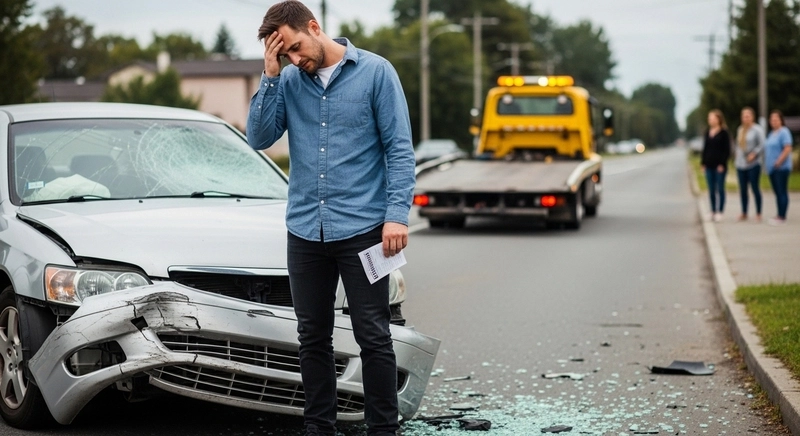
To fully understand liability in car accidents, it is important to know how fault is determined and how responsibility is shared. Laws vary by state, but certain common principles apply in most cases. Knowing these basics can help you protect your rights and make informed decisions after an accident.
When an accident happens, insurance companies and legal authorities look closely at who caused the crash and who owns the vehicle. These details play a major role in determining who pays for damages, injuries, and other losses.
Driver Responsibility in Car Accidents
The driver is usually the first person considered responsible after an accident. This is because the driver is in control of the vehicle at the time of the crash.
A driver may be held responsible for:
- Speeding or reckless driving
- Distracted driving, such as texting
- Driving under the influence
- Ignoring traffic signals or signs
- Failing to follow road rules
If the driver’s actions directly caused the accident, they are typically considered at fault. Their insurance policy is usually the first source of compensation for damages.
Vehicle Owner Responsibility
Vehicle owners can also be held responsible, even if they were not driving at the time of the accident. This depends on the relationship between the owner and the driver, as well as how the vehicle was used.
Situations where an owner may be liable include:
- Allowing an unqualified or reckless driver to use the vehicle
- Lending the car to someone without a valid license
- Failing to maintain the vehicle properly
- Giving permission to someone who then causes an accident
This is often referred to as “negligent entrustment.” It means the owner may share responsibility for trusting the wrong person with their vehicle.
When Both Driver and Owner Are Responsible
In some cases, both the driver and the vehicle owner share responsibility. For example:
- A driver causes an accident due to careless behavior.
- The owner knowingly allowed that driver to use the car.
In such cases, both parties may be held liable for damages. Insurance policies from both the driver and the owner may be involved in covering the costs.
This shared responsibility can make claims more complex, especially when multiple parties are involved.
The Role of Insurance
Insurance plays a major role in determining how damages are paid after an accident. Typically, the vehicle owner’s insurance policy is considered primary coverage.
Key points to understand:
- Insurance usually follows the vehicle, not the driver.
- The owner’s policy may cover damages even if someone else was driving.
- The driver’s personal insurance may act as secondary coverage.
However, there are exceptions. If the driver was using the vehicle without permission, the owner may not be held responsible, and coverage could be denied.
Exceptions and Special Situations
There are certain situations where responsibility may differ from the usual rules.
Examples include:
- Unauthorized use: If the car was stolen or used without permission, the owner is generally not liable.
- Employer liability: If the driver was working at the time, the employer may also be responsible.
- Rental vehicles: Rental companies have different rules and insurance structures.
- Family use: In some states, family members using a shared vehicle may create automatic liability for the owner.
Each of these situations can change how responsibility is assigned.
How Fault Is Determined
Fault is determined based on evidence collected after the accident. This may include:
- Police reports
- Witness statements
- Photos and videos from the scene
- Traffic camera footage
- Expert analysis
Insurance adjusters and sometimes courts review this information to decide who is responsible and to what extent.
In some states, fault can be shared. This means more than one party may be partially responsible, which can affect the final compensation amount
Tips to Protect Yourself
After a car accident, taking the right steps can help protect your legal and financial interests.
- Always document the scene with photos.
- Exchange information with all parties involved.
- Report the accident to your insurance company.
- Avoid admitting fault at the scene.
- Seek legal advice if the situation is complex.
Being prepared can make a significant difference in how your claim is handled.
Key Takeaways
- Both drivers and vehicle owners can be held responsible after an accident.
- Drivers are usually liable for their actions behind the wheel.
- Owners may be liable if they allow unsafe use of their vehicle.
- Insurance coverage often follows the vehicle first.
- Shared fault can complicate claims and affect compensation.
- Proper documentation and awareness can help protect your claim.
