
Why Do Drunk Driving Accident Claims Still Take Time to Settle?
A drunk driving crash often looks straightforward from the outside, especially when impairment is involved. Many people expect the claim to move quickly because the fault seems obvious right away. Still, the process does not work on assumptions or early impressions. It follows a structured path where every detail must be checked before anything is finalized.
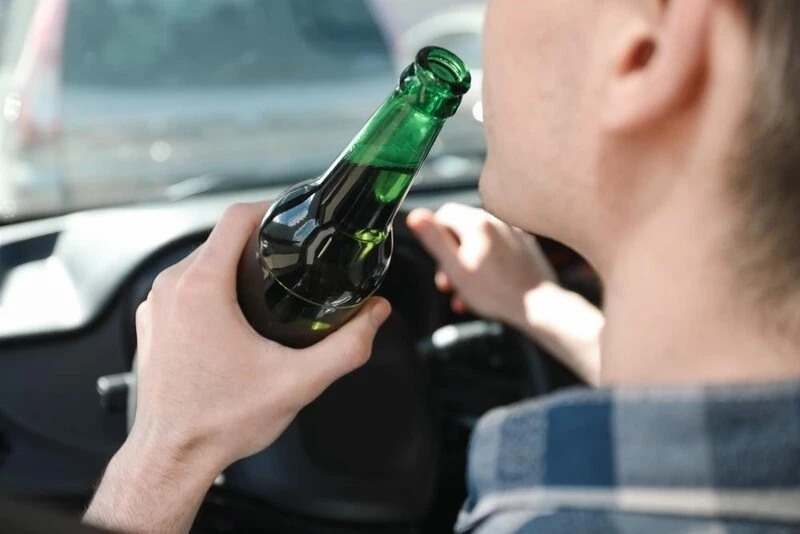
Insurance companies, medical providers, and investigators all work on different timelines. This creates a slow but steady process that continues even when nothing visible is happening. A drunk driving accident lawyer often sees this stage as the most misunderstood part, because work is happening in the background, even though progress is not always visible.
Fault Does Not Mean Instant Settlement
Even when a drunk driver is clearly responsible, a settlement does not happen immediately. Fault is only one part of the claim. The other part is understanding the full impact of the accident.
Compensation depends on:
- Medical treatment and recovery time.
- Lost income and work impact.
- Long-term physical effects.
- Emotional and financial strain.
Each factor must be reviewed carefully before a value is placed on the claim. A lawyer usually waits for complete records before moving into negotiation, which naturally adds time to the process.
Criminal and Civil Cases Move Separately
A major reason for the delay is that two legal processes run at the same time but do not depend on each other directly.
The criminal case focuses on punishing the drunk driver, while the civil claim focuses on compensation for the injured person. Criminal proceedings may include court hearings, toxicology reports, and legal arguments that take time to complete.
Civil claims often wait for key results from these proceedings before moving forward. This separation creates a natural delay even when both cases come from the same accident.
Evidence Takes Time to Collect and Confirm
Strong claims depend on strong evidence, and that evidence does not appear instantly. It is collected step by step from different sources.
Key Evidence Delays:
- Police reports require time to finalize.
- Toxicology results need lab processing.
- Witness statements may need follow-ups.
- Accident reconstruction may be required.
- Insurance investigations run independently.
Each piece helps build clarity, but also adds time to the process. A lawyer must wait for complete information before building a strong claim strategy.
Insurance Companies Review Every Detail Carefully
Insurance companies do not rush high-value or high-liability cases. Drunk driving accidents usually involve serious injuries and strong legal exposure, so reviews are more detailed.
Before making any offer, insurers:
- Verify police findings and reports.
- Review medical records and bills.
- Check policy limits and coverage terms.
- Assess long-term financial impact.
This internal review process involves multiple layers of approval. Even when liability is clear, these steps slow down settlement discussions.
Medical Recovery Affects the Timeline
Medical treatment is one of the biggest reasons claims stay open for long periods. Settlements are often delayed until recovery reaches a stable point.
If treatment is still ongoing, it becomes difficult to calculate total damages. New reports, updated bills, and changing recovery progress all affect the claim value. A drunk driving accident lawyer usually waits for a clearer medical picture before final negotiation begins.
Disagreements Over Compensation Slow Negotiation
Even after a fault is accepted, both sides may disagree on the value of the claim. Insurance companies often offer lower amounts compared to what victims expect.
Common areas of disagreement include:
- Future medical expenses
- Pain and recovery impact
- Lost wages calculation
- Long-term disability concerns
Negotiation often goes through several rounds before an agreement is reached. Each round adds more time to the settlement process.
Court Cases Take Even Longer
If negotiation fails, the case may move into court. This adds structure but also extends the timeline significantly.
Court procedures include filing documents, exchanging evidence, attending hearings, and preparing for trial if needed. Each step follows a fixed schedule that cannot be rushed, which naturally extends the overall duration of the case.
Why Time Is Part of the Process
Drunk driving accident claims move slowly because multiple systems work together. Evidence gathering, medical review, insurance checks, and legal procedures all need time to align.
A drunk driving accident lawyer understands that this delay is not random. It is part of building a complete and accurate claim that reflects the full impact of the accident.
Final Thoughts
There is no fixed timeline for drunk driving accident claims. Some settle in months, while others take much longer, depending on injuries, evidence, and disputes.
What remains consistent is that time is used to build clarity. Every stage adds information that supports a fair outcome. The process may feel slow, but each step plays a role in reaching a complete and well-supported settlement.
