10 Essential Upgrades for a More Powerful VW Engine
Volkswagen has long held a sweet spot in the hearts of performance enthusiasts. Whether it’s the torquey TDI, the turbocharged GTI, or the sharp-handling Golf R, VW engines offer a compelling blend of precision engineering and tunability. But if you’re looking to take your VW’s performance from mild to thrilling, you’ll want to go beyond stock.
This guide breaks down 10 essential upgrades that can unleash more horsepower, torque, and throttle response from your Volkswagen—without sacrificing drivability. We’ll also explore one of the most powerful tools in any performance builder’s toolkit: VW ECU tuning, and how it can completely transform your car’s personality with just a few clicks.
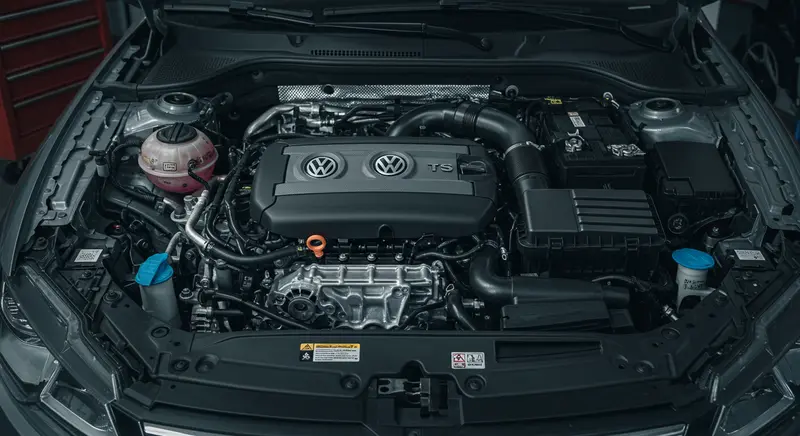
Let’s dive into the upgrades that every VW performance fan should consider.
1. High-Flow Air Intake System
The first step in helping your VW engine breathe better is replacing the restrictive factory airbox with a high-flow cold air intake. This upgrade improves airflow to the engine, potentially boosting horsepower while enhancing throttle response.
You’ll notice a subtle increase in induction sound—especially under heavy throttle—and a slight bump in performance across the rev range. Brands like APR, Integrated Engineering, and CTS Turbo offer intakes tailored for VW models like the GTI, Golf R, and Jetta GLI.
2. Performance Downpipe
A performance downpipe replaces the OEM unit and helps expel exhaust gases faster and more efficiently, especially in turbocharged VW engines. It reduces backpressure, improves turbo spool-up time, and paves the way for more aggressive tuning.
Paired with an ECU remap, a high-quality downpipe can result in gains of 15–30 horsepower, depending on your setup. Just note: aftermarket downpipes often remove or replace catalytic converters, which may affect emissions compliance in your area.
3. Upgraded Intercooler
Turbocharged engines, like the ones in the Golf GTI and Golf R, generate a lot of heat—especially under load. That heat can reduce engine efficiency and power. An upgraded intercooler helps keep intake temperatures cooler, resulting in more consistent performance during spirited driving.
This is especially useful for those living in warmer climates or anyone planning to run a higher-boost tune. Cooler air means denser air, and denser air means more power.
4. Cat-Back Exhaust System
Replacing your VW’s factory exhaust with a cat-back system won’t just make it sound better—it can also unlock extra horsepower when paired with other bolt-ons. A quality exhaust system reduces restriction while giving your engine a deeper, more aggressive tone.
This is a popular mod for Golf R and GTI owners who want a sportier sound without going full race-car loud. Brands like AWE, Borla, and Remus offer systems specifically tuned for VW’s performance lineup.
5. ECU Tuning for VW: The Game Changer
No upgrade delivers as much bang for your buck as VW ECU tuning. Also known as “remapping,” ECU tuning modifies your car’s engine software to increase horsepower, torque, and responsiveness—often by optimizing turbo boost, fuel delivery, and ignition timing.
For stock turbocharged VWs like the MK7 GTI, Golf R, or Tiguan 2.0T, a simple Stage 1 tune can yield gains of 30–70 horsepower, depending on the fuel you use (91, 93, or even E85). A Stage 2 tune, paired with supporting mods like a downpipe and intercooler, can push things even further.
- How It Works: Tuners like APR, Unitronic, GIAC, and Integrated Engineering (IE) offer plug-and-play solutions using OBD-II dongles or handheld devices. Some allow tuning from your smartphone, making it incredibly accessible—even for first-time DIYers.
- Safety and Compatibility: Modern VW engines, including the EA888 2.0T found in many models, respond well to tuning without compromising reliability—if done correctly. Always use a reputable tuner and ensure your car is well-maintained before flashing a new map. If you’re still under warranty, be aware that tuning may affect dealer support or powertrain coverage.
6. Upgraded Turbocharger (Optional for Stage 3+ Builds)
If you’ve already upgraded your supporting systems and tuning, the next step is a bigger turbo. Swapping out the stock turbo for a hybrid or full-frame turbo opens up the potential for 400+ horsepower builds on platforms like the Golf R or Audi S3.
This is a more involved upgrade, requiring changes to fueling, intercooling, and tuning, but for those who want supercar-level performance in a VW hatchback body, it’s one of the most rewarding modifications available.
7. High-Performance Spark Plugs
Higher boost levels and more aggressive timing from tuning demand more reliable ignition. That’s where high-performance spark plugs come in. They offer better heat resistance, stronger spark, and improved combustion efficiency—helping your tuned engine fire cleanly under pressure.
Copper or iridium plugs gapped for your tune can prevent misfires, especially under heavy acceleration. A small but essential upgrade when stepping beyond stock.
8. Upgraded Fueling (Injectors and Pump)
As power increases, so does the demand for fuel. Especially at Stage 2 or higher, many VW platforms benefit from larger fuel injectors and upgraded high-pressure fuel pumps to maintain safe air-fuel ratios under boost.
Failing to upgrade fueling when needed can lead to lean conditions, which can be dangerous for your engine. Some tunes will let you monitor fuel trims or use data logging to track performance—handy for spotting fueling limitations early.
9. Better Engine Mounts
Higher torque output from tuning and bolt-ons can cause excessive engine movement—something you’ll feel as wheel hop, sloppy shifts, or vibration under load. Upgraded engine and transmission mounts reduce flex, sharpen throttle response, and make shifting more precise.
Brands like 034Motorsport, BFI, and Torque Solutions offer upgraded mounts that balance performance with comfort, making this a worthwhile upgrade even for daily-driven VWs.
10. DSG or Manual Transmission Tuning
VW’s DSG (dual-clutch transmission) is a marvel of engineering, but its stock calibration isn’t always optimized for spirited driving—especially after a performance tune. DSG tuning adjusts shift points, launch control, and clutch clamping pressure, making your car shift faster and more intuitively.
For manual transmission owners, consider a short-throw shifter and a stronger clutch kit to handle the increased torque. A stock clutch may not hold long-term under tuned conditions, especially in performance-focused builds.
Final Thoughts: Building the Perfect VW Powerhouse
Volkswagen’s modern engines offer a solid foundation for performance—and best of all, they respond incredibly well to smart, incremental upgrades. You don’t have to go all-in at once. Start with foundational mods like a tune, intake, and exhaust, then build from there as your goals evolve.
Remember, the key to a successful VW build isn’t just raw horsepower—it’s balance. Making sure your fueling, cooling, transmission, and chassis are all in sync will result in a car that not only pulls hard but drives like a dream.
So whether you’re chasing lap times, backroad thrills, or simply want more punch in your daily commute, these 10 essential upgrades will put you on the path to a stronger, sharper, and more powerful VW.
