
Where Do Most Fatal Car Accidents Occur?
There are some places, roads, or environments peculiarly characterized as high-risk areas for fatal car accidents. Collisions are mainly caused by driving too fast, poor lane visibility at night, human behavior, and poorly designed roads.
According to the statistics, the locations of the fatalities have a pattern. Rural roads might have fewer cars than urban roads but the National Highway Traffic Safety Administration has reported that most rural road automobile incidents result in fatalities.
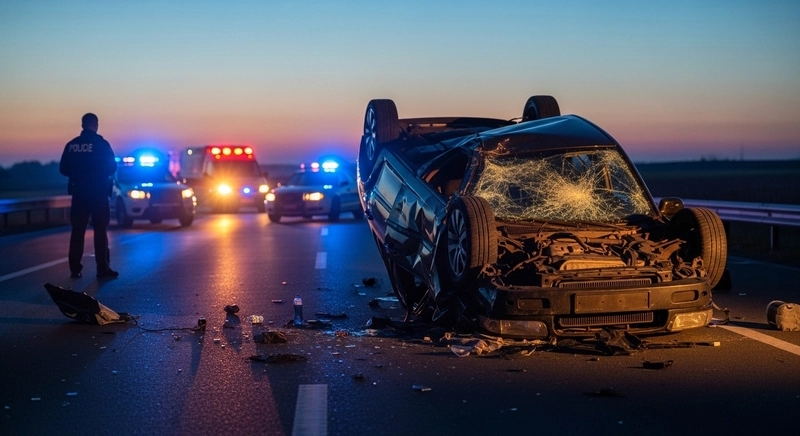
Reckless driving and speeding account for fifty percent of total road deaths across the nation. Accidents happening in rural areas are usually more devastating as a result of emergency services taking longer to respond and be on the scene.
To improve road safety, it is necessary to identify where most fatal car accidents occur. Let us explore the reasons these places prove unsafe.
The Most Dangerous Roads: A Statistical Overview
Statistically, the occurrence of a fatal accident is greatest on highways and interstates. These places are some of the most feared by drivers since they have a high rate of accidents.
Many drivers find themselves up against heavy traffic and poor visibility. These two factors create a suitable environment for tragic accidents. There are statistics supporting the argument that roads with a high volume of commercial traffic are prone to accidents.
Road signage neglect and bad road conditions increase chances of an accident. Poor visibility and fatigue make it more dangerous to drive at night.
Rural Areas vs. Urban Settings: Where Do Fatal Car Accidents Happen?
Statistically, the rural setting has had a greater number of fatalities than urban roads. The heavy traffic and various obstacles result in the prevention of speeding on most urban roads. In remote environments, driving is always more hazardous, leading to more accidents. Many of these places do not have traffic signs or sufficient lights.
Speeding often happens when motorists traverse long and empty service roads in the countryside. Often car accidents in rural settings may take place in very far-away locations where immediate intervention from emergency services becomes a problem.
Key Factors Leading to Fatal Car Accidents on Certain Roads
Many road design features can contribute to the occurrence of deadly motor vehicle crashes.
Being minor issues, potholes and streetlights are often overlooked but they actually pose a serious risk for the road users. Drivers on country roads tend to drive very fast once they can afford to. This practice is unsafe since the roads in these places are usually narrow, full of twists and turns, and possess several blind spots.
Dangerous road conditions arise from the inadequacies of unmarked roads without any traffic sign or signals, all of which are hazardous when nighttime accidents occur. Heavy showers and fog create risky situations that foster traffic accidents.
The aggressive driving behavior that drivers adopt during heavy traffic results in increased accident risks. According to Ann Arbor car accident lawyer Stephen B. Goethel, dangerous drivers who break basic safety rules endanger communities.
Where Are the Most Dangerous Intersections?
At crossroads, a good number of vehicles come together, making them an area of very high risk for motor accidents.
Poor visibility makes intersections dangerous. A driver must check all directions in a T-intersection for potential hazards. Intersections where vehicles go fast lead to situations that are unsafe for those driving and for the other road users.
How to Stay Safe on High-Risk Roads
A driver who may be searching well ahead and suddenly seeing some trouble or sudden change in road condition must have adequate skills to be able to react instantly. Sometimes seat belts can save the driver in an accident.
Drivers need to be on the lookout for pedestrians and cyclists who are crossing the road. Proper signal use will eventually increase drivers’ alertness concerning others.
Regular checking of mirrors is a safety requirement for drivers. Responsible driving involves refraining from the use of a phone while operating a vehicle.
Your vehicle needs headlight and brake inspection. Both components need to be checked for proper functioning before tests can be conducted. Drivers must safely follow a travel plan that minimizes going through unfamiliar roads.
Your gut instinct about danger should guide your actions when you encounter a hazardous environment. Your watchfulness will help stop accidents from happening.
Understanding fatal car accident locations allows drivers to maintain road safety. Drivers are reminded to be aware of the dangers of driving through sped-up open places or incredibly busy city intersections.
These safety measures may come in handy and prevent the potential for any serious accident. Once these safety checks have been implemented, you can worry less about your driving journey.
