
Spinal Cord Injuries: Causes and Effects
Every year, about 18,000 new cases of spinal cord injury are diagnosed in the US. The National Spinal Cord Injury Statistical Center estimates that 302,000 people in the United States live with spinal cord injuries.
The feeling of paralysis after sustaining a spinal cord injury can be overwhelming. These types of injuries can arise immediately with or without trauma. Spinal cord injuries (SCIs) could force changes in one’s mobility and daily activities. This injury also affects the person’s state of mind. It becomes necessary for one to know about the classification of spinal cord injury and its different types. Knowledge of this fact will help an individual select the appropriate treatment and rehabilitation measures necessary for their condition.
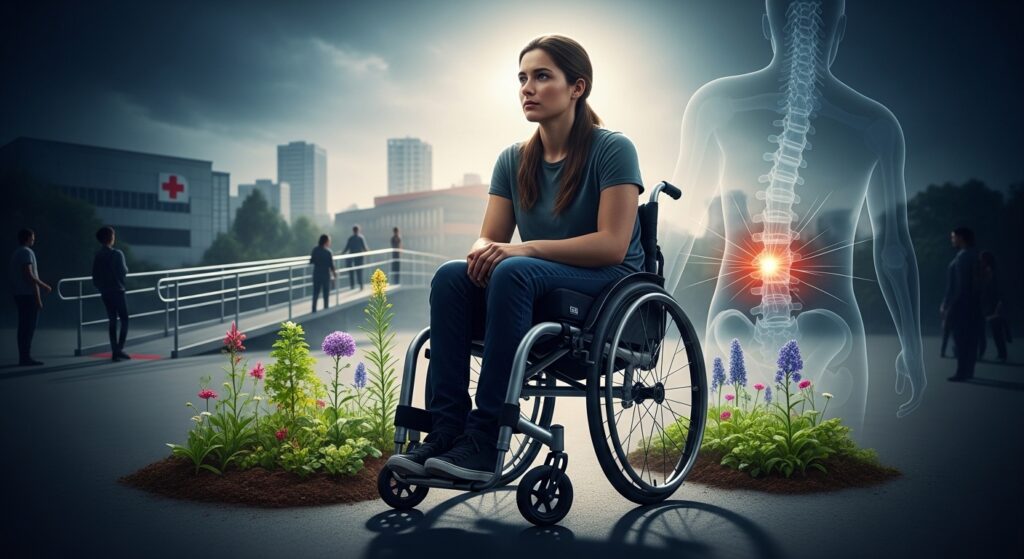
Let us now probe the common causes and the consequences of severe spinal cord injury.
Types and Classifications of Spinal Cord Injuries
The classification and types of spinal cord injuries have vast implications for the course of treatment and recovery. The two primary categories commonly encountered when dealing with spinal cord injuries are complete injuries or incomplete injuries. A complete injury is associated with a total absence of function in the segments below the injury, whereas an incomplete injury retains some bodily functions.
The location and severity of a spinal cord injury largely influence the prognosis and outcome following it. An injury has different consequences if it affects lumbar, sacral, thoracic, or cervical vertebrae.
Understanding terms such as “paraplegia” or “quadriplegia” will help you decide your best course of action when treating your condition. SCI patients soon come to value the doctor, physical therapist, or caregiver with a much greater sense of gratitude as they come through the healing process.
Preventing Traumatic and Non-Traumatic Spinal Cord Injuries
Motor vehicle crashes and workplace accidents are leading causes of SCI, according to Houston spinal cord injury lawyer Tad A. Nelson. In cases where another party is responsible for your injury, hiring a lawyer can help build your case.
Specific preventive measures can prevent the occurrence of SCIs. Seat belts and interior safety equipment while driving are one thing. Other measures involve protective measures in sports participation.
Be responsible during activities such as diving and rock climbing. Ignoring safety measures can put you at risk of sustaining grave spinal injuries.
To cure osteoporosis or any illness apart from trauma, develop exercise regiments along with a balanced diet for a healthy lifestyle.
How Spinal Cord Injuries Affect Daily Life
Life never remains the same after a spinal cord injury. Walking becomes an almost impossible task and makes an individual suffering from spinal cord injuries very dependent on others.
Self-care actions like dressing, cooking, using the bathroom, and so on now require a monumental struggle. Getting around is also difficult. Using a car may require modifications for paraplegics or quadriplegics. The use of public transportation may suddenly become challenging.
You may have to confront new issues with accessibility and rethink how you approach friends and family.
Changes in work responsibilities may arise. The victim will sometimes be forced to identify and pursue a new career path, especially if his or her work duties cannot possibly be accomplished as a result of the spinal cord injury.
Emotional and Psychological Impacts of SCIs on Individuals and Families
Emotional and stressful situations are usually felt by a person during the early days of a spinal cord injury. Anger, melancholy, and frustration will inevitably be the feelings felt as one deals with SCIs.
For most patients, who typically feel isolated and alone, anxiety or depression can arise. Their caregiver’s stress and emotions only worsen their feelings.
Increased communication challenges add to the difficulties that an unfortunate SCI victim faces to correctly express their needs and emotions.
How to Cope and Rehabilitate After a Spinal Cord Injury?
Individuals after a spinal cord injury require a comprehensive program where both physical treatment and spiritual healing are accompanied. The first step involves setting some achievable goals. Focus on setting up some ways to think practically and go about your onward advancement. Religiously follow a rehabilitation plan to assist with strength and mobility recovery.
Another important aspect to address is the emotional side of your suffering. Undergoing therapy or other creative supportive activities can lift a heavy burden from your broken body.
Do not be afraid to test out adaptive devices that can assist in the improvement of one’s lot in life. It might take time, but things will get better as long as you follow your doctor’s advice.
Understanding the spinal injury from the victim and his family is important since it results in overwhelming agony.
With present-day advancements and insights into spinal cord injuries, a chance for improvement in life experiences may be ahead. Recent medical discoveries show that, under a prior background, posttraumatic mental development can evidently be achieved even if supported by proper postinjury follow-ups of rehabilitative services and aid. Direct and effective early intervention services make all the difference.
