
Government Vehicle Accidents: New 2026 Reporting Requirements
Accidents involving government vehicles follow a complicated legal process that can confuse drivers used to regular insurance claims. This complexity arises from “sovereign immunity,” which means you can’t sue the government unless it permits you to. This permission comes through the Tort Claims Acts, which have become stricter by 2026, creating more hurdles for victims.
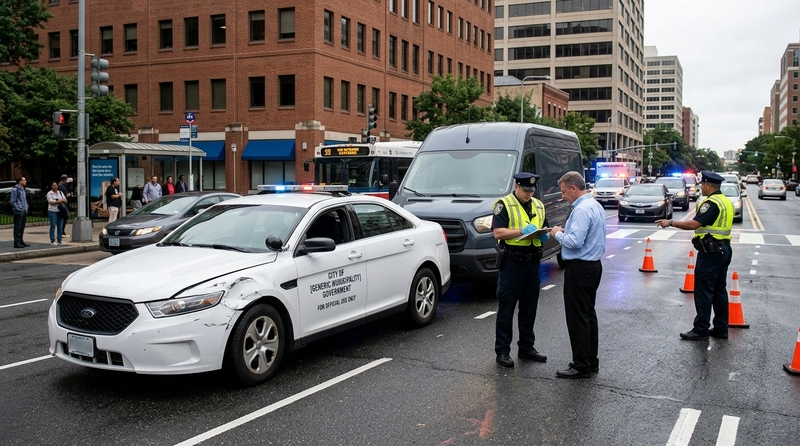
To navigate this process, you need more than a police report; you must understand frequently changing federal and state codes. If you’ve been hit by a municipal truck, federal van, or state SUV, consult the Gorospe Law Group to protect your rights. Their expertise is crucial in 2026, as new rules have increased the chances of mistakes and raised the technical requirements for filing a proper “Notice of Claim” against public entities.
The 2026 Landscape for Government Fleet Liability
In 2026, managing government fleets has changed significantly. Public vehicles, such as postal trucks and waste management vehicles, now use advanced technology and safety systems. While these tools aim to reduce accidents, they also change how claims are resolved. Liability involves looking at digital data from sensors and maintenance logs monitored by federal regulations.
For victims, the first step is identifying which government branch owns the vehicle. Many fleets are shared between local and state agencies or run by private companies. Confusing a city vehicle with a county one can lead to submitting paperwork to the wrong office, risking dismissal of claims before reaching court. Proper identification at the scene is essential for legal action.
Streamlined Reporting under the Federal Tort Claims Act (FTCA)
On January 15, 2026, the Federal Tort Claims Act (FTCA) was updated to streamline processes and change 15 CFR Part 2. You now must file claims with the Assistant General Counsel for Finance and Litigation instead of general agency offices. If you send your claim to the wrong department, it will be recorded, but your deadline will not be extended.
The updates also set specific digital standards for evidence submission. You must provide a definite dollar amount for your damages up front, and this amount cannot be easily changed. If your claim doesn’t meet the required format or lacks documents like medical bills and proof of lost wages, the agency can deny your claim without addressing the actual negligence.
Oklahoma-Specific Deadlines and the GTCA
In Oklahoma, the Governmental Tort Claims Act (GTCA) is strict for those injured in public vehicle accidents. You have only one year to file a “Notice of Claim” after the accident, unlike the two years for suing a private person. Starting in early 2026, courts have confirmed this one-year deadline is strict with almost no exceptions.
After filing, the government has 90 days to approve or deny your claim. If they don’t respond, your claim is automatically denied. Then, you have a limited time to file a lawsuit. This process aims to filter out claims before they reach a jury, making it vital to have a legal team that manages these deadlines carefully.
The Impact of New NHTSA Digital Reporting Orders
In 2026, the National Highway Traffic Safety Administration (NHTSA) updated its Standing General Orders to focus on real-world crash data for vehicles with advanced driver assistance systems (ADAS). Government agencies must now report severe crashes—those involving hospital transport, fatalities, or airbag deployment—within five days, creating an official record right after the incident.
This is a mixed blessing for victims. It provides data on speed, braking, and throttle position that can show government driver negligence. However, strict privacy rules require redactions before the public can access this information. Victims may need legal help to secure critical evidence during the first weeks after the crash.
Liability in the Age of Autonomous Government Fleets
The rise of semi-autonomous government vehicles has created a new type of “software liability” in traffic laws. Starting in 2026, agencies must report if automated systems were active during an accident. If they fail to keep their vehicles updated with required safety patches, they could be liable for negligence instead of just driver error.
To determine fault, experts must check software logs for sensor issues or AI failures to recognize pedestrians. This technical area of law needs input from engineers and data scientists. The 2026 standards require this information in crash reports, but understanding it to win a case requires a complex legal approach beyond standard accident investigations.
Common Pitfalls in Administrative Notice Filing
The main risk in government vehicle lawsuits is treating them like regular insurance claims. Strictly follow the 15 CFR and GTCA rules, as mistakes can lead to losing your right to claim damages.
- Treating it Like a Private Claim: Unlike private insurance where negotiation can continue until the statute of limitations, government cases require a formal “Administrative Notice” long before a lawsuit can be filed.
- Missing Filing Deadlines: Victims often wait for adjusters who never call. By the time they realize no one is negotiating, the strict window for filing the mandatory notice has often closed.
- Overlooking Joint and Several Liability: When a vehicle belongs to a regional trust or multiple agencies, failing to file notices with each participating entity can jeopardize your recovery.
- Misidentifying the “Political Subdivision”: Following 2026 updates, the definition of a political subdivision has broadened. Failing to conduct a thorough ownership search to identify every responsible party is a frequent and fatal error.
- Formal Notice Non-Compliance: Even if you speak with an official, it does not count as “notice.” You must follow the exact statutory format and delivery methods prescribed by the GTCA to preserve your claim.
Securing Compensation against Government Entities
Getting a settlement from a government agency can be a long process. Even if they are at fault, they enforce limits on how much money they will pay—known as damage caps—to limit their financial risk. In 2026, these caps are still an issue, and overcoming them requires proving that their negligence was serious or involved multiple failures in policies and vehicle maintenance.
The new reporting rules have made the process more technical but also provide more ways for victims to seek accountability. By using required digital logs and strict deadlines, victims can challenge the government’s immunity from lawsuits. With appropriate legal help, you can hold public agencies to the same safety standards as any other driver and ensure you receive the support you need for your recovery.
