
Hit and Run in North Carolina: Penalties and What to Do
Most hit and run cases begin with a sound. A scrape in a parking deck, a thud on a dark two-lane road, the crack of a mirror somewhere along a row of parked cars. What the driver does in the next sixty seconds usually determines whether the incident stays an insurance matter or turns into a criminal charge that follows them for years.
North Carolina law never actually uses the words hit and run. The statute is titled duty to stop, and it grades the offense from a Class 1 misdemeanor all the way up to a Class F felony depending on what the driver knew and who got hurt. Those distinctions carry real weight, which is why these cases end up with criminal defense attorneys rather than insurance adjusters. Manning Law Firm, a father and son criminal defense practice in Raleigh with more than 40 years in the Wake County courts, handles both traffic and criminal charges, and hit and run sits exactly where those two worlds meet: part crash case, part criminal case, with a driver’s license caught in the middle.
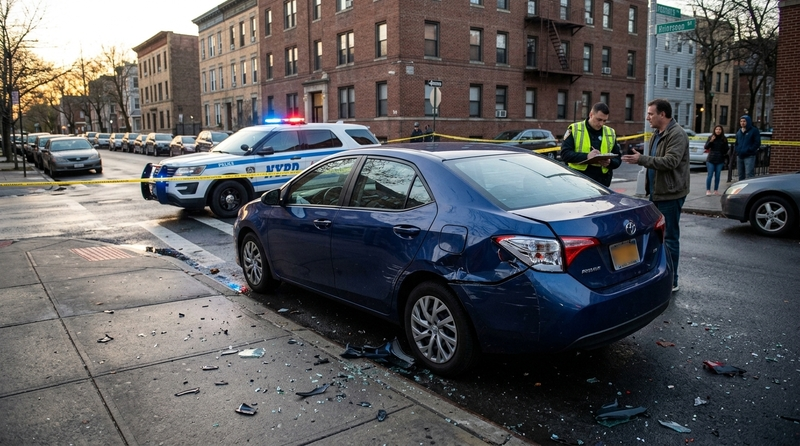
What North Carolina’s Duty to Stop Law Requires
The controlling statute is N.C.G.S. 20-166, and it asks more of drivers than most people realize.
A driver involved in a crash must stop immediately at the scene and remain there, with the vehicle, until a law enforcement officer finishes the investigation or gives permission to leave. The driver cannot move the vehicle or let anyone else move it, except to call police, to get medical help, or to escape a genuine danger, and a driver who leaves for one of those reasons has to come back within a reasonable time. The driver also has to hand over name, address, driver’s license number, and plate number to the people involved, and render reasonable assistance to anyone injured, which includes calling for medical help when it is obviously needed.
Two details surprise people. First, fault is irrelevant. The duty applies to any driver involved in the crash, including the one who got hit. Second, there is a practical carve-out for minor wrecks: when nobody appears hurt and both cars can be driven normally, the law expects drivers on a highway to move out of the travel lanes to the shoulder or a designated site. Pulling off the road to exchange information is compliance, and confusing it with fleeing is a mistake nobody needs to make.
When Leaving the Scene Is a Misdemeanor
The baseline offense covers crashes that caused only property damage, or that caused an injury the driver neither knew about nor had reason to know about. Willfully failing to stop and remain in that situation is a Class 1 misdemeanor, which in North Carolina can mean up to 120 days of confinement depending on prior record, along with fines and court costs.
The information duties have their own teeth. Hitting a parked and unattended car does not excuse a driver from the statute; it changes the mechanics. The law requires giving the identifying information to the nearest available officer, or leaving it in a note placed conspicuously on or in the damaged vehicle and completing the required follow-up report within 48 hours. Damage to a guardrail, utility pole, or similar fixed object can be reported to the nearest officer or by written report to the Division of Motor Vehicles within five days. Skipping any of these steps is a separate Class 1 misdemeanor, even for a driver who technically stopped.
When It Becomes a Felony
The charge escalates with the harm and with what the driver knew.
If the crash caused an injury the driver knew or reasonably should have known about, leaving the scene is a Class H felony. At the top of North Carolina’s sentencing grid, a Class H felony can carry up to 39 months.
If the crash caused serious bodily injury or death, leaving is a Class F felony, with exposure of up to 59 months at the top of the grid. And in death cases the statute goes a step further: it directs the court to sentence in the aggravated range, taking the more lenient options off the table before the hearing even starts.
There is one more trap worth knowing. A driver who stops after an injury crash but fails to provide the required information or render reasonable assistance commits a separate Class 1 misdemeanor. Stopping is necessary; standing there silently is still a crime.
Your License Is on the Line Too
Beyond jail exposure and fines, N.C.G.S. 20-166 builds license revocation directly into the offense.
A conviction of the Class F felony brings a four-year revocation, with the ability to apply for a new license after three years. If the crash caused a death, the revocation is permanent, and an application for a new license is possible only after seven years. A conviction of the Class H felony, or of failing to give information and assistance, brings a one-year revocation that a judge can extend to two. For a first conviction of those less serious offenses, the court has discretion to allow a limited driving privilege so that work and household driving can continue during the revocation.
For most working adults, the license consequences end up mattering as much as the criminal sentence, and sometimes more.
The Whole Case Often Turns on What the Driver Knew
Every version of this offense contains the same phrase: the driver knows or reasonably should know. For the misdemeanor, that knowledge concerns the crash itself. For the felonies, it extends to the injury.
That language does a lot of work in real cases. A driver on a dark rural road who believed the impact was a deer or road debris, a low-speed contact that left no visible damage, a crash the driver honestly did not perceive: these are not fanciful scenarios, and prosecutors have to prove the knowledge element beyond a reasonable doubt. The defense side of these cases tends to focus on physics and perception: damage patterns, lighting, speed, sound, and what a reasonable person behind that wheel would actually have noticed.
If You Left the Scene and Regret It
Panic is human, and a surprising share of these cases involve drivers who fully intended to do the right thing and simply did not do it in the moment. What happens next still matters.
The single most useful move is talking to a criminal defense lawyer before talking to anyone else, ideally the same day. Statements made to officers in a state of panic are permanent, and they are the most common self-inflicted wound in hit and run files. Counsel can manage contact with investigators, handle any reporting duties that still apply, and engage with charging decisions while they are still decisions.
One more thing: resist the urge to quietly repair the car. A freshly fixed bumper tells its own story, and it is rarely a helpful one.
If Someone Hit You and Drove Off
The statute also shapes what victims should do, and the first minutes matter on this side too:
- Stay put and stay safe rather than chasing the other car
- Note the plate, vehicle description, and direction of travel if you can do so safely
- Call the police so the crash is documented while the scene is fresh
- Photograph the damage and the location, and look for witnesses or nearby cameras
- Notify your insurer promptly, since uninsured motorist coverage commonly applies when the other driver is never identified, and policies carry their own reporting deadlines
A documented crash gives both the police and your insurance company something to work with. An undocumented one tends to become your word against silence.
Frequently Asked Questions
Sometimes. Leaving a crash that caused only property damage is a Class 1 misdemeanor. Leaving a crash that caused an injury the driver knew or should have known about is a Class H felony, and leaving one that caused serious bodily injury or death is a Class F felony, with aggravated-range sentencing required when someone died.
Knowledge is an element of the offense. The state has to prove the driver knew or reasonably should have known about the crash, and for the felony versions, about the injury. A genuine lack of knowledge is a real defense; whether it holds up depends on the physical evidence, from damage patterns to lighting and speed.
Speak with a criminal defense lawyer before you speak with law enforcement, and do it quickly. Some reporting obligations can still be satisfied, early contact through counsel can influence how the case gets charged, and unscripted statements made in the first wave of panic tend to cause the most damage later.
Provide your name, address, driver’s license number, and plate number to the nearest available officer, or leave that information in a note placed conspicuously on or in the vehicle and complete the required follow-up report within 48 hours. For fixed objects such as guardrails or utility poles, the report can go to the nearest officer or to the DMV in writing within five days.
The statute mandates revocations: four years for the Class F felony, permanent if the crash caused a death, and one to two years for the Class H felony or for failing to give information and assistance. After a first conviction of the less serious offenses, a judge may allow a limited driving privilege during the revocation.
