
What to Do in the First 48 Hours After a Motorcycle Crash: A Rider’s Recovery and Claims Guide
Quick Answer
The first 48 hours after a motorcycle crash shape both your recovery and any claim. Get medical care right away, even if you feel fine, since adrenaline hides serious injuries. Call the police and get a report. Photograph the scene, your bike, and your gear. Collect witness contact details. Notify your insurer quickly, and write down everything you remember while it’s fresh.
Introduction
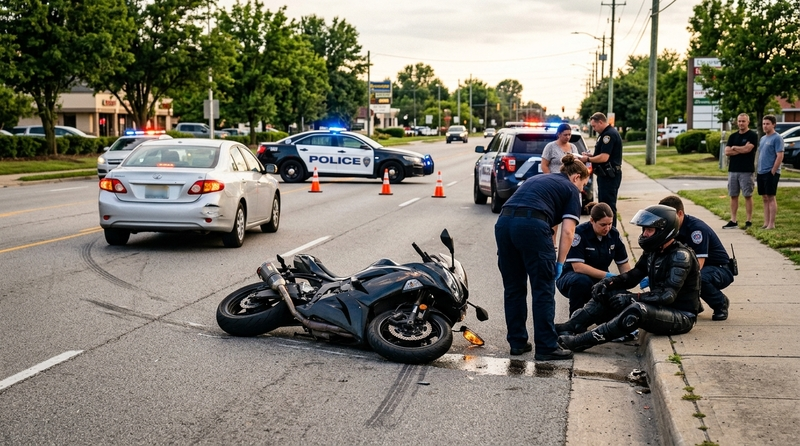
One moment you’re upright and riding home. The next, you’re on the pavement, ears ringing, trying to figure out what just happened. A motorcycle crash scrambles your sense of time, and the two days that follow can feel like a blur of pain, phone calls, and paperwork you never asked for.
Those early hours carry real weight, though. What you do now protects your health and quietly builds the foundation for any compensation you might seek later. If another driver caused the wreck, a skilled motorcycle injury lawyer can help you make sense of your options once the dust settles. First, you need to get through the immediate aftermath the right way.
This guide walks you through each step, in plain language, so nothing important slips through the cracks.
What to Do After a Motorcycle Accident in the First Hours
The scene of a crash is chaotic, and your body is flooded with adrenaline that masks pain. That rush is exactly why riders sometimes wave off help, only to discover a fractured wrist or a concussion hours later. Working through a clear set of actions keeps you safe and preserves the proof you may need down the road.
See a Doctor: Common Motorcycle Accident Injuries Hide at First
Your health comes before anything else on this list. Ride in the ambulance if paramedics offer, or head to the nearest emergency room the same day. Some of the most common motorcycle accident injuries stay hidden at first, then surface once the shock wears off:
- Head trauma and concussions — confusion, headaches, or nausea that can point to a brain injury needing imaging
- Road rash — deep skin abrasions that invite infection if left untreated
- Fractures — breaks in the arms, wrists, ribs, or legs, often from bracing during a fall
- Internal bleeding — abdominal pain, dizziness, or bruising that signals organ damage
A doctor’s visit does double duty. It catches problems early, and it creates a medical record that ties your injuries directly to the crash. Insurers lean hard on any gap between the crash and your first treatment, so seeing someone the same day closes that door.
Document the Scene to Support Proving Fault in a Motorcycle Crash
If you’re steady enough to move around, gather what you can before vehicles are towed and memories fade. Should your injuries prevent this, a friend, family member, or bystander can help.
| What to Capture | Why It Matters |
| Photos of both vehicles, the road, and skid marks | Shows position, speed, and point of impact |
| Pictures of your gear and injuries | Documents the force of the crash |
| Names and numbers of witnesses | Independent accounts carry weight if the fault is questioned |
| The other driver’s licence and insurance details | Needed to move any claim forward |
| Road, weather, and lighting conditions | Explains the hazards that contributed to the wreck |
Careful Words and the Police Report
Words spoken in the heat of the moment can shape your case long after the bruises fade. A simple “I’m sorry” or “I didn’t see them” may sound polite, but an adjuster can twist it into an admission. Stick to plain facts when you talk to police, and skip any guesses about who was to blame.
Reporting the crash to the authorities is not optional in most of Canada. In many provinces, damage above a set dollar figure legally requires a police report, and that official document becomes the backbone of proving fault in a motorcycle crash. Ask how to obtain a copy once it’s filed.
Hang on to your damaged helmet, jacket, boots, and the bike itself, too. Don’t repair or toss anything yet. That battered gear can reveal both the severity of the impact and, in some cases, a defect that played a role. With your health addressed and your evidence secured, attention turns to the days that follow.
How to File a Motorcycle Injury Claim After the Crash
Once you’re home and patched up, a fresh set of tasks begins. The clock is already ticking on several deadlines, and handling them properly keeps your options open. This stretch is where careful habits pay off.
Insurance Deadlines Every Canadian Rider Should Know
Canadian insurance rules move faster than most riders expect. Provinces differ, but the pattern is similar across the country, and missing a cut-off can shrink or erase your benefits.
- Notify your insurer within about a week — many provinces require prompt notice, sometimes as little as seven days, to access accident benefits.
- File your benefits application on time — a formal claim form often follows within roughly 30 days
- Know the lawsuit window — most provinces set a two-year limit to start legal action against an at-fault driver.
Because these timelines vary by province, jot down the dates that apply where you live and treat them as firm.
Records That Strengthen Your Injury Claim
Understanding how to file a motorcycle injury claim starts with organized records. Insurers pay based on what you can prove, so save everything, even receipts that seem trivial.
- ER records, imaging results, and specialist notes
- Prescription and medical device receipts
- Mileage and travel costs for appointments
- Pay stubs showing income lost to missed work
A simple daily journal helps as well. Note your pain levels, mobility struggles, and how the injuries affect ordinary tasks. This running log becomes powerful support when your losses are tallied.
The Motorcycle Accident Settlement Process Starts With the Adjuster
An adjuster will likely reach out within days, warm and quick to suggest closing the file. Be honest, but cautious. Share the basic facts and avoid giving a recorded statement or accepting a quick payout before you understand your injuries fully.
Early offers tend to land well below what a claim is truly worth, and once you sign a release, you generally can’t reopen it, even if your condition worsens. Your mental health belongs in the file, too. Anxiety, depression, and post-traumatic stress are common after a serious wreck, and treatment for them is a legitimate part of your recovery. All of this groundwork sets up the longer road ahead.
Protecting Your Recovery and Your Rights
The first 48 hours after a motorcycle crash ask a lot of you at the worst possible moment. The choices you make now ripple far beyond this week, though. Getting checked by a doctor, documenting the scene, guarding your words, and meeting each deadline all work together to protect your body and your future.
Your body heals on its own schedule, often over many months, while the deadline to take legal action can sit for years. The two are connected all the same, and the steps you take today lay the groundwork for both. Understanding the motorcycle accident settlement process early keeps you from settling for less than your situation demands.
This crash wasn’t your fault or your plan, but the next move belongs to you. Take it slowly, lean on the people around you, and give yourself room to heal. The road ahead is still yours to ride.
