
What Happens If You Are Hit by a Drunk Driver in Denver?
Getting hit by a drunk driver turns an ordinary day into something you will spend months, sometimes years, trying to recover from. The injuries are often severe, the insurance process is complicated, and the financial pressure builds fast. Understanding your rights before you need them can make an enormous difference in how much compensation you actually receive.
Colorado ranks among the states with the sharpest increases in alcohol-related crash fatalities over the past several years. According to the National Highway Traffic Safety Administration, drunk drivers account for roughly 30 percent of all traffic deaths in the United States annually, a figure that has remained stubbornly persistent despite decades of enforcement efforts. In Colorado specifically, alcohol-involved fatalities rose 63 percent between 2019 and 2022, one of the steepest increases of any state in the country.
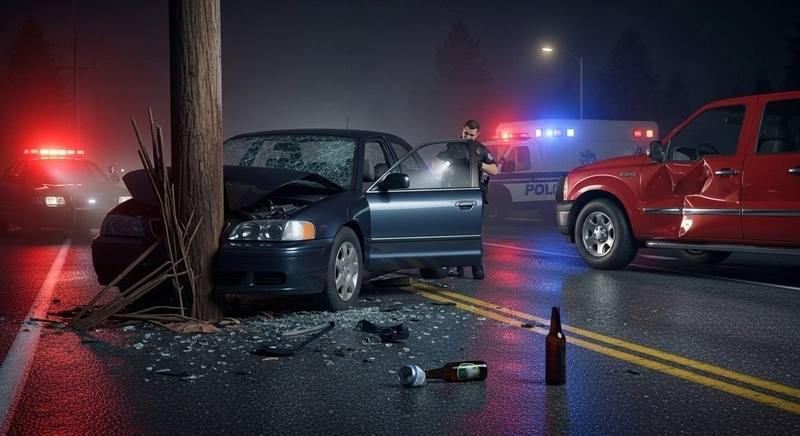
When someone in Denver gets hurt in one of these crashes, the legal path forward involves more moving parts than a standard car accident claim. Unlike a typical two-car collision where one driver’s insurer pays the other’s damages, drunk driving cases often involve multiple liable parties, a parallel criminal proceeding, and legal deadlines that differ from standard personal injury timelines. For a detailed breakdown of how these cases work under Colorado law, Conduit Law’s guide to Denver accident claims covers the process from the initial investigation through settlement or trial.
Your Rights After a Drunk Driving Accident in Colorado
Colorado is an at-fault state, which means the driver who caused the crash is responsible for the damages. When that driver was intoxicated, the case against them is generally stronger because their BAC level, any DUI charges filed, and field sobriety test results all become evidence in your civil claim. A criminal conviction is not required for you to win a civil lawsuit, and in fact the civil and criminal proceedings run on completely separate tracks.
The first practical step after any crash involving a suspected drunk driver is to make sure law enforcement is called to the scene. A police report documenting that the at-fault driver failed a breathalyzer test or was charged with DUI is significant evidence that will follow the case from initial insurance negotiations through any potential litigation.
How DUI Crashes Differ From Standard Car Accident Claims
Most car accident cases are built around negligence, meaning one driver failed to exercise reasonable care. Drunk driving cases carry an additional layer of legal exposure for the at-fault driver: punitive damages.
Under Colorado law, punitive damages are available in cases where the defendant’s conduct was willful and wanton, meaning they acted with a conscious disregard for the safety of others. Choosing to drive after drinking heavily generally meets that standard. When punitive damages are awarded, they are added on top of your compensatory damages, which cover your medical bills, lost wages, and pain and suffering. Courts award punitive damages specifically to punish the at-fault party and deter similar conduct.
This potential for punitive damages changes the settlement dynamics of a drunk driving case. Insurance adjusters and defense attorneys are generally more motivated to resolve these cases before trial precisely because a jury that hears about a high BAC and a severe injury may award damages well beyond what the insurance company anticipated.
The Role of the Criminal Case in Your Civil Claim
When a drunk driver is arrested and charged, a parallel criminal case begins in the Colorado courts. That criminal case can produce evidence, including toxicology reports, officer testimony, breathalyzer results, and the driver’s own statements, that becomes useful in your civil claim.
A guilty plea or conviction is particularly valuable because it establishes that the defendant was intoxicated at the time of the crash without requiring you to re-prove that fact in your civil case.
However, a not-guilty verdict in the criminal case does not automatically defeat your civil claim. The burden of proof in a criminal case is beyond a reasonable doubt, while your civil case only requires a preponderance of the evidence, meaning it is more likely than not that the defendant’s intoxication caused your injuries. Those are very different standards.
The timing of your civil case relative to the criminal proceedings requires careful legal judgment. Filing too early can limit access to evidence still being developed in the criminal investigation. Waiting too long creates risks under Colorado’s statute of limitations. An experienced attorney will navigate that timing on your behalf.
Dram Shop Liability: When the Bar or Restaurant Shares Responsibility
One of the most underutilized legal tools in drunk driving cases is Colorado’s dram shop law, which allows injured people to pursue compensation not just from the drunk driver but from the establishment that served them. Under Colorado Revised Statutes section 44-3-801, a licensed alcohol vendor can be held civilly liable for injuries caused by an intoxicated patron if the vendor willfully and knowingly served alcohol to someone who was visibly intoxicated or to a person under 21 years old.
This matters in practice because drunk drivers often do not carry sufficient insurance coverage to compensate for serious injuries. A bar, restaurant, or liquor store that continued serving a visibly intoxicated customer may have commercial liability coverage that significantly increases the total compensation available to you. For a thorough explanation of how Colorado’s dram shop statute works and what it requires, Nolo’s guide to Colorado dram shop and social host liability is a useful starting point.
There are two important limitations to know. First, the statute of limitations for a dram shop claim in Colorado is one year from the date of the injury, which is shorter than the three-year deadline for standard personal injury claims. Missing that deadline forfeits your right to pursue the vendor. Second, damages recoverable from a dram shop defendant are capped at $150,000 under Colorado law, though that amount is on top of whatever you recover from the drunk driver directly and through their insurance.
Identifying whether a dram shop claim exists requires investigating where the driver was drinking, how much they consumed, and whether staff continued serving them despite visible signs of intoxication. That investigation needs to begin quickly, before surveillance footage is overwritten and witnesses become harder to locate.
Dealing With the Insurance Company
The drunk driver’s insurance company will assign an adjuster to your claim relatively quickly. That adjuster’s job, regardless of how cooperative they seem, is to settle your claim for as little as possible. In a drunk driving case, they have a strong incentive to settle before the case gets to a jury, but their opening offer will almost certainly be far below what the case is actually worth.
A few things to keep in mind during those early conversations. Do not give a recorded statement before speaking with an attorney. Anything you say can be used to undermine your claim later. Do not accept any settlement offer before you have reached maximum medical improvement and have a full picture of your long-term medical needs and lost income. And be aware that the insurance company may argue comparative negligence, attempting to assign some percentage of fault to you in order to reduce their payout.
Settlement Ranges in Drunk Driving Cases
Settlement values in drunk driving accident cases are generally higher than comparable cases involving sober drivers, for two reasons. The potential for punitive damages increases pressure on the defense to settle at a higher number, and jurors tend to view drunk driving conduct harshly, which gives plaintiffs more leverage throughout the negotiation process.
For soft tissue injuries treated conservatively, settlements in drunk driving cases typically range from $15,000 to $75,000. Cases involving fractures, disc injuries, or surgeries tend to settle in the $75,000 to $300,000 range depending on treatment extent and recovery. Traumatic brain injuries, spinal cord injuries, and other catastrophic outcomes can produce settlements from $500,000 into the millions, particularly where punitive damages are in play and the defendant’s BAC was substantially above the legal limit. Every case is different, and these ranges are general benchmarks rather than guarantees.
What to Do Immediately After Being Hit by a Drunk Driver
The steps you take in the hours after the crash have a direct effect on the strength of your case.
Call 911 and make sure police respond to the scene. Request a copy of the police report as soon as it becomes available. Seek medical attention the same day, even if you feel you were not seriously hurt. Injuries from alcohol-impaired crashes, including traumatic brain injuries and soft tissue damage, often present symptoms hours or days after the collision. Document your injuries with photographs. Keep records of every medical appointment, prescription, and out-of-pocket expense. Note the names and contact information of any witnesses. Avoid posting about the accident on social media, as insurers monitor those accounts.
Contact an attorney before speaking with the at-fault driver’s insurance company. In a drunk driving case with potential dram shop liability and punitive damages on the table, having legal representation from the start puts you in a fundamentally stronger position than handling early communications on your own.
A Note on Uninsured Drunk Drivers
Drunk drivers are statistically more likely to be driving without insurance or with minimal coverage than sober drivers involved in crashes. If the at-fault driver is uninsured or underinsured, your own policy’s uninsured motorist coverage may provide a source of compensation. Colorado requires insurers to offer UM/UIM coverage, and if you have it, that policy can step in to cover what the at-fault driver’s insurance cannot. A dram shop claim, if applicable, provides another potential source of recovery in these situations.
Drunk driving crashes are entirely preventable, which makes the aftermath particularly difficult to process. Knowing your rights, understanding all the potential sources of compensation available under Colorado law, and working with an attorney who has handled these cases before are the practical steps that give you the best chance at a full and fair recovery.
