
How Road Infrastructure Gaps Affect Auto Liability Risks in Commercial Trucking
America’s freight network rolls across roads that weren’t built for today’s heavier rigs or nonstop traffic. Potholes, crumbling shoulders, low bridges, and endless backups push accident risk higher with every mile. To stay profitable, carriers need a forward-looking safety playbook and liability coverage that tracks those real-world hazards with pinpoint accuracy.
A Highway System Built on Patchwork
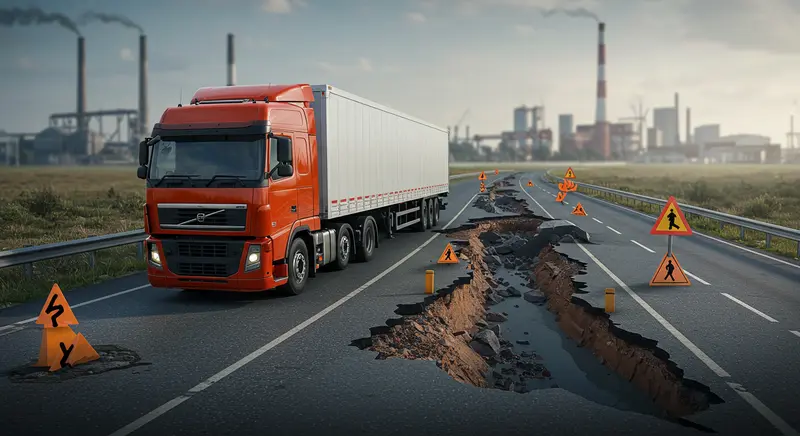
The American Society of Civil Engineers gives the nation’s roads a D+, reporting that 39 percent of major roads are in poor or mediocre condition. These surface flaws lengthen stopping distances, shake suspension parts loose, and create unpredictable steering inputs, each of which can trigger an incident that injures third parties and sparks an Auto Liability claim.
Big fleets run the same freight lanes over and over. Their drivers feel every bump and cracked joint the moment it appears. A new pothole can force a sudden swerve or hard brake, sparking a chain reaction that ends with bent sheet metal and injury claims. Insurers who ignore a corridor’s rough shape miss how often these losses strike and how large they can grow, leaving transportation carriers to cover the gap while they scramble for extra coverage.
Infrastructure’s Quiet Role in Large-Truck Crashes
Road issues play a role in sixteen percent of two-vehicle crashes with large trucks, reports the FMCSA study. A pothole can blow a steer tire, a work-zone jog can push a trailer off line, and debris can smash a windshield. When an eighty-thousand-pound rig hits something, the carrier faces a claim. As a member-owned Risk Retention Group, STAR Mutual RRG enables faster coverage decisions and responsive claims handling through its partner.
Hidden Costs from Congestion and Bottlenecks
Deteriorating interchanges and lane reductions do more than slow schedules, they eat into a trucking company’s bottom line. Congested corridors burn extra fuel, force drivers to sit idle, and raise the odds of a rear-end collision. One chain-reaction crash on a busy freight route can put multiple third-party claims on a carrier’s desk, especially if the load includes regulated materials.
Low-Clearance Bridges and Route Restrictions
Bridge strikes make headlines because they shut highways and damage critical structures, yet the legal fallout can be even costlier. A missed height sign or outdated GPS route can leave a trailer wedged under steel, triggering repair invoices and injury lawsuits. Rules on posted clearances and penalties shift from state to state, so fleets that cross borders need coverage that keeps pace with every permit and filing.
Weather Magnifies Every Weak Spot
Snow, sheets of rain, and scorch-level heat can turn tiny road cracks into serious dangers. In a whiteout, your stopping distance disappears. Black ice hides potholes that can swallow a tire. August sun softens asphalt until it feels like glue. When fog or heavy rain steals visibility, one sudden brake tap can trigger a chain reaction that jams traffic for miles. Since those weather threats change every season, coast-to-coast fleets should check their liability limits yearly to make sure coverage still matches the risks they run.
Practical Steps That Cut Liability Exposure
Insurance pays the bills when something goes wrong, but preventing that something is almost always cheaper. Fleets that want to keep premiums low and trucks rolling lean on a handful of proven habits:
- Put telematics on scout duty: Flag rough stretches and guide drivers toward smoother lanes whenever possible.
- Service early, not late: Check tires, suspension, and brakes ahead of schedule so pavement damage never gets the upper hand.
- Master the crawl: Teach drivers to inch through work zones and tight yards where one bump can cost thousands.
- Verify every mile: Confirm bridge heights, weight limits, and tight turns before a truck leaves the yard.
- Aim higher on liability limits: Price coverage for today’s mega verdicts, not yesterday’s state minimums.
These habits trim crash counts, protect cash flow, and show underwriters that safety is more than a slogan.
Case in Point: California
California combines aging pavement with nonstop traffic, and the bill lands on carriers. Road wear, delays, and crash repairs siphon billions from drivers and businesses each year. States with heavy freight lanes such as Texas, Michigan, and Pennsylvania face the same headache. A single jackknife caused by a pothole can erase a small fleet’s profit for years. Fleets that join a mutual model keep more cash on hand because premiums match real loss experience instead of shareholder targets. That extra capital funds better equipment and lowers the odds of the next claim.
The Bottom Line
Highways will not heal overnight. Until they do, carriers must steer through potholes, bottlenecks, and weak bridges with constant vigilance. Routine maintenance, data driven routing, and sharp driver coaching cut crash risk, yet only strong Auto Liability coverage shields the balance sheet when the pavement gives way. With quick underwriting, multistate access, and policyholder ownership in one place, STAR Mutual RRG keeps fleets moving on the nation’s aging but essential roads.
