
How Safe Is the Tesla Cybertruck? A Legal and Personal Injury Perspective
Tesla’s long-awaited Cybertruck has hit the roads, sparking intense debate about its futuristic design, stainless steel exoskeleton, and how it stacks up in terms of safety. While many buyers are drawn to its eye-catching appearance and unique persona, others, including lawyers, insurers, and safety advocates, are raising important questions: Just how safe is the Cybertruck? What are the liability implications in an accident? And how does it compare to other top trucks like the Ford F150 and Rivian R1T.
Crashworthiness: What We Know
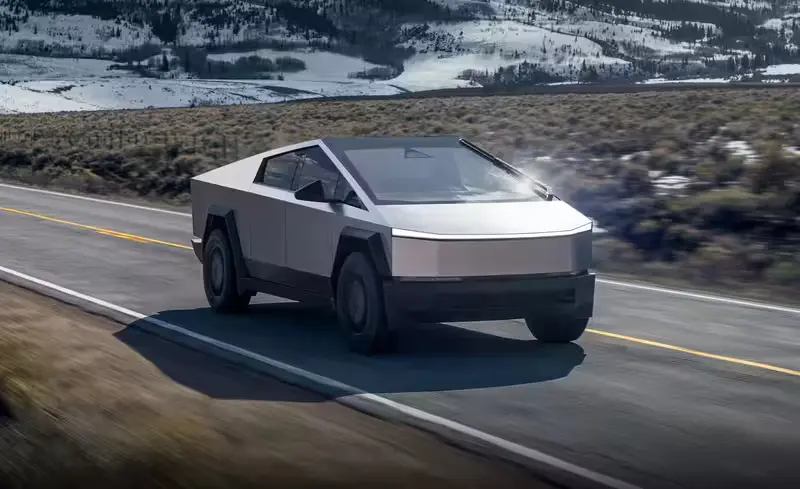
Tesla reports that the Cybertruck has achieved a 5 star overall safety rating in federal crash testing conducted by NHTSA, matching the Ford F150 Lightning and surpassing many rivals. The structure, made from ultra hard 30X cold rolled stainless steel, offers remarkable cabin protection, with the rigid exoskeleton helping maintain structural integrity during collisions. However, experts warn that this same rigidity could be dangerous to others on the road.
Unlike the Rivian R1T, which earned a Top Safety Pick Plus from IIHS for excellent performance in new crash tests, the Cybertruck has yet to be evaluated by IIHS. That said, early crash footage from Tesla suggests impressive resilience in frontal and side collisions, aided by advanced crumple zones and a low center of gravity.
Cybertruck Safety Features and Advanced Tech
The Cybertruck includes Tesla’s full suite of driver assist technologies, such as Automatic Emergency Braking, lane keeping assist, and the highly publicized (and controversial) Autopilot system. These systems have been linked to a lower crash rate per mile driven, though they have also been central in lawsuits following accidents where drivers allegedly misused or misunderstood the tech.
By contrast, the Ford F150 includes Ford’s BlueCruise, which limits self driving to specific highways and includes more robust driver monitoring. Rivian’s Driver Plus suite also offers solid assistance features without marketing the system as “self driving,” reducing potential legal gray areas.
Legal and Liability Considerations for Cybertruck Drivers
From a legal standpoint, the Cybertruck introduces new challenges. Its angular, rigid body may inflict greater harm on pedestrians and smaller vehicles in the event of a crash. In Europe, pedestrian safety regulations would likely prevent the Cybertruck from being road legal in its current form. In the U.S., however, there are no such federal requirements.
This opens the door for potential personal injury claims. If a Cybertruck causes severe injury due to its stiff design, plaintiffs may argue the vehicle’s structure contributed unnecessarily to their harm. Product liability claims could arise if it is shown that Tesla ignored safety norms in pursuit of design.
Additionally, any crash involving Tesla’s Autopilot may bring shared liability into question. Was the driver negligent for misusing the system, or is Tesla liable for how it marketed the software? Several ongoing cases will help shape the answer, but for now, Cybertruck owners may find themselves in a murky legal zone.
Real World Tesla Cybertruck Incidents and Repair Issues
There have already been high-profile accidents involving the Cybertruck, including at least one fatal crash in late 2024. While early reports attributed that accident to excessive speed, the event highlighted the vehicle’s mass and rigidity, features that, while protective for occupants, can be catastrophic for others.
The Cybertruck’s unique materials also present repair and insurance challenges. Body repairs may be costlier due to the steel panels, and insurance premiums may reflect the higher risk of damage to other vehicles and pedestrians. This could influence personal injury settlements, especially in multi-vehicle crashes.
Cybertruck Owner Motivations: Style Over Safety?
Interestingly, many Cybertruck buyers are motivated more by the vehicle’s bold styling and brand identity, such as custom PPF wraps, than by its safety record. Online forums and early adopter testimonials show that owners often view the truck as a statement piece, a way to stand out from the crowd. For these drivers, personal differentiation sometimes trumps concerns about liability or crash outcomes.
That creates an unusual dynamic: owners of one of the most physically imposing vehicles on the road may not be fully aware of the responsibility, or the potential legal exposure, that comes with it.
Summary of Tesla Cybertruck Safety & Liability
The Tesla Cybertruck is undeniably a technological and design marvel. But while it offers superior crash protection for its occupants, its rigidity, mass, and driver assistance systems introduce a complex web of liability concerns. As regulators, lawyers, and insurers catch up to this next generation of vehicles, Cybertruck owners should think carefully, not just about how the truck looks, but about how it performs in a legal context. Because in the world of personal injury law, it’s not just about surviving a crash, it’s about who pays when others don’t.
