
How to Get Approved for a Car Loan After a Total Loss? 4 Steps To Know
If your vehicle ever gets into an accident and gets a huge loss, then it might be challenging for you financially and particularly emotionally. You might be in dead water and may find implications in your existing car loan. Not only that, securing a new car loan will become more difficult. In this comprehensive article, you will understand how to get approved for a car loan after a total loss:
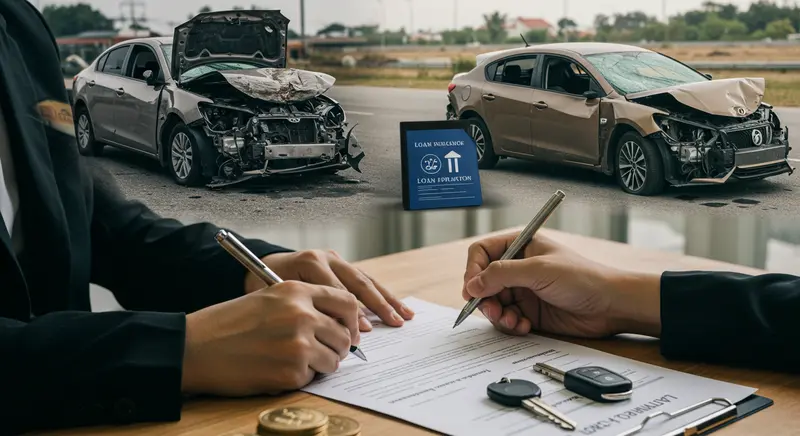
What Does “Total Loss” Mean for Your Car and Loan?
A vehicle is considered as “total loss” when its repair cost exceeds its actual cash value (ACV) or when it can’t be restored or repaired to its condition before the accident. In most cases, insurance companies are only willing to pay or compensate for the vehicle’s actual cash value.
However, if your insurance payout is not able to fully cover your remaining loan balance, then you become responsible for the difference. In such a situation, gap insurance comes in — it covers the shortfall between your car’s actual cash value and what you still owe.
How Does a Total Loss Affect Your Credit and Loan Eligibility?
A total loss never directly impacts your credit score or your eligibility to get a future car loan. In case, your insurance settlement amount does not fully pay the entire lease amount owed, or any delayed car loan payments, it will surely impact your credit score too.
Even the smallest delinquency in making payments late, can become a hurdle in your future financing. Therefore, you should always make loan payments timely on any remaining car loan balance to keep your credit profile healthy. Car loan debt lenders assess your credit score profile and payment history before giving new loans — they look for any lapses in payments. However, there are some lenders that specialise in bad credit car loans like Azora and will provide individuals with poor credit a chance with flexible loan options.
4 Steps on How to Get Approved for a Car Loan After a Total Loss
If the insurance company declares and puts your car into the “total loss” category, then securing a new car loan will not be easy. Particularly if you already owe an amount to a lending bank or company on that totaled vehicle. However, you can improve chances of loan approval and get back on the road with a new car.
1. Check Your Insurance Payout and Loan Balance
Before applying for a new car loan, you need to assess your financial position by comparing your insurance payout and remaining loan balance, such as:
- Insurance Settlement: After a total loss, your insurer will offer a compensation payout based on your car’s actual cash value at the time of the accident, not the actual factory price. However, if there’s a gap in insurance amount and vehicle cost, you will need to settle the remaining balance to avoid any impacts on credit score.
- Loan Deficiency: If your insurance pays a certain amount, which is less than what you owe to the bank, then you’re responsible for the deficiency in the remaining balance, and need to settle it. In some cases, lenders allow their customers to transfer this loan balance into a new loan.
2. Improve Your Credit Score Before Applying!
As you already know, credit score is everything you’ve got when it comes to determining interest rates and eligibility to get higher amounts of loans. Hence, it is another way on how to get approved for a car loan after a total loss. For instance, someone with a lower credit score is more likely to have higher APRs and possibly more chances of loan denials.
Henceforth, if your credit score is low, you can improve and increase your chances of loan approval just by taking small actions such as:
- Check Your Credit Report: First and foremost, you need to obtain a credit report from any credit score evaluating platform (such as free-service providers like Experian, Equifax, or TransUnion) in order to see any outstanding debts.
- Pay Down Existing Debt: You need to immediately lower your credit utilization ratio to at least below 30% and start making all remaining payments on-time, which will also improve your score.
- Avoid Hard Inquiries: If you keep putting multiple credit applications at different banks, this will also temporarily lower your score. Therefore, refrain from new credit inquiries before applying for an auto loan.
3. Save for a Larger Down Payment
You need to start saving a certain amount from your income for your upcoming car loan. For instance, you make $1000 a month, so you need to put $200 aside for a down payment. A larger down payment reduces the bank’s risk and makes it easier to qualify for a car loan. However, some of the other benefits of a down payment are:
- Lower Monthly Payments: You will have reduced the financed amount, which means affordable payments and less APR.
- Better Loan Terms: If you pay a large down payment, lenders are more likely to offer lower interest rates for car loans.
- Easier Approval: Even though, if you have a lower credit score, a larger down payment will increase your chances of getting approved.
4. Find a Lender That Specializes in Post-Total Loss Auto Loans
After you get a total loss against your vehicle, not all lenders will accommodate you with financing issues. So, you need to find those lenders who are specialized in providing post-total loss auto loans, such institutions are:
- Credit Unions & Community Banks: These financial institutions are more flexible when it comes to loan terms and lower interest rates.
- Subprime Auto Lenders: If your lower credit score is below 600, there are bad credit auto loan lenders that will approve financing, although at higher interest rates.
- Online Auto Loan Marketplaces: You can check with Auto Credit Express, Carvana, and MyAutoLoan, which will help you connect with multiple lenders.
Best Loan Options for Financing a Car After a Total Loss
Traditional Banks are the financial institutions that typically offer a wide range of auto loan products with a strict lending criteria — which is mostly perfect credit score. They have the least competitive interest rates.
On the other hand, Credit Unions are the member-owned financial cooperatives. They mostly provide car loans at lower interest rates and more personalized service compared to traditional banks. Not only that, their lending criteria is flexible and they do consider individual circumstances rather than relying solely on credit scores.
Now comes the question, which is Better? Credit unions are definitely more favorable for you due to their member-centric approach and competitive rates.
Subprime Auto Loans – Are They Worth It?
Subprime Auto Loans are like a double-edged sword, which is primarily designed not to let low credit scores borrow anywhere else. These loans are mostly offered by banks to those who have low credit scores or limited credit histories.
You can consider them at the end when you do not have access to any financing that might otherwise be unavailable. However, these loans certainly have their drawbacks — such as higher interest rates and fewer term options.
Are they worth it? They might be your opportunity to secure necessary transportation and potentially rebuild credit through consistent payments. But, the downside is relatively higher interest rates and shorter loan terms.
Common Challenges and How to Overcome Them!
You might find yourself in hot waters when selling a totaled car or dealing with negative equity without knowing how to get approved for a car loan after a total loss. But, you need to understand your options and financial tools, like gap insurance and loan refinancing — which greatly help you overcome your financial burden.
What to Do If You Still Owe Money on Your Totaled Car?
- Negotiate with the Lender: You can contact lenders who offer payment plans or debt settlement options and discuss a potential solution.
- Use Gap Insurance: If you have gap insurance, you can use it to cover the difference between your insurance payout and the remaining loan balance.
- Roll the Balance into a New Loan: If you plan to finance another car, only some banks are willing to roll the negative equity into a new loan.
- Pay Off the Balance Directly: If you have savings, you can simply pay off the remaining amount in one lump sum.
How to Get a Car Loan with Negative Equity from a Total Loss
- Go For a Larger Down Payment: You can go for a larger down payment on your next car, which will help get rid of the negative equity and lower your overall loan amount.
- Look for Special Financing Options: You can see lenders that specialize in loans for individuals with negative equity.
- Choose a Less Expensive Car: You can opt for a more budget-friendly car that will reduce the amount you need to finance.
Conclusion
If you really want to know how to get approved for a car loan after a total loss? You can start thawing the ice for your next car loan by settling any remaining loan balance against your social security number. Afterwards, understand the insurance payout against the total loss and the insurance gap. Plan to pay the remaining gap with some savings or ask the lender to put that amount into your next loan.
