
How to Maintain Your Car: Essential Tips for Longevity & Performance
Are you a new car owner and searching for how to maintain your car and what are the benefits of doing so? Maintaining your vehicle properly and efficiently is paramount for optimal performance, and longevity. Apart from enhancing the overall performance and extending its service life, regular car maintenance also increases its durability and helps prevent wear and tear.
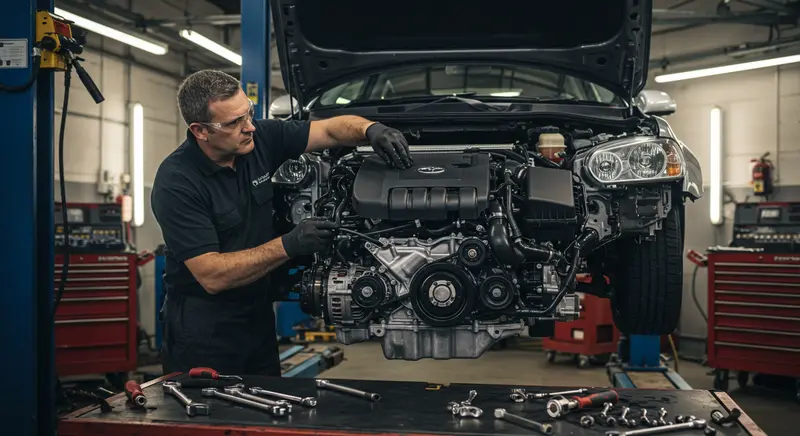
Car maintenance allows you to identify any minor issues or potential problems to prevent costly repairs and save time. Besides, it also helps to maintain the resale value of your vehicle and attract potential buyers. In this article, there is everything you need to know about how to maintain your car properly to increase its reliability and efficiency.
How to maintain your car? Regular Car Maintenance Checklist
Below, we have carefully curated a list of all essential car maintenance services and routine checks that you should perform regularly to keep your car in excellent condition:
- Changing Engine Oil & Fluid Levels: Check and maintain fluids levels including the engine oil, power steering fluid, transmission fluid, coolant, windshield washer fluid as well as brake fluid to avoid car malfunction. The engine oil smoothens the moving parts for optimal functioning. It also reduces friction and heat generation. Therefore, it is important to know your car’s oil type based on the model and vehicle make and change engine oil consistently.
- Replace Air Filters: Check the air filter for fuel efficiency and optimal performance. A clean air filter is necessary for the engine to properly get the air-fuel mixture. Usually, the air filter is located near the engine in a black box. If the air filter is dirty or the light does not pass through it, then replace it with a new air filter.
- Monitor the Tires: To ensure your safety, and extend the lifespan of the tires, proper tire maintenance is necessary. Check the tire pressure with a tire pressure gauge and tread depth to prevent damage or wear. It is best to check the manual or door jamb on the side of the driving seat to find the recommended levels given by the manufacturer. Moreover, you should do tire rotation regularly after approximately 7,500 miles or so.
- Check Battery: Always check and replace the battery if necessary to avoid corrosion and damage as well as ensure that all cables of the battery are connected tightly.
- Inspect Belts & Hoses: Ensure the belts are not cracked or frayed and check the hoses are leakage-free and have no bulges. If any such issues are found, replace them promptly to avoid breakdowns.
- Check Exterior & Interior Lights: Ensure that all car lights including headlights, turn signals, tail lights, emergency flashers, etc. are functioning properly.
- Inspects Brakes & Rotors: Check the brake system to ensure brake pads and rotors work perfectly. Thin brake pads and any squeaky or grinding noise indicate that brake pads are shabby and well-worn.
Seasonal Car Maintenance Tips
While it is essential to upkeep your vehicle regularly to ensure its longevity and proper functionality, a major aspect that is often overlooked by car owners is how different weather conditions such as rain or humidity can impact the vehicle. For instance, the electrical and mechanical systems of your car may get strained by cold temperatures or be prone to issues such as engine blocks, especially if you live in subarctic regions.
Therefore, it is very important to consider tailored seasonal car maintenance that allows you to deal with potential weather-specific issues or damage caused by moisture and extreme cold or hot temperatures. Check our best tips on how to maintain your car in different weather conditions to avoid costly repairs and optimize its performance.
Cold Temperature:
Usually in Winter, the durability and performance of the car’s battery are affected by cold temperatures. It drops the battery’s capacity to hold a charge, slows down the chemical reactions within, reduces its cranking power, and increases internal resistance, reducing the battery’s overall power output. Cold temperature also thickens the engine oil which puts a strain on the battery. It can also cause sulfation and corrosion on your battery terminals and cables.
Therefore, check the battery of your car and ensure there’s a secure connection. Use winter-grade oil, preferably the one recommended by the car manufacturer, as it can maintain viscosity in cold weather properly. Besides, check engine coolant or antifreeze—a liquid substance that can prevent the engine from corrosion and its cooling system from freezing in cold weather and control its operating temperature. Ensure the antifreeze is in an accurate ratio that is typically 50:50.
Apart from the car’s battery, also check the windshield wipers. In case of wear, or fraying, change the windshield wipers. Regularly inspect your windshield for damage and learning how to fix windshield chips promptly can prevent them from spreading in freezing conditions.. Other than that, check your car tires to ensure there’s enough tread to create strong traction on icy or slippery roads. You can also use winter tires designed for vehicles in cold regions and heavy snowfall.
Heat & Hot Temperature:
Car engines can get overheated in intense heat and high temperatures, reducing the vehicle’s overall performance. To prevent overheat, ensure the cooling system of your vehicle is blockage-free, and regularly check and maintain your car’s coolant levels. Apart from that, check its radiator and hoses to avoid leaks or damage. Additionally, ensure the vehicle’s air conditioning system is functioning properly. It not only provides comfort but also reduces the engine load.
During summertime, the engine oil starts to degrade more than usual. Therefore, you should track the car’s oil levels and the quality of the oil, and get oil change services frequently during hot weather, ensuring the oil levels are within the manufacturer’s recommended range. Furthermore, heat can also cause pressure fluctuation in the tires. So, monitor the tire pressure and keep the tires inflated, preventing tire punctures or blowouts.
Rain & Humidity:
In heavy rain or humid climates, water can infiltrate the susceptible components of your car, leading to corrosion or rust. Inspect the window gaskets, door seals, and weatherstripping to prevent water damage in the vehicle. Clean the seals and gaskets properly, check for cracks, and replace the damaged or worn-out parts. Using top quality car covers can add an extra layer of protection against rain, humidity, and environmental contaminants.
If you live in high-humidity or coastal areas, get periodic washing to remove grime, dirt, and other debris buildup to protect your vehicle from rusting. Rain and moisture can also cause electrical issues such as short circuits, compromising the safety of passengers. Therefore, ensure that all electrical components, connections, and even lights are functioning optimally.
Preventative Measures to Extend Car Lifespan
You must understand how to maintain your car properly if you want to extend its lifespan. Oftentimes, we overlook the early signs of mechanical problems in our vehicles and they escalate into major concerns. However, regular maintenance checks and thorough inspections of the vehicle allow you to identify potential issues.
From squeaky and unusual noises to fluid leaks and flickering lights, all signs indicate that your vehicle needs proper upkeep. Promptly handling these issues is necessary to prevent further damage and costly repairs, while ensuring your safety.
Below, we have discussed some preventive measures that you must take to increase your car’s durability and longevity.
- Battery: It is fundamental to check your car’s battery, battery terminals, and battery connections to ensure optimal vehicle operation.
- Oil Change: Regular oil changes lubricate the components, reduce friction, and consequently prevent overheating and improve efficiency.
- Fluids Levels: Maintaining fluid levels of a car is crucial for its smooth functioning. Various car fluids that must be maintained include brake fluid, transmission fluid, power steering fluid, coolant, etc.
- Tires: Replacing worn and shabby tires and regular tire rotation is necessary for your safety and vehicle’s longevity.
- Brakes: Checking the brake system and changing the worn-out brake pads promotes safety and extends the car’s lifespan by lowering the risk of accidents.
- Interior: Keeping the car seats, and mats clean and dust-free and inspecting weatherstripping, window gaskets, and door seals protects the interior.
- Exterior: Periodic washing including undercarriage rinse prevents the car from rusting and corrosion.
Conclusion
In this article, we have given everything you need to know on how to maintain your car to increase its reliability and efficiency. Follow those tips regularly or monthly to extend the life span of your car. Moreover, seasonal maintenance tips are also necessary to follow for the longevity of your vehicle.
Frequently Asked Questions
Although it depends on your vehicle, the manufacturer’s recommendation, and how you drive, you can expect to change your car’s engine oil after approximately 3,000 to 5,000 miles. However, various factors including weather conditions in your area may demand oil change frequently.
Some common signs that indicate your vehicle needs a battery replacement include:
1. Slow Engine Crank & Jump-Starting
2. Electrical Issues & System Malfunction
3. Swollen or Bloated Battery Case
4. Battery Warning Light on the Dashboard
5. Visible Corrosion on the Battery Terminals
6. Dim or Flickering Headlights
Some of the key maintenance practices that are crucial for improving fuel efficiency and optimal performance include:
1. Maintaining the Tire Pressure At Recommended Levels
2. Get Oil Change Services Regularly
3. Replace Old & Dirty Air Filters
4. Ensure the Wheels are Aligned Properly
Inspect your car tires, and check the tire pressure and tread depth. You can usually find the manufacturer’s recommended tire pressure levels on the driver seat’s door jamb or the manual. Keep the tires inflated and check if there are any cuts, punctures, or blowouts. Rotate the tires regularly and ensure the wheels are in proper alignment.
