
How to Get the Most Money From Insurance for Totaled Car: Getting the Best Settlement
It is very challenging and quite daunting to be in a situation where one has to deal with a car that has been declared as a total loss. Whenever it may be brought by an accident, calamity, or any other misfortune, understanding how to best deal with your insurance payout can greatly help in the recovery process. This article provides a detailed overview of the process and gives a lot of tips on how to maximize the size of the settlement.
How to Get the Most Money From Insurance for Totaled Car?
To maximize the amount of money received from the insurance company for a car that is considered a total loss, take photos or videos of the car, seek the help of a third-party expert, and look up the value of the car. Car prices are indicative enough to help you bargain with your insurer. Do not sign the first offer on the table and should seek legal advice if necessary. Finally, it is crucial to assess a policy and extra options, such as gap insurance, while remaining as patient and insistent as required.
Understanding What “Totaled” Means
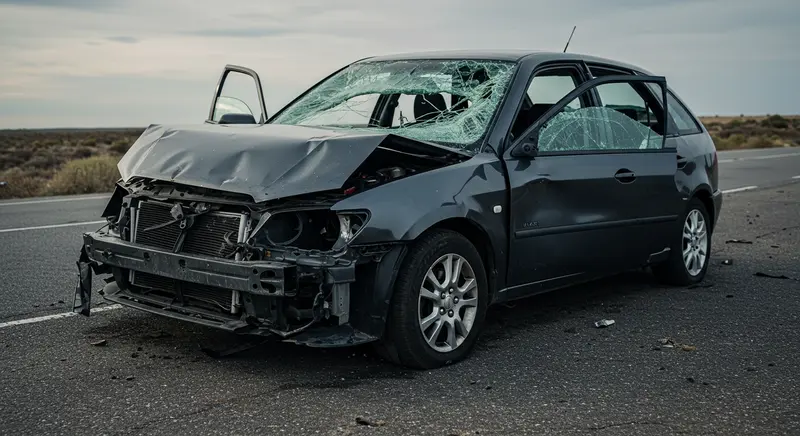
When a car is considered a ‘total loss’, this means that the cost of repairing the car is more than its value which usually ranges between 70-75%. Your insurance firm will make this decision after evaluating the damage. If it is too expensive to repair then they take it as a write-off and give you a check rather than fixing the car.
How to Make Sure That You Get the Best Settlement?
- Understand Your Policy: It is important to assess your insurance to know what is covered and what restricts it from doing so. Both comprehensive and collision coverage usually cover totaled vehicles, but often with some differences. Knowing your policy details ensures that you have the ability to understand your rights and what you can be entitled to.
- Document Everything: And lastly, be sure to write down every detail of the accident as soon as possible. Photograph the loss from different views, get statements from any witnesses and request the police report. It is also important to keep records of any contacts made with the insurance company including emails and telephone calls made.
- Get Your Repair Estimate: Before your insurance company’s representative assesses the damage, it is wise to consult an independent mechanic or auto body shop for an accurate estimate. This estimate can be as a second opinion and negotiating power in case you do not agree with the insurance company’s evaluation.
- Research Your Car’s Value: Some of them are Kelley Blue Book, Edmunds, and NADA Guides to find out the ACV of your car. Such tools help you put the make, model, year, and condition of your car, as well as the mileage, to arrive at an estimated value. This research assists you in determining if the offer made by the insurance company is reasonable.
- Negotiate with Your Insurance Company: Insurance companies indeed try to pay as less as possible; therefore, the compensation offer you receive may not be satisfactory. Here you should not agree with the first offer. Give your self-repair estimate and gather information regarding your car’s price to demand a higher compensation. Stay polite but be assertive and don’t shy from asking for their superior.
- Consider the Salvage Value: The insurance company can pay out a sum of money that is less than the salvage value in cases where your vehicle is considered a total loss. Salvage value is the sum of the money the insurance company expects to recover from a salvage sale of your wrecked car. If you wish to maintain the car, there is a provision to pay the salvage value and take the car back. This option can be good if you fix or scrap the car since you will be selling the car for spare parts.
- Factor in Additional Costs: This should, therefore, be included as one of the factors when bargaining for your settlement, bearing in mind costs like towing fees, storage fees, and rental car costs. Try to capture all of these expenses so that they can be considered during the calculation of your compensation.
- Seek Professional Help: In case of a negotiation breakdown or when you feel that the insurance company should act in a manner consistent with good faith, seek the services of a professional. This can be an attorney representing an insurance company, an insurance claimant, or a public adjuster. Employment lawyers can give useful advice, explain your legal options, and try to secure your interests. Although they charge for their services, they can sometimes recover their costs through fees plus the higher probable amount of compensation.
What to Avoid?
- Accepting the First Offer: Be careful to only agree to take the first offer from your insurance company while considering all the factors. In many cases, the first bids are usually below the amount you could obtain with some bargaining. Spend some time to analyze and set arguments about why you should receive a higher amount for the job offer.
- Underestimating Your Car’s Value: Do not look down on the value of the car. Photocopy the vehicle and record all details, such as the mileage reading, the interior and exterior body condition, additional features installed, and the maintenance logs. No matter how insignificant they might be they have a tendency to affect the valuation.
- Failure to Read the Fine Print: Review any and all documents provided by your insurance company, including your settlement check. Always remember the terms and conditions of the agreement. If there is something that you are not clear about, do not hesitate to ask. Also, knowing what is going on increases your chances of making the right decisions and avoiding any pitfalls.
- Forgetting About Additional Coverage: If you have other optional features included in the policy, for example, gap insurance or new car replacement coverage, use them. Gap insurance provides for the difference between the ACV of the car and the balance of the loan if more money is owed on the car than it is worth. New car replacement can enable you to get a new car of the same brand and model as the one that has been deemed a total loss. Familiarity with these coverages is crucial because they can help you get a better settlement.
Finalizing the Settlement
- Determining the Settlement Amount: When this is done, you and the insurance provider have discussed the terms of a compensation payout; they will share the relevant documents. Approve the provided documents while paying attention to each detail. If you have any issue to raise, you should do so before the signing process of the templates.
- Receiving Your Payment: Your insurance company will then pay out the settlement amount after a settlement agreement has been reached. One can do so through a direct transfer of funds to his/her bank account/ via a cheque, or any other method as may be agreed between the insurer and the recipient. Always make sure you understand how and when you will be paid so that you do not fall for scams.
- Titles and Salvage Control: If you choose to hang on to your totaled car, you must deal with the paperwork on the title and know the ramifications of possessing a salvage automobile. This might involve acquiring a salvage title, repairing the car as required, and perhaps paying even more for insuring it. Make sure that you are fully knowledgeable about these factors before you decide to keep the car.
Conclusion
How to get the most money from insurance for totaled car comes down to the policy, documentation, hiring an independent appraiser and negotiator, or getting an attorney. Thus, adhering to these steps can help achieve a fair settlement and help in the process of healing from the loss.
Finally, it is worth reminding that the three most valuable things to consider while dealing with insurance companies are preparation, perseverance, and time. Be aware of your pensions, collect all necessary documentation, and do not hesitate to defend yourself. The best approach will help you get the most out of your car accident settlement and leave you feeling confident as you get behind the wheel again.
