
How to Optimize LiFePO4 Batteries for Solar Generators
Imagine having unlimited power for your outdoor adventures, free from the constraints of traditional power sources. Whether you’re camping in remote wilderness or living off-grid, reliable power has become essential for modern explorers. Yet, maintaining consistent power during extended outdoor trips presents unique challenges that can limit your freedom and adventure potential.
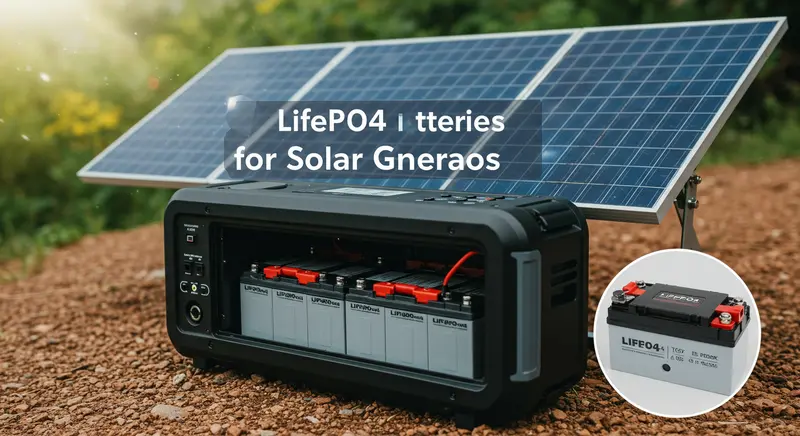
LiFePO4 batteries have revolutionized portable power station solutions, offering unmatched reliability and safety for outdoor enthusiasts. These advanced power storage systems, when properly optimized, can transform your outdoor experience from constant power anxiety to confident self-sufficiency. In this guide, we’ll explore proven strategies to maximize your LiFePO4 battery performance in solar generators, ensuring you have dependable power whenever and wherever you need it.
For outdoor adventurers seeking true independence, understanding these optimization techniques isn’t just helpful – it’s essential. We’ll cover everything from basic maintenance to advanced charging configurations, helping you build a robust power system that keeps you connected and powered up during your most ambitious expeditions.
Why LiFePO4 Batteries Dominate Solar Power Stations
LiFePO4 batteries have emerged as the gold standard for outdoor power storage, offering unparalleled safety features that make them ideal for adventurous use. Unlike traditional lithium-ion batteries, LiFePO4 chemistry remains stable even under extreme conditions, virtually eliminating the risk of thermal runaway or combustion – a crucial advantage when you’re miles from civilization.
The exceptional longevity of LiFePO4 batteries sets them apart in the solar generator market. With over 3,000 charge cycles before significant capacity loss, these batteries maintain reliable performance for up to a decade of regular use. This translates to roughly 8-10 years of daily charging compared to 2-3 years for conventional batteries, making them a superior long-term investment for outdoor enthusiasts.
Perhaps most impressive is their resilience in extreme temperatures. LiFePO4 batteries maintain stable performance from sub-zero conditions to scorching heat, making them reliable companions for winter camping or desert expeditions. EcoFlow’s implementation of LiFePO4 technology in their portable power stations demonstrates this versatility, with users reporting consistent performance in temperatures ranging from -4°F to 140°F, ensuring reliable power regardless of weather conditions.
Optimizing Charging Efficiency for Extended Trips
Solar Charging Best Practices
Maximizing solar charging efficiency starts with proper panel positioning. Aim for a 30-45 degree angle facing true south in the Northern Hemisphere, adjusting seasonally to track the sun’s path. For mobile setups, portable panels should be reoriented every 2-3 hours to maintain optimal sunlight exposure. Clear any debris or dust regularly, as even minor obstructions can reduce charging efficiency by up to 30%.
When selecting solar panels, match their wattage rating to your power station’s input capacity. Oversized panels waste potential, while undersized ones extend charging times unnecessarily. The sweet spot typically lies within 10-20% above your station’s rated input to account for environmental factors and conversion losses.
Voltage and Current Sweet Spots
LiFePO4 batteries perform best when charged within specific parameters. Maintain charging voltage between 14.4V and 14.6V for 12V systems, never exceeding 14.8V to prevent premature aging. Current should be limited to 0.5C (half the battery’s capacity rating) during bulk charging, reducing to 0.1C during absorption phase for optimal cell longevity.
Avoid the partial state-of-charge trap by completing full charging cycles whenever possible. While LiFePO4 batteries don’t suffer from memory effect, maintaining charge levels between 20% and 80% during regular use maximizes cycle life. For critical power needs, implement a two-stage charging strategy: rapid charging to 80%, followed by a slower top-up to 100% when time permits.
Advanced Multi-Charging Combinations
Leveraging multiple charging methods simultaneously unlocks the full potential of modern LiFePO4 power stations. By combining solar with AC charging, you can reduce total charging time by up to 60% while maintaining optimal battery health. The key lies in understanding how to balance different input sources – for example, using solar as the primary source during daylight hours while supplementing with AC power during peak energy demands or cloudy conditions.
Car charging adds another versatile dimension to your power setup, especially valuable during road trips or overlanding adventures. Most LiFePO4 power stations accept 12V/24V car charging inputs, though efficiency varies significantly based on your vehicle’s alternator output. For optimal results, use car charging when your engine is running at higher RPMs, typically during highway driving, rather than at idle.
Smart power management systems, like those found in EcoFlow’s portable power stations, automatically prioritize the most efficient charging source available, seamlessly switching between solar, AC, and car charging as conditions change. This intelligent approach ensures continuous charging while preventing battery stress, making it ideal for extended outdoor adventures where power sources may vary.
To maximize charging efficiency across multiple sources, configure your charging priorities based on your specific scenario. For extended off-grid stays, prioritize solar during peak sunlight hours (10 AM – 4 PM), using alternative sources only when solar input drops below 30% efficiency. For mobile setups, synchronize car charging with planned driving times, reserving AC charging for overnight recovery when power is available.
Battery Maintenance for Maximum Lifespan
Storage Protocols
Proper storage significantly impacts LiFePO4 battery longevity. Store batteries at 40-50% charge level for optimal long-term preservation, never below 20% or above 80% for extended periods. Maintain storage temperatures between 32°F and 77°F (0°C to 25°C), using climate-controlled environments whenever possible. For seasonal storage, check charge levels quarterly and recharge if they drop below 30%.
Usage Cycle Optimization
To maximize battery life, maintain discharge depths between 20% and 80% during regular use. Deep discharges below 10% can reduce overall cycle life, while frequent charging above 90% increases chemical stress. For multi-battery systems, implement load balancing by rotating primary discharge units weekly. This prevents uneven wear and ensures consistent performance across all cells.
Regular maintenance checks are essential. Monitor individual cell voltages monthly using a multimeter, looking for variations greater than 0.1V between cells. Clean battery terminals quarterly using a dry cloth and inspect for signs of corrosion. If using multiple batteries in series or parallel, verify all interconnecting cables maintain tight connections and show no signs of wear.
Performance monitoring through your power station’s built-in battery management system (BMS) provides crucial insights. Track charging patterns and depth of discharge trends to identify potential issues before they impact performance. When cycle count approaches 2,000, begin more frequent voltage checks and consider reducing maximum discharge depth to 60% to extend remaining service life.
Field-Tested Power Station Setups
For lightweight adventures, a compact 500-600W solar generator paired with foldable 100W panels offers the perfect balance of portability and power. Position panels using trekking poles as supports, and integrate a waterproof power station cover for unexpected weather. This setup easily powers essential devices like phones, cameras, and GPS units while maintaining a manageable pack weight under 15 pounds.
Extended trips demand more robust solutions. A 2000W power station with 400W of solar input capacity serves as the foundation for month-long expeditions. Deploy panels in series-parallel configuration to maintain charging efficiency during lower light conditions. Strategic power rationing becomes crucial – dedicate morning hours to charging power-hungry devices while reserving evening capacity for essential lighting and emergency communications.
Essential accessories prove their worth in challenging conditions. Weather-sealed MC4 connectors prevent moisture-related charging interruptions, while extension cables enable optimal panel placement without relocating your base setup. A backup charge controller provides redundancy for critical power needs, and portable power meters help monitor system performance and troubleshoot efficiency issues in real-time.
Real-world testing reveals the effectiveness of hybrid charging approaches. During a recent mountain expedition, combining morning solar charging with midday vehicle charging during supply runs maintained consistent power levels. In coastal environments, where salt air poses additional challenges, elevated mounting systems with corrosion-resistant hardware significantly extended equipment lifespan while maintaining charging efficiency.
Maximizing Your Outdoor Power Independence
Mastering LiFePO4 battery optimization unlocks true freedom in outdoor adventures. Through proper charging techniques, maintenance protocols, and smart system configurations, you can harness reliable, sustainable power that matches your adventurous spirit. The combination of solar charging efficiency, multi-source power integration, and strategic maintenance ensures your power system remains as resilient as your exploration ambitions.
Remember that success lies in the details – from precise panel positioning and voltage management to seasonal storage care and real-world testing. By implementing these optimization strategies, you’re not just maintaining a battery; you’re building a foundation for limitless outdoor experiences. The future of outdoor power solutions continues to evolve, with advancing technology making solar generators increasingly efficient and adaptable to diverse adventure needs.
As you apply these techniques to your own outdoor power setup, you’re joining a growing community of self-sufficient adventurers who understand that reliable power enables deeper exploration and more meaningful connections with nature. Your optimized LiFePO4 system isn’t just a power source – it’s your passport to unlimited adventure possibilities.
