
How to Handle Lost Car Keys After an Accident
Losing your car keys is frustrating in any situation. But losing them during or right after a car accident makes everything doubly difficult. Not only do you have to deal with police reports, insurance calls, and maybe even injuries, but now you also have a logistical problem to solve.
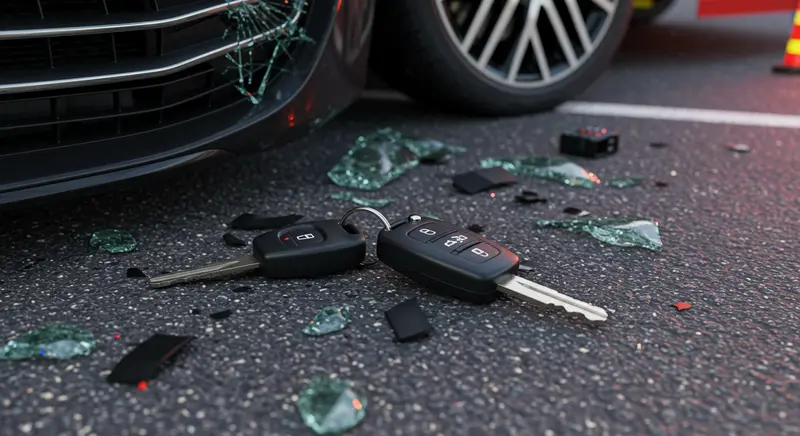
However, there’s no need to panic. Lost car keys after an accident can feel overwhelming, sure, but the good news is that there’s a clear path to handle the situation without making a bad day worse. Here’s exactly how you can do it.
Safety First
Before you even worry about the keys, make sure you and everyone else involved are safe. Call emergency services if needed and get medical attention, even if you think you’re fine (adrenaline can mask all kinds of injuries).
Once this critical step is handled, you can focus on your missing keys.
Document Everything at the Scene
You’ll already be gathering information for your insurance claim, so fold the key situation into that process. Take photos of the accident scene, inside and outside your vehicle (this way, if the keys fell out during the crash or got knocked somewhere weird, you have visual clues).
Also write down any details you remember about when you last had your keys. Were they in the ignition? In your pocket? Somewhere loose inside the car? Be as specific as possible here because this will help you deal more easily with insurance or file a police report about stolen property later.
Contact the Right People
You’ll need a few calls lined up:
- Insurance Company: First, let your insurer know you’ve lost the keys. Some comprehensive coverage policies include key replacement, towing, and even temporary transportation.
- Towing Service: If you can’t drive the car (and without keys, you definitely can’t) you’ll need a tow. Choose a reputable towing company that can safely move your vehicle to a secure location, preferably a repair shop or your home garage.
- Locksmith or Dealership: This is where the car key replacement process starts to matter. Getting a replacement key without the original isn’t as complicated as it used to be, but it depends heavily on your car’s make, model, and year. In short though, professional locksmiths can cut and program a new key on-site in many cases, saving you a lot of time (and often a good chunk of money compared to dealerships).
Secure Your Vehicle
Even if your car is wrecked beyond drivable condition, it’s still your responsibility to secure it. Lost keys mean anyone could potentially access the vehicle (especially if the doors are unlocked after impact). So, what you want to do is ask the tow company to transport it directly to a secure lot or body shop instead of just dropping it somewhere random.
Some locksmiths offer services to reprogram your car’s ignition and immobilizer system, effectively making the lost key useless to anyone who finds it later. It’s worth asking about this if you suspect your keys were stolen rather than lost.
Keep Spare Key Options in Mind for the Future
This situation can be very stressful, but you can also turn it into a somewhat positive experience: namely, a nudge that you need to plan better moving forward. Having a spare key stored safely at home (or even investing in a key tracking device like Tile or Apple AirTag) can save you hundreds of dollars and tons of stress later. According to AAA, the average annual cost of owning and operating a new car is about $12,297, so minimizing replacement issues where you can only makes sense.
Extra Tips for Logistics (and Costs) of Replacing Lost Keys
Car key replacement isn’t cheap anymore. Traditional metal keys cost maybe $10–$20 to copy, but modern smart keys, key fobs, and proximity keys? You’re usually looking at $150–$500+, depending on the car.
The average cost to replace a smart key hovers around $300, and luxury vehicles can push that higher. Programming fees add another layer because key fobs have encrypted chips tied to your car’s security system.
What’s important to know here is that you don’t always have to go back to the dealership (despite what the dealership might “conveniently” suggest). Licensed locksmiths who specialize in automotive services can often handle the entire key replacement process, including programming, for significantly less.
