
Lower Back Pain After a Car Accident – Causes, Symptoms, and Recovery
A car accident can result in diverse types of harm that are beyond imagination. A minor collision can injure your spine and produce persistent lower back problems. In this article, we will cover causes, symptoms, and specific treatments for recovery of lower back pain after a car accident. This guide also includes different injuries behind low back pain, and the expected pain duration.
Why does Lower Back Pain develop after a Car Accident?
Our spines cannot naturally absorb the force of a car accident or crash. Catastrophic deceleration, whiplash injuries, and retaining motion via seatbelts generate dangerous stress that ultimately harms the lower back because the rest of the body is in motion. Although the lumbar spine remains especially prone to damage because it supports the upper body and keeps the body flexible.
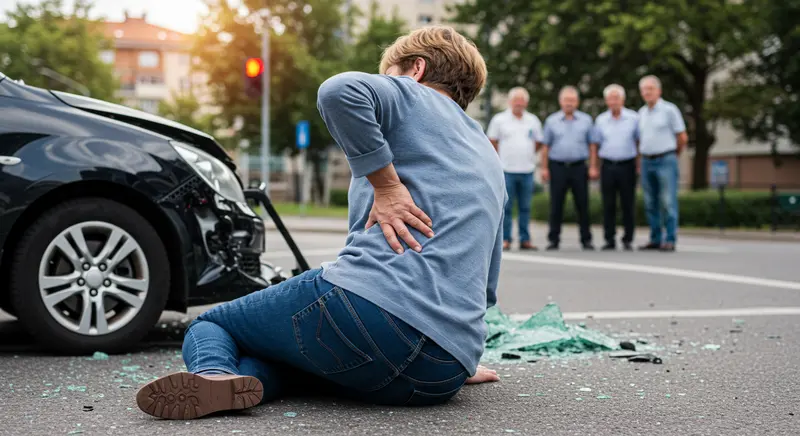
Despite having no surface injuries, you can unexpectedly experience lower back pain after a car accident. The initial pain signals initially cause inflammation and eventually begin to develop further, when the adrenaline rush is over.
5 Common Lower Back Pain Injuries after a Car Accident
Different types of post-crash injuries affect the lower back and range from soft tissue tears and spinal cord trauma. Patients experience five primary injuries to the lower back, which resonate frequently after car crashes:
1. Lumbar Strains and Sprains
A strain or sprain of the lower back develops from vehicular accidents. The muscle or tendon experiences a strain injury, whereas any ligament tears result in sprains. Lower back injuries that go undetected by imaging tests cause substantial pain to patients.
Symptoms:
- Localized pain or stiffness
- Muscle spasms
- Limited range of motion
- Swelling or tenderness
2. Herniated or Bulging Discs
A disc injury happens when the relatively soft substance inside a spinal disc escapes through a break in its exterior. When a herniated disc compresses spinal nerves, it leads to extreme discomfort and lower back pain after a car accident.
Symptoms:
- Pain from a herniated disc produces sensations that extend into the leg area (sciatica).
- The legs demonstrate tingling sensations with numbness affecting their lower portions.
- Weakness can be observed in the legs or feet.
3. Lumbar Fractures
Any severe crash or accident can cause injuries to the spinal vertebrae, known as lumbar fractures. This type of fracture results in flexion-distraction injuries, which require immediate medical help because of the seriousness of the condition.
Symptoms:
- Sudden, intense back pain
- Pain worsening with movement
- Numbness or weakness
- When the condition progresses severely, patients can lose both bladder control and bowel control.
4. Facet Joint Injuries
Our facial joints allow us different kinds of movements, but any injury or crash can damage these joints and create difficulty in speaking. The face becomes stiff, and pain is also observed.
Symptoms:
- Pain during or after motion
- Radiating discomfort
- Tenderness around the spine
5. Spondylolisthesis
Stress fractures or trauma can force a vertebra to shift out of its regular position, thereby creating spondylolisthesis. When nerves become compressed because of this condition, they produce localized and referred pain.
Symptoms:
- Lower back pain
- Leg weakness or numbness
- People usually experience deteriorating pain symptoms when they stay active through walking or standing.
When does back pain first Appear After an Accident?
Lower back pain after a car accident emerges in two different timelines: some people feel it instantly, yet others experience a delayed onset after several hours or days. Pain delays occur because your body produces adrenaline and endorphins that briefly shut down pain messages through the body.
After a car accident, pain and inflammation do not appear immediately; rather, it takes time to develop. So, if there is any discomfort in your body, rush to the healthcare specialist.
How to Identify a Serious Injury?
Behind your lower back pain, there can be some alarming signals, which are:
- Pain starting in your lower back that extends down to your legs and feet.
- Loss of coordination or balance
- Numbness or tingling
- Trouble controlling your bladder or your bowels
- Pain that fails to improve after taking rest
If you feel any of these symptoms, contact your nearest doctor immediately. They might perform an MRI and a CT scan to determine the seriousness of the injury.
How Long Does Lower Back Pain Last?
Recovery timelines vary depending on the type and severity of the injury, which are:
| Injury Type | Estimated Recovery Time |
| Muscle strains/sprains | 1–3 weeks |
| Herniated or bulging discs | 6–16 weeks |
| Facet joint injuries | Several weeks to months |
| Spinal fractures | 8–12 weeks or longer |
| Chronic pain conditions | Several months to years |
Many people recover after having a proper rest and therapy, but some people need to have long-term therapy to recover fully.
Treatment Options for Lower Back Pain After a Car Accident
Effective treatment depends on multiple therapeutic techniques and approaches which are.
1. Medical Treatments
- Pain medication: Patients can use over-the-counter NSAIDs as well as prescribed muscle relaxant medications.
- Steroid injections: The administration of steroid injections leads to decreased inflammation surrounding spinal nerves.
- Surgical intervention: Doctors save surgical interventions for patients with complex conditions involving fractures and noticeable nerve compression.
2. Physical Therapy
Most post-injury plans for lower back pain after a car accident include physical therapy as their primary treatment. Therapists design exercise routines to:
- Reduce pain
- Improve range of motion
- Strengthen muscles
- Prevent future injury
3. Chiropractic Care
Patients with spinal misalignments and facet joint injuries frequently obtain relief through chiropractic spine manipulation.
4. At-Home Care
Ice and heat therapy: For the initial 48 hours, apply ice to manage inflammation, while heat therapy should follow afterward to help muscles relax.
- Gentle movement: Short walks allow your muscles to stay flexible.
- Proper sleep posture: Support your spine during sleep by using pillows that help distribute pressure throughout your body.
- Avoid strenuous activity: Heavy lifting and twisting of your spine must be avoided completely while your injuries heal.
When to Seek Medical Help?
Seek immediate medical evaluation if an accident occurs, no matter if you feel safe. Early medical treatment steps can stop complications from becoming permanent medical conditions. Urgent medical attention is needed when you detect any of the listed symptoms.
- Worsening or spreading pain
- Numbness, tingling, or weakness
- Loss of mobility
- People encounter problems while peeing or emptying their bowels
Does Back Pain Tend to Return After Healing?
Yes, even after healing, the individuals are likely to experience back pain, unfortunately. Researches show that individuals suffering back pain since an automobile collision risk future back dysfunction by a rate of 2.7 times.
Preventative healthcare measures that include correct posture maintenance, regular physical activity, and stress avoidance should be a top priority for everyone.
Conclusion
People need to take serious notice of back pain that develops after experiencing a car accident. Fast or delayed pain onset requires medical assessment followed by diagnosis and suitable therapeutic intervention. Early medical attention can heal many back injuries completely, yet postponing treatment often produces long-term health complications affecting both your overall well-being and life quality.
Get medical advice for lower back pain after a car accident to find the proper long-term treatment plan for recovery.
