Understanding Liability in Multi-Vehicle Collisions
Liability in multi-vehicle collisions can be confusing. With multiple drivers, conflicting accounts, and shared fault, figuring out who’s responsible is rarely simple.
Understanding how liability works can protect you from unfair blame or financial loss.
This guide explains the key aspects of liability to help you navigate these complex situations confidently.
Determining Primary Responsibility
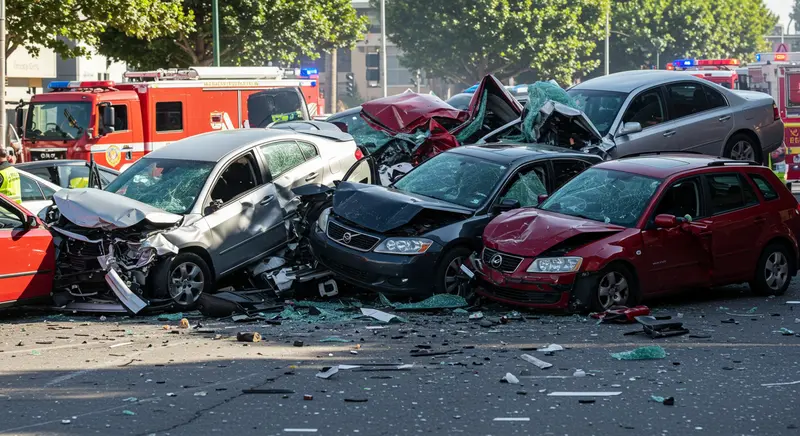
In multi-vehicle collisions, pinpointing primary responsibility can be complicated. The driver who initiated the crash often holds the largest share of liability. For example, if one car rear-ended another and caused a chain reaction, that initial driver may face the most blame.
However, other factors come into play – speeding, distractions, or failure to follow traffic laws by multiple drivers might shift liability percentages, for instance.
Police reports are vital here as they record on-site observations and statements from those involved.
Ultimately, determining fault relies on clear evidence like accident photos or dashcam footage proving negligence.
Having legal assistance is crucial when liability isn’t straightforward. A lawyer can help interpret evidence, negotiate with insurers, and ensure your rights are protected. They’ll also guide you through the complexities of multi-party claims to avoid unfair blame being placed on you.
So, after being involved in a multi-vehicle collision, make sure you contact a reputable local lawyer who has experience handling your specific kind of case. In the event that you are involved in a multi-vehicle accident in Indiana that includes trucks, reach out to experienced Indianapolis truck accident lawyers.
Shared Liability and How It Works
Liability in multi-vehicle collisions doesn’t always fall on one person. Often, multiple drivers share responsibility. This is called comparative negligence, where each driver’s actions are analyzed to determine their percentage of fault.
For example, if two drivers were speeding before a collision occurred, both might bear some liability.
Their percentages will impact how damages are divided for claims or lawsuits.
Insurers and courts use these calculations to assign blame fairly under the law.
How Insurance Determines Fault for Multiple Drivers
Following on from the last section, insurance companies play a key role in sorting out liability. After a multi-vehicle collision, adjusters review police reports, witness statements, and physical evidence to determine fault percentages.
If multiple parties share blame, insurers use those percentages to decide how claims are paid out. For instance, if you’re found 30% at fault, your compensation might be reduced by that percentage.
Clear documentation of the crash helps protect you from being assigned an unfair share of responsibility.
The Legal Role of Witness Statements on Liability
Witness statements can heavily influence liability decisions in multi-vehicle collisions. Neutral third parties often provide an unbiased view of how the crash unfolded, helping to clarify fault.
For example, a witness might confirm which driver ran a red light or failed to brake in time. These details can strengthen your claim and counter incorrect accusations from other drivers involved.
Providing contact information for credible witnesses ensures their input is considered during investigations or legal proceedings.
Evidence Collection to Support Your Claim of Limited Fault
Solid evidence is essential in multi-vehicle collision cases. Photos, videos, and dashcam footage can demonstrate your position during the crash or show other drivers’ negligence.
For instance, skid marks might reveal excessive speed by another driver, while photos of vehicle damage could confirm which car caused the chain reaction.
Collecting this information as soon as possible strengthens your argument and helps insurers or courts assess liability accurately.
Missing evidence could leave you unfairly shouldering more blame than you deserve.
Understanding Chain Reactions and Their Impact on Blame
Chain-reaction accidents are common in multi-vehicle collisions. Liability often depends on which driver triggered the sequence. For instance, if a distracted driver rear-ends a car and pushes it into others, they may carry most of the blame.
However, drivers further down the chain aren’t always fault-free. Tailgating or failing to react appropriately could increase their liability share.
Investigators examine spacing between vehicles, brake usage, and traffic conditions to assign responsibility accurately for each party involved in the crash.
