
Nissan Rogue Reliability Guide: What Every Buyer Should Know Before Purchase
You want a compact SUV that is safe, smooth, and low-cost to own. The Nissan Rogue checks many boxes. But like any car, it has trade-offs. If you are researching Nissan Rogue problems and guide tips before you buy, this guide will help you spot issues early and plan smart steps that protect your budget.
We will walk through common trouble spots, recall checks, test-drive tips, and ownership costs. You will also learn when to ask for help and how to document your visits so you get fair repairs and value.
Nissan Rogue Reliability Overview
The Rogue is a top seller for a reason. It rides well, has good space, and offers strong safety features. Yet, reliability can vary by model year, use, and care. Some owners report transmission feels concerns, electrical quirks, and sensor glitches. Good records and clear tests can keep small issues from turning into big costs. If you need a plain-language review of your situation, the Consumer Protection Law Group can explain your options and next steps in simple terms.

What matters most is how a specific car was driven and serviced. A clean history, steady oil changes, and timely software updates often lead to fewer problems. A rushed used-car buy can lead to extra shop time and stress.
Common Issues and What They Mean
No car is perfect. Here are areas buyers often ask about. The goal is not to scare you, but to help you check before you commit. If you run into a dispute over coverage later, the Consumer Protection Law Group can help you understand what your warranty should cover and how to present proof.
Transmission feel and response
Many Rogues use a CVT (continuously variable transmission). Some drivers like the smooth pull.
Others notice:
- Slow response from a stop
- Engine revs are rising without much speed
- Shudder on hills or in heat
These signs do not always mean failure. They can point to old fluid, software that needs an update, or normal CVT traits. On your test drive, try low-speed starts, a long uphill stretch, and highway merging. Note any shake, slip, or noise.
Driver assists and sensor behavior
Modern Rogues include features like adaptive cruise, lane alerts, and automatic braking.
Watch for:
- False alerts in clear weather
- The cruise is cutting out without a clear reason
- Warning lights that come and go
A quick scan at a shop can show stored codes. Ask if a Technical Service Bulletin, called a TSB, exists for your exact symptom.
Electrical and infotainment
Some owners report:
- Screen freeze or random reboot
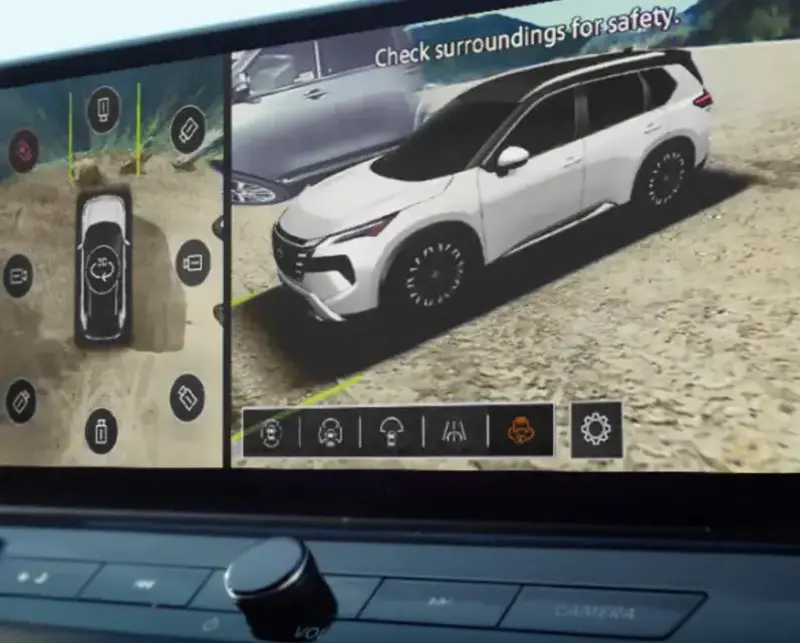
- Camera or Bluetooth dropouts
- Intermittent backup camera delay
Reboots can be software-related. Check for updates. Test all features with the car parked and again after 30 minutes of driving, when heat can trigger glitches.
HVAC, noises, and trim
Listen and feel for:
- AC that lags on very hot days
- Rattles from doors or dash on rough roads
- Wind noise at highway speed near mirrors or roof rails
Small fixes can solve many of these. Still, note them. Repeated trim issues can add up in time and cost.
Recalls, TSBs, and Safety Checks
Recalls fix safety risks at no cost. TSBs guide techs on known issues and repair steps. Both matter for the Rogue. Before you buy, ask the seller to confirm recall status and show proof of completed work. If you need help sorting recall letters or TSB notes, the Consumer Protection Law Group can review your paperwork and help you ask the right questions at the dealer.
How to check fast:
- Use the VIN to view open recalls in the owner portal or through a dealer
- Ask for a printed service history if buying from a dealer’s lot
- Match dates and mileage on records to what the odometer shows
If a recall part is backordered, ask about loaners or rental coverage and get the dates in writing.
Maintenance, Costs, and Reliability Planning
The Rogue can be cost-effective if you follow a simple plan:
- Oil and filter on time with the right spec
- Transmission fluid service as recommended
- Brake fluid, coolant, and spark plugs on schedule
- Software updates during routine visits
Small moves save money later. Clean fluids run cooler. Cooler parts last longer. Ask for itemized receipts and keep them in a folder or cloud drive.
Signs of rising costs
Repeat “no problem found” on the same complaint
- Long parts delays with no firm date
- A feature that works after a reset, then fails again
- When that happens, tighten documentation and escalate sooner.
How to Inspect a Used Nissan Rogue
Go step by step. A 30-minute check can protect you from months of hassle.
Exterior and tires
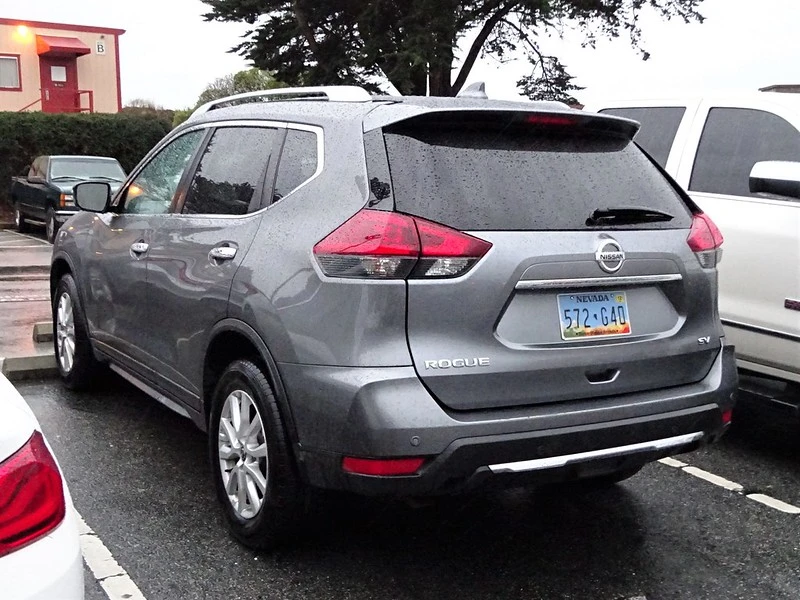
- Look for mismatched paint or panel gaps
- Check tire tread for even wear
- Inspect wheels for curb rash or cracks
Under the hood
- Look for leaks or damp spots
- Check fluid levels and color
- Listen for ticking, knocking, or belt squeal
Inside
- Test every button, window, lock, and seat
- Pair your phone and make a call
- Run AC on max cold and then heat
Underneath
- Ask to view the underbody on a lift if possible
- Look for rust, damage, or fresh undercoating that could hide repairs
Smart Test-Drive Checklist
Drive the same route you will use daily. Try city streets, a steep hill, and a highway merge.

What to do:
- Start from a stop several times. Feel for delay or shake.
- Hold steady at 45 mph. Listen for hums or whines that change with speed.
- Brake from 50 mph to a stop. Note any pull, pulse, or noise.
- Let the car idle 5 minutes with the AC on. Watch for rough idle or flicker.
If something feels off, ask for a second test drive with a technician. A ride-along helps capture data while the symptom is present.
Warranty, Lemon Law, and Your Rights
Your factory warranty covers defects in parts or workmanship for a set time and miles. It does not cover accidents or neglect. Keep your booklet and repair orders. If repeat defects keep coming back, your state’s lemon law or federal warranty rules may help. You may have rights to repair, replacement, or a refund in certain cases.
How to protect yourself:
- Report issues early and keep a log with dates, miles, and conditions
- Ask the advisor to write your exact complaint on the repair order
- Save every invoice, even $0 tickets
- Track total days out of service
If you need clear guidance, the Consumer Protection Law Group can explain how your state counts repair attempts and days off the road.
Model Year Notes and Trim Tips
Model years can differ in powertrain tuning, safety features, and infotainment. Newer years often improve seat comfort, camera views, and driver aids. Older used models can save money, but may need more maintenance.
Smart trim choices:
- Choose the features you will use often, like adaptive cruise, heated seats, or a panoramic camera
- Avoid paying for options you do not need, which can raise the price without adding value to you
- Check that all driver aids work smoothly on your test drive
Ask the seller for proof of software updates and recall completion for the exact model year you are buying.
Simple Case Studies
Case 1: The slow-start SUV
- Problem: Slow takeoff from a stop in traffic.
- Action: Buyer tests on a hill and records the lag on video. Service updates software and checks fluid.
- Result: Response improves. The buyer documents the fix and keeps the records.
Case 2: The warning light that comes and goes
- Problem: Brake and collision lights flicker on, then off.
- Action: Owner logs dates, speed, and weather. Bring two videos to the service.
- Result: Dealer finds a sensor alignment issue and corrects it. No more alerts.
Case 3: Days out of service
- Problem: Vehicle waits weeks for a recall part.
- Action: Owner keeps every repair order and date. Requests a loaner per policy.
- Result: The owner tracks total days out. If deadlines are met and the issue repeats, they explore relief under state rules.
Ownership Habits That Prevent Headaches
Small habits make a big difference over time.
- Use the same shop, so your records are in one place.
- Fix small issues before they grow.
- Test all key features after every repair.
- Keep tire pressure at spec for better ride and longer life.
- Rotate tires on time to prevent noise and pull.
If a problem returns, cite your log and ask for a ride-along. Clear proof leads to faster answers.
Where This Guide Fits in Your Search
Use this Nissan Rogue Problems and Guide as a checklist while you shop. It will help you compare cars on the lot, plan a better test drive, and ask the right questions about service history. A careful, calm process is your best tool to avoid surprise costs after purchase.
When to Ask for Help
Ask a trusted tech to do a pre-purchase inspection before you sign. If a dealer denies a fair repair later, or your car spends many days in the shop, speak with a consumer lawyer. Many cases start with a free review and focus on your records. For a simple, practical plan, the Consumer Protection Law Group can look at your repair orders and outline options in plain language.
Conclusion
The Nissan Rogue can be a smart buy when you take your time and check the details. Drive the car the way you will use it. Test key features when hot and when cold. Read the service history closely and confirm recalls and updates. Keep neat records from day one. If repeat defects show up or delays grow, know your rights and act early. With clear steps, a clean paper trail, and help when needed from the Consumer Protection Law Group, you can enjoy the benefits of a Rogue while avoiding costly surprises.
