
Pedestrian Safety in Shopping Center Parking Lots
Parking lots at shopping centers are busy, chaotic spaces where pedestrians and vehicles often share close quarters. Even short trips from the car to the store can become dangerous if drivers aren’t attentive or if walkways aren’t clearly marked. A South Bend accident claim lawyer often sees the consequences when simple safety measures are overlooked, leading to preventable injuries.
Why Shopping Center Parking Lots Are High-Risk Areas
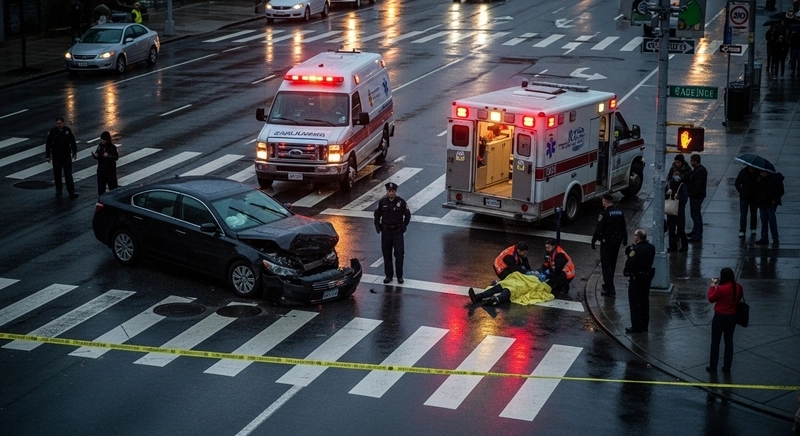
Unlike streets designed for consistent traffic patterns, parking lots feature frequent stops, turns, and pedestrian crossings in unpredictable directions. Drivers may back out of tight spaces, pedestrians may cross mid-lot, and vehicles entering or exiting can create blind spots.
Children, elderly shoppers, and distracted pedestrians are particularly vulnerable. Even low-speed collisions in these areas can cause serious injuries, including fractures, sprains, head trauma, and sometimes permanent disabilities. The combination of heavy foot traffic, slow-moving vehicles, and driver distraction makes these lots inherently risky.
Common Hazards Pedestrians Face
Environmental and design problems are the cause of many accidents. Potholes, uneven pavement, dim crosswalk markings, and poor lighting all increase the risk of trips and falls. Drivers are unable to see pedestrians until it is too late due to overgrown landscaping, poorly parked cars, and blocked sightlines.
Weather conditions further increase risks. Ice, snow, and rain decrease traction for cars and pedestrians, raising the risk of collisions, slips, and falls. Hidden hazards can also be created by seasonal debris, such as leaves, or by liquid spills from shopping carts. To prevent accidents, regular maintenance and attention to environmental conditions are essential.
Responsibilities of Shopping Center Owners
It is legally required of property owners to keep their spaces safe for all guests. This entails having warning signs, functional lighting, clearly marked crosswalks, and pavements that are routinely inspected. Timely hazard repairs and routine safety audits show diligence.
When assessing culpability, courts consider whether a shopping center took reasonable precautions to prevent mishaps. The results of pedestrian injury claims can be influenced by evidence such as maintenance logs, inspection logs, and employee training procedures. Property owners risk serious legal and financial repercussions if hazards are not addressed.
Pedestrian Safety Tips
When traversing parking lots, pedestrians can take precautions to lower their risks. Important behaviors include using designated crosswalks, avoiding shortcuts through traffic lanes, and being aware of reversing cars. While elderly or mobility-impaired people may benefit from assistance or designated pathways, parents should hold their children’s hands.
Making eye contact with drivers before crossing, wearing visible clothing at night or in low light, and avoiding distractions like cell phones are further safety measures. It’s also critical to keep an eye out for delivery trucks and shopping carts, as these can present unforeseen risks.
How Drivers Can Help Prevent Accidents
Pedestrian safety is a shared responsibility of drivers. Crucial behaviors include slowing down, checking blind spots and mirrors, and yielding to pedestrians. When negotiating congested areas or confined spaces close to entrances and exits, extra caution is required.
Accident risk is decreased by shopping malls that provide safe driving instruction to their staff and delivery drivers. Speed bumps, awareness campaigns, and conspicuous signage can all serve as reminders to drivers to exercise caution. In addition to protecting pedestrians, these precautions also protect companies from liability lawsuits.
Legal Guidance for Injured Pedestrians
Accidents can still happen despite safety measures. Pedestrians who are hurt may have to deal with expensive medical care, missed income, and protracted recuperation. In these cases, a Denver slip and fall lawyer investigates the incident, looks for signs of negligence on the part of drivers or property owners, and collects evidence such as surveillance footage, witness accounts, and maintenance logs. Legal representation makes sure victims don’t have to handle the financial and physical fallout on their own and helps them with insurance negotiations or, if needed, lawsuits.
Accident Prevention Through Awareness
Parking lot accidents can be considerably decreased by raising awareness and educating people. Knowing common hazards and safety procedures benefits both employees and customers. Campaigns for community awareness, training initiatives, and conspicuous signage all promote responsible behavior.
To make the area safer, property managers can conduct routine audits, keep walkways clear, and implement safety procedures. Shopping centers are kept safe for all patrons by combining structural safety measures with individual attention to detail.
Final Thoughts
Shopping center parking lots are deceptively dangerous spaces for pedestrians, but awareness, proper maintenance, and legal preparedness can reduce risks. Consulting a South Bend accident claim lawyer ensures that injured individuals understand their rights and can pursue fair compensation while encouraging property owners to maintain safer environments. Vigilance, preventive measures, and legal guidance work together to protect pedestrians and create safer shared spaces.
