
How to Spot a Failing Thermostat Based on Engine Temperature Changes
Your vehicle’s thermostat plays a critical role in keeping the engine running efficiently, yet it’s one of the most overlooked components until something goes wrong. Drivers who experience unexpected temperature spikes or slow warm-ups may be seeing the early signs of a thermostat problem. Mechanics and firms that handle personal injury representation near Fort Worth often see how unnoticed vehicle issues can escalate, especially when overheating leads to breakdowns or unsafe driving conditions.
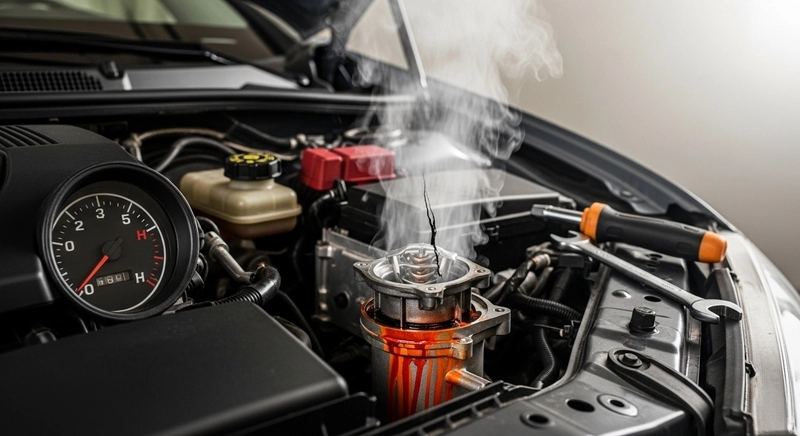
What the Thermostat Actually Does
The thermostat regulates how coolant flows through your engine, maintaining an ideal operating temperature. When the engine is cold, the thermostat stays closed to allow it to warm up quickly. Once it reaches the proper temperature, the thermostat opens to let coolant circulate and prevent overheating.
If the thermostat sticks open or closed, that balance is lost. A stuck-closed thermostat traps heat inside the engine, while a stuck-open one prevents the engine from reaching optimal temperature. Both scenarios can affect performance and fuel efficiency, and if ignored, can lead to costly damage.
Early Signs of a Failing Thermostat
A thermostat rarely fails without warning. Paying attention to the temperature gauge is one of the easiest ways to spot trouble. Rapid changes in temperature, overheating after short drives, or a gauge that stays unusually low for too long all point to a possible thermostat malfunction.
You might also notice performance issues such as reduced heater output or fluctuating idle speed. In some vehicles, the check engine light will turn on as the onboard computer detects irregular cooling behavior. Catching these signs early can prevent the problem from progressing into significant engine damage.
The Dangers of Ignoring Temperature Changes
Engine temperature isn’t just about comfort; it directly affects the lifespan of your vehicle. Overheating can warp cylinder heads, damage gaskets, and cause coolant leaks that compromise engine integrity. On the other hand, running too cool keeps fuel from burning efficiently, leading to higher emissions and poor mileage.
More critically, an overheating engine can stall in traffic or on highways, creating dangerous situations for drivers and passengers. Sudden breakdowns can cause collisions or leave motorists stranded in unsafe areas. Regular maintenance and prompt attention to temperature changes help avoid these risks.
How to Confirm a Faulty Thermostat
If your car shows signs of erratic temperature behavior, you can perform a few basic checks before taking it to a mechanic. Start by observing how long it takes for the engine to warm up after starting. If it warms too quickly or not at all, the thermostat may be stuck.
You can also feel the upper radiator hose after a few minutes of running the engine. If it remains cold even as the temperature gauge rises, coolant may not be flowing properly. However, because modern cooling systems can be complex, it’s best to have a professional inspection before attempting repairs.
Why Regular Maintenance Prevents Bigger Problems
Most thermostats are inexpensive and easy to replace, yet they’re often neglected during routine servicing. Checking the cooling system can save you from expensive engine repairs later. A mechanic can test the thermostat’s opening and closing function, inspect for leaks, and flush the coolant system if needed.
Preventive maintenance also includes replacing coolant on schedule, monitoring for corrosion, and keeping radiator fans in good condition. These small steps keep the entire cooling system functioning efficiently, ensuring your thermostat doesn’t fail unexpectedly.
When Engine Trouble Leads to Safety Risks
While a failing thermostat is primarily a mechanical issue, it can quickly become a safety concern if ignored. Overheating engines can lead to sudden loss of power, reduced visibility due to steam, or roadside emergencies in heavy traffic. Drivers unaware of the warning signs may find themselves in hazardous situations with little time to react.
Addressing mechanical issues early not only protects your vehicle but also helps keep the road safer for everyone. Ensuring your car runs smoothly is part of responsible driving, one that prevents accidents and unnecessary risks.
Final Thoughts
Recognizing the early signs of thermostat failure can prevent breakdowns and ensure safer driving. Mechanics and firms offering personal injury representation near Fort Worth often remind drivers that attention to small vehicle changes can avert major problems, both mechanical and safety-related. Taking time for regular maintenance protects your engine, your wallet, and your peace of mind every time you drive.
