
Exploring Smart Financing Options for Post-Accident Vehicle Repairs
Traditional help, like insurance claims or auto loans, isn’t always available after an accident. Sometimes coverage falls short, the claim takes too long, or a driver doesn’t meet a lender’s requirements. These gaps can leave car owners stuck with rising repair bills, eligibility requirements, and limited options.
The search for flexible, realistic ways to cover those expenses becomes essential to getting back on the road faster. This article will explore practical financing solutions that can help manage post-accident repair costs when traditional options aren’t enough.
Personal Loans
One of the best features of personal loans is that they’re truly personal. Borrowers can use the funds for almost any purpose, including post-accident vehicle repairs. Many lenders provide unsecured loans, allowing borrowers to manage their finances without the worry of risking their vehicles. This flexibility makes personal loans a dependable choice for those who want control over how and when they manage repair costs.
Many banks, credit unions, and online lenders provide these loans with quick approvals and straightforward terms. Among them is CreditNinja, which specializes in bad credit installment loans, meaning applicants don’t need a perfect credit score to get approved. These lenders also offer a fast and easy way to access same-day funding, helping borrowers to handle urgent repairs without waiting for their cars to worsen.
Credit Card Payment Plans
Many drivers turn to credit cards when repair shops demand payment up front. Credit cards can offer a quick, no-application solution to cover immediate repair bills, especially if a driver has available credit. Some cards also feature promotional payment plans that allow deferred or reduced monthly payments. These can be convenient when insurance doesn’t cover the full amount or when waiting for a claim decision.
However, this approach requires discipline. Repair costs can quickly become long-term debt if balances go unpaid for months. The most effective strategy is to use cards that offer clear repayment schedules or set up automatic payments. This ensures predictable monthly amounts and helps avoid financial stress later. More importantly, choose cards with low fees and transparent terms to make this option a practical short-term solution.
Manufacturer or Dealership Financing
Many dealerships now offer financing programs within their service departments. These allow vehicle owners to repair their cars using certified parts and pay through structured installment plans. It’s beneficial for newer models or when warranty coverage applies only at authorized centers. For example, a Toyota dealership might provide a repair financing program that lets customers replace damaged components with genuine Toyota parts while paying the balance over several months.
This option can also help maintain the car’s resale value by ensuring all parts and work meet manufacturer standards. However, drivers should compare dealership offers with external financing sources to confirm the best fit. Evaluate repayment terms, overall cost, and flexibility to see if dealership financing offers genuine value. For repeat customers or those already financing through the same brand, these programs can be a dependable option.
Repair Shop Payment Plans
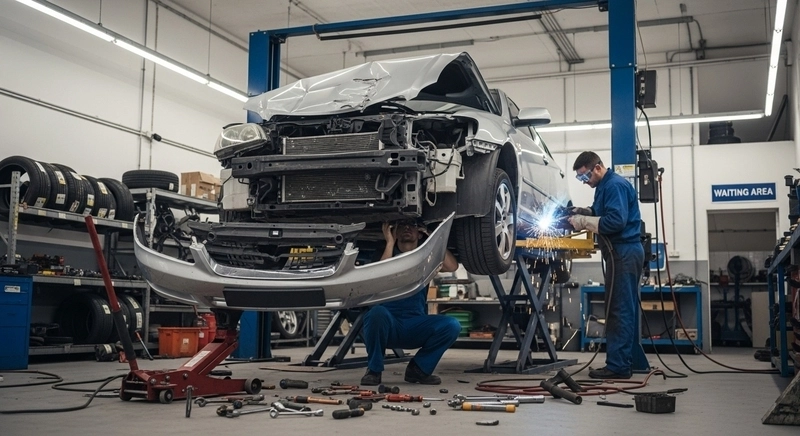
A growing number of repair shops now also offer in-house or third-party payment plans. These arrangements let customers fix their vehicles immediately and pay over several weeks or months. Approval often depends on the repair amount and payment history rather than complete credit checks, which makes this option accessible for many drivers. The process is usually straightforward, and paperwork can be completed directly at the repair counter.
These plans are especially useful for moderate repairs that need quick attention, such as bodywork, brake replacements, tire services, or minor engine fixes. They can also cover other essential repairs like suspension adjustments, radiator replacements, or electrical system checks. Some shops extend financing to larger jobs if the customer shows consistent payment reliability. However, borrowers should confirm all fees and repayment terms beforehand to avoid unexpected costs later.
Peer-to-Peer Lending Platforms
Peer-to-peer lending platforms connect individual lenders directly with borrowers through online marketplaces without going through traditional banks. Borrowers can typically access amounts ranging from a few hundred to several thousand dollars, depending on credit history and repayment capacity. Applicants with no credit or limited income may still qualify, although they often receive smaller loan offers or higher fees based on risk.
Due to growing demand, some peer-to-peer platforms now extend funding for auto repairs and car loan financing. Still, borrowers should review platform reputations and read user feedback before committing. Verify these sites through government agencies like the Federal Trade Commission (FTC) or the Consumer Financial Protection Bureau (CFPB). Otherwise, they could risk sharing personal information with unverified lenders or accepting unfavorable terms.
Finding the Right Fit for Every Situation
Drivers today have more choices than ever when handling post-accident repair costs. Personal loans are ideal for covering major repairs that require flexibility and manageable payments. Credit card plans are ideal for smaller, immediate expenses, while repair shop and dealership programs provide convenience and structured repayment. Peer-to-peer lending can also help those with limited credit. With these varied options, managing financial setbacks after an accident becomes far more manageable.
