
Statistically Speaking: How Likely Are You to Be in a San Diego Wreck?
San Diego sees around 130,000 traffic collisions every year. That’s roughly 350 crashes per day in a single county. Some are fender benders, others are catastrophic. The sheer volume is staggering once you start looking at the numbers. But statistics aren’t just abstract data. They reveal patterns about risk, timing, and exactly where danger concentrates on local roads.
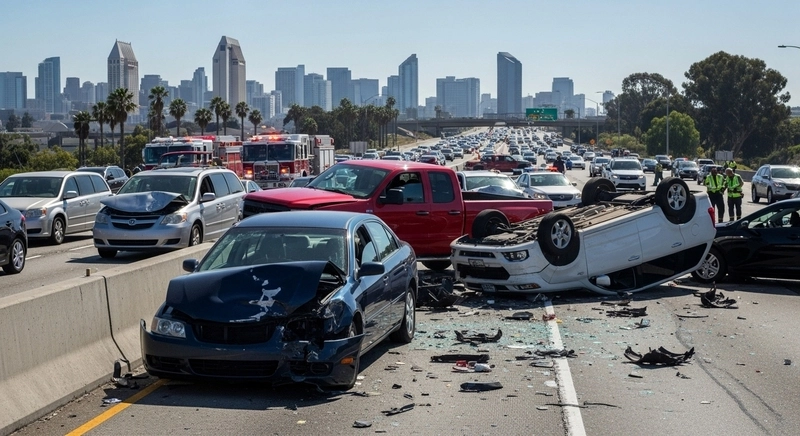
Understanding what the data actually shows separates panic from informed awareness. The goal isn’t to terrify you into never driving. It’s to help you see where accidents cluster so you can avoid them or navigate them more carefully.
When you know which intersections are dangerous, which times spike with collisions, and what causes most crashes, you can make smarter decisions behind the wheel. The story the numbers tell is compelling and actionable. Knowing San Diego car accident statistics turns data into practical insight that could literally save your life.
What the Latest Numbers Show
San Diego County’s latest crash data shows around 130,000 total collisions annually, with roughly 400 fatal crashes and 7,000 injury accidents. That breaks down to serious crashes happening multiple times per day across the county. Urban zones like downtown San Diego and El Cajon see significantly higher crash rates than suburban or rural areas. The density of drivers, pedestrians, and intersections creates exponentially more conflict points.
Trends over the past five years show some fluctuation but a generally consistent pattern. Injury crashes remain steady while fatal crashes vary slightly year to year depending on weather and enforcement patterns. The data reveals that San Diego’s crash problem isn’t getting dramatically better or worse, it’s staying stubbornly constant, which means preventable accidents remain the norm rather than the exception.
The Leading Causes of Accidents
Speeding tops the list. Drivers going too fast for conditions lose control, can’t stop in time, and turn minor mistakes into major crashes. Distraction is next, primarily phone use. Texting, checking maps, scrolling, or any activity that pulls attention off the road creates blind spots where accidents happen. DUIs still cause thousands of crashes despite decades of awareness campaigns. And congestion itself is an accident factory because when traffic is packed, everything happens faster and closer together.
San Diego’s unique lifestyle factors contribute too. Tourism brings unfamiliar drivers navigating our roads. Beach trips and weekend activity spikes increase weekend crash rates significantly compared to weekdays. The sunny weather year-round means more people driving more often. And the military presence brings transient drivers less familiar with local roads and traffic patterns.
High-Risk Locations and Times
Certain intersections and freeway stretches are notorious crash zones. Interstate 5 through downtown San Diego sees constant accidents, particularly during rush hours. The merge zones where I-405 meets I-5 are particularly brutal. Major surface streets like El Cajon Boulevard and Clairemont Drive consistently rank high in collision data. If you drive these regularly, you’re in higher-risk territory than someone using quieter routes.
Rush hours from 7 to 9 AM and 4 to 6 PM are peak crash times because traffic volume explodes. Weekends spike too, especially Friday and Saturday nights when more alcohol is involved. Night driving in general increases crash severity even if frequency stays similar. Weather affects everything. Rain, which is rare here but happens, sends crash rates up because drivers aren’t accustomed to wet road conditions.
Turning Data Into Safety Action
Using public data to plan safer commutes means choosing routes and times strategically. If you can avoid I-5 during rush hour, do it. If your workplace is flexible, asking to work different hours or remotely reduces your exposure to peak traffic times. These small adjustments compound over time into significantly reduced crash risk.
San Diego’s Vision Zero initiative aims to eliminate traffic deaths entirely through infrastructure improvements, enforcement, and awareness. The city is adding protected bike lanes, redesigning dangerous intersections, and increasing traffic enforcement in high-crash zones. Knowing where these efforts are happening helps you stay informed about road changes and the city’s commitment to safety.
Personal awareness matters most. Knowing the data makes you more mentally prepared and cautious. You drive more defensively on El Cajon Boulevard because you know it’s high-risk. You skip your phone during rush hour because you know those minutes are statistically dangerous. Data transforms into behavior, and behavior determines whether you become a statistic or you make it home safely.
Conclusion
The numbers paint a clear picture. Crashes in San Diego aren’t random bad luck scattered evenly across the county and calendar. They cluster in specific places and times, driven by predictable causes. That pattern is your advantage if you pay attention to it.
Mindful, informed driving isn’t paranoia. It’s using available information to reduce risk. Every accident that doesn’t happen is a win, and every person who doesn’t get injured is a success.
Understanding San Diego car accident statistics isn’t about scaring you. It’s about empowering you to drive smarter and come home safe.
