How Regular Fleet Inspections Prevent Major Breakdowns
Managing a fleet is never easy. Between meeting delivery deadlines, keeping drivers safe, and controlling costs, your vehicles must always be ready to perform. However, nothing disrupts operations faster than an unexpected breakdown.
This is where regular fleet inspections play a vital role. Well-reputed Fleet Repair Services help you stay ahead of problems, reduce downtime, and protect your bottom line.
In this article, you will learn why regular fleet inspections are essential, what areas they cover, and how they prevent major breakdowns that cost you time and money.
Why Fleet Inspections Matter
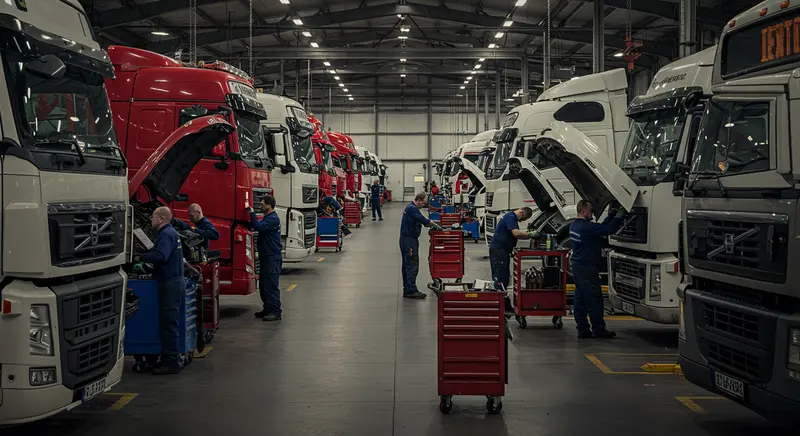
Fleet inspections are a proactive way to identify small issues before they grow into costly repairs. When you make inspections a routine part of your maintenance strategy, you protect both your drivers and your business.
Catching a worn brake pad during an inspection is far better than dealing with brake failure on the highway. That one preventive step can save you time, money, and serious safety risks.
The Cost of Skipping Inspections
Delaying or skipping inspections often leads to expensive surprises. Breakdowns not only cost you repair dollars but also create downtime that affects customer satisfaction. Each hour a truck sits idle means lost revenue and missed opportunities. On top of that, emergency tows and rush repairs can drain your budget quickly.
Moreover, if your fleet is not inspected on time, you risk compliance violations. Missed DOT or ANSI requirements can lead to fines, failed audits, and even being taken out of service. Regular inspections keep you compliant and avoid these headaches.
Key Areas Inspections Cover
During fleet inspections, certified technicians examine multiple systems to ensure your vehicles are safe and efficient. Here are some of the most important areas:
- Brakes and suspension: Essential for driver safety and load handling.
- Tires and wheels: Proper inflation and tread prevent blowouts and improve fuel economy.
- Hydraulic systems: Critical for equipment like boom lifts, cherry pickers, and trash lifts.
- Exhaust and emissions systems: Help avoid costly downtime from derating and overheating.
- Electrical and lighting: Ensure compliance and visibility on the road.
- Liftgates and trailers: Keep deliveries running smoothly.
- Cooling and fuel systems: Maintain performance and prevent overheating.
Preventive Maintenance vs. Reactive Repairs
A reactive approach means you fix vehicles only when something goes wrong. This might seem cost-effective at first, but it rarely pays off. Breakdowns happen at the worst times, often on the road or during peak hours. The costs of towing, missed deliveries, and emergency repairs quickly add up.
On the other hand, preventive maintenance starts with inspections. You plan services like oil changes, fluid checks, filter replacements, and brake adjustments before problems escalate. This strategy extends the life of your vehicles, reduces risk, and improves predictability.
Compliance and Safety Benefits
Inspections also keep you compliant with state and federal regulations. Annual DOT inspections, ANSI checks, and other industry-specific inspections are not optional. They are required to keep your fleet legally operating.
More importantly, inspections support safety. Well-maintained brakes, steering systems, and lighting keep your drivers and other road users safe. This reduces accidents, insurance claims, and potential liability issues. Safety is not just about avoiding fines. It is about protecting lives.
How Regular Inspections Reduce Downtime
Downtime is the enemy of productivity. Every fleet manager knows the stress of juggling schedules when a vehicle is out of service. Regular inspections minimize these disruptions. When you detect and repair small issues early, you avoid unexpected breakdowns that sideline your vehicles.
This also helps with planning. Instead of emergency fixes, you can schedule maintenance at times that work best for your business. That flexibility means fewer surprises and smoother operations.
The Role of Expert Technicians
Certified diesel technicians bring expertise that makes inspections more effective. They use advanced diagnostics to spot problems you might not notice otherwise. Their training ensures repairs are done right the first time, which saves money and builds confidence in your fleet’s reliability.
Many professional fleet service providers also offer account managers who understand your business. They help you stay on top of inspections, compliance requirements, and service schedules. Having this support makes fleet management much easier.
Integrating Inspections into Your Strategy
For inspections to be effective, consistency is key. Here are some best practices:
- Create a schedule: Align inspections with PM services to reduce downtime.
- Keep detailed records: Document every inspection for compliance and tracking.
- Train drivers: Encourage daily walkarounds to spot issues early.
- Use technology: Fleet management software simplifies scheduling and reporting.
- Work with trusted partners: Choose reliable service providers with a track record of quality.
The Long-Term Payoff
Regular inspections are an investment, not an expense. They lower overall maintenance costs, extend vehicle life, and keep your business moving without interruption. With fewer breakdowns, you maintain customer trust and driver satisfaction. In the long run, inspections give you peace of mind knowing your fleet is always road-ready.
Partner with Mobile Wrench for Reliable Fleet Inspections
Mobile Wrench specializes in on-site fleet inspections and preventive maintenance across Colorado. Their certified diesel technicians come directly to your yard or job site, saving you time and eliminating towing hassles. With over 20 years of experience, they deliver responsive, reliable, and convenient service designed to reduce downtime and keep your fleet compliant.
Final Thoughts
As a fleet manager, you cannot afford to leave reliability to chance. Regular inspections are your first line of defense against major breakdowns. They save you money, reduce downtime, and ensure compliance, all while keeping your drivers safe.
Make inspections a non-negotiable part of your fleet maintenance strategy. By doing so, you protect your investment, improve efficiency, and strengthen your reputation for dependable service.
