
Subaru Outback Years to Avoid: A Comprehensive Guide
In the mid-1990s, the global automotive industry experienced an increasing demand for sport utility vehicles (SUVs). Every automanufacturer was focusing on either improving their existing models or introducing first-ever SUVs, so did Subaru, but there are many Subaru Outback years to avoid.
Subaru launched its first-ever mid-sized sport utility vehicle under the name Outback in 1995, which was rugged, followed by a crossover-style vehicle, and off-road capabilities like larger SUVs. Outback has better handling, ride comfort, and fuel efficiency, just like any conventional passenger car.
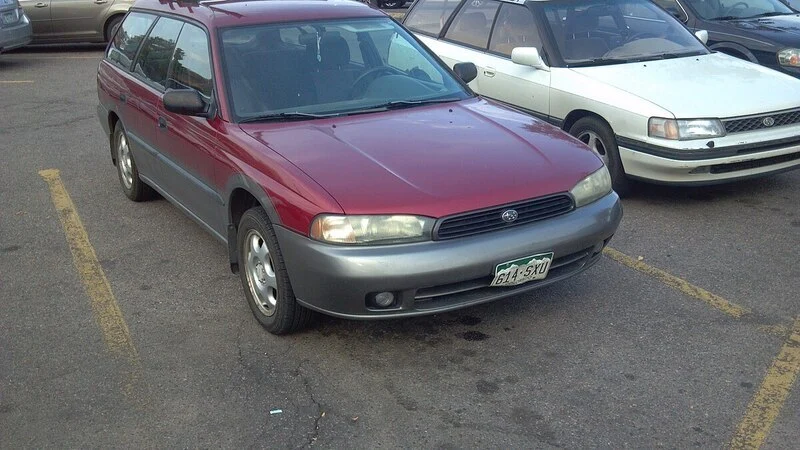
Outback was reliable, practical, and safer for every customer, which quickly made it quite popular, mainly among the enthusiasts seeking outdoor adventure and families seeking year-round traction. Over these three decades, the Subaru Outback has had many generations and upgrades over time.
Some model years of the Subaru Outback are less reliable than others. In this article, we will comprehensively discuss the less reliable model years and the causes that make them, so you can avoid buying them.
Specific Years and Common Problems of Subaru Outback
As mentioned earlier, the Subaru Outback has been incredibly reliable and refined through all these generations, yet with major design changes and technical advancements. Despite this, there were mechanical and a few technological issues associated with these generations. Ergo, we have them altogether for your better understanding, and why you should avoid them.
Subaru Outback Years to Avoid – Quick Guide
Here is the quick overview of Subaru Outback years to avoid:
| Model Year(s) | Major Issues | Common Causes/Components Involved | Suggested Solutions |
| 2000–2004 | Head gasket failure, wheel bearing issues, sunroof leaks, clutch shudder | EJ251 engine, OEM bearings, manual transmission | Use upgraded head gaskets, and replace them with improved parts |
| 2010–2014 | CVT shuddering, parking brake failure, stalling in manual models | Torque converter, EPB actuator, valve clearances | Replace converter, EPB recall, valve adjustment |
| 2015 | CVT noise, high oil consumption, battery drain | Transmission fluid degradation, weak piston rings, and parasitic drain | Replace seals, use a higher-capacity battery |
| 2017–2019 | Brake pedal vibration, fuel pump failure, steering issues | Warped rotors, defective fuel pumps, suspension wear | Replace rotors/pads, fuel pump recall, align wheels |
| 2021–2023 | Low reliability scores, ongoing minor issues reported | Various unresolved complaints (Consumer Reports) | Check recall history, thorough pre-purchase inspection |
1. 2000-2004 Subaru Outback
These are among the Subaru Outback years to avoid due to the following issues:
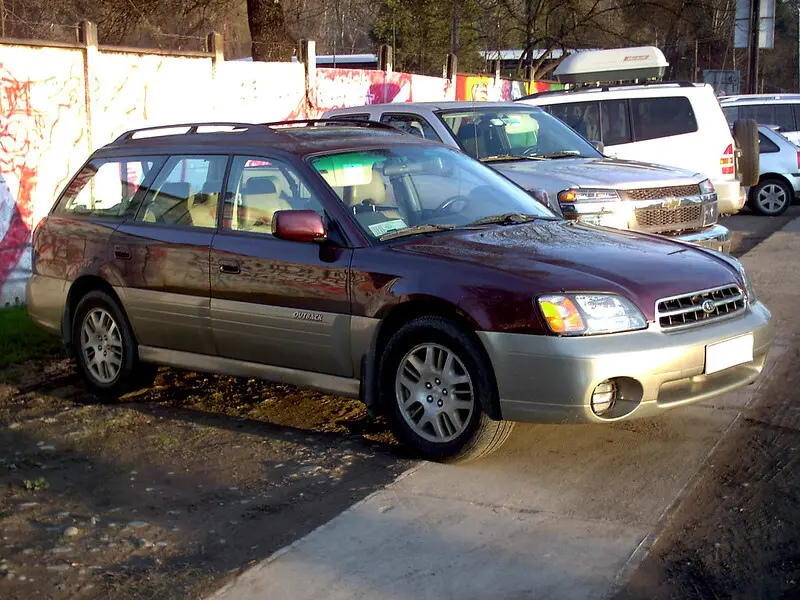
- Head Gasket Failure (EJ251 2.5L SOHC Engine): One of the most common issues with the second generation was head gasket failure, which causes oil and coolant leakages. If you already have this model, the best solution is to replace the gaskets with Fel-Pro PermaTorque MLS Head Gasket.
- Rear Wheel Bearing Failure: 2000 and later models have a premature rear wheel bearing failure, mainly due to a design problem with the OEM wheel bearing and exposure to moisture, road salt, and debris. The only solution is replacement with OEM parts from a post-2003 model.
- Sunroof Drainage Issues: The 2nd generation of Subaru Outback had a common sunroof leakage problem, whose primary reason can be either clogged drain tubes, disconnected rear drain tubes, or worn-out seals. The best solution is to clean these drain lines with a weed trimmer line and check if the drain lines require reattaching.
- Clutch Shudder in Manual Transmissions: The Subaru Outbacks with manual transmissions have clutch issues where, when the clutch is engaged, it will judder and vibrate uncontrollably, only when starting from a stop or shifting gears. One of the main reasons and solutions lies in the clutch disc, flywheel, or hydraulic system.
2. 2010-2014 Subaru Outback
Another Subaru Outback years to avoid is from 2010 to 2014 due to various issues such as:
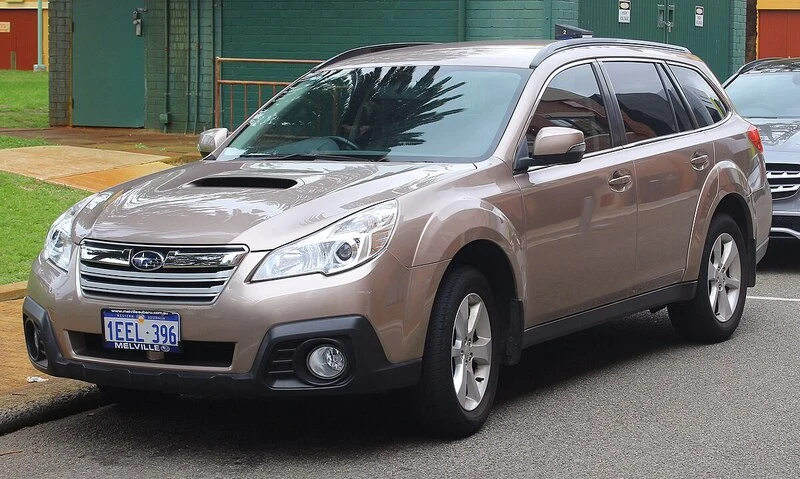
- CVT Transmission Shuddering and Torque Converter Issues: In upper-year models, many owners reported that the automotive variant of the Subaru Outback (with Lineartronic CVT) had some sort of shuddering and stalling when accelerating at slow speeds or when stopping. The culprit behind all these CVT transmission issues is the torque converter, which requires immediate replacement.
- Manual Transmission Stalling Issues: The 2010 Outback owners widely reported transmission stalling, either decelerating or when stopping, whose main reason is that the tight valve clearances. The only solution to this issue is adjusting the valves according to the correct specifications.
- Parking Brake Module Malfunctions: The 2010-2014 Subaru Outback models had a parking brake module, which is due to the EPB actuator’s circuit board, specifically involving a capacitor and the actuator stroke sensor’s magnetic ring. The solution to this problem is model recall by Subaru, where they replaced the faulty EPB actuator
3. 2015 Subaru Outback
It is also one of the Subaru Outback years to avoid for the following reasons:
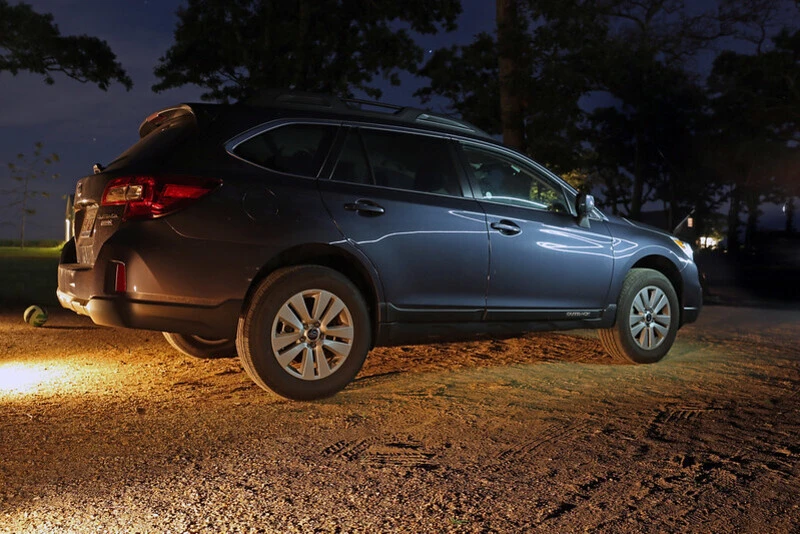
- CVT Transmission Shuddering: The 2015 Outback owners have reported that there were strange noises from the transmission and some reported shuddering and even delayed gear shifting, which is due to degraded transmission oil.
- Engine Oil Consumption: The 2015 Subaru Outback comes with a 2.5L gasoline engine, in which piston ring seals were weak from the manufacturing and caused engine oil leakage into the combustion chamber. This issue can be addressed by replacing the seals and regularly monitoring top-off oil levels.
- Battery Drain and Premature Failure: Many 2015 Outback owners have experienced and reported that their batteries were draining if the car remained in the garage for a couple of days. The leading cause of this battery drainage is current leakage to any component. The only way to avoid this is to replace a higher-ampere battery and check current leakage through the main harness wiring.
4. 2017–2019 Subaru Outback
2017-2019 Subaru Outbacks should be avoided due to issues in:
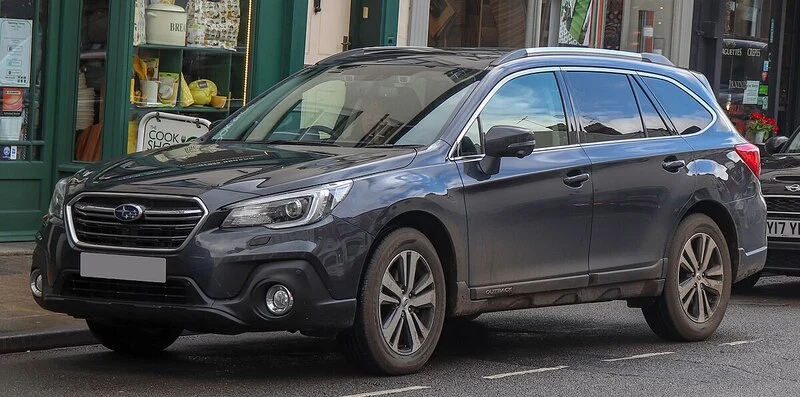
- Vibrating while braking: The 2017-2019 Subaru Outback owners reported that there was vibration in the brake pedal. The vibrations were felt particularly when applying the brakes. The culprit for these vibrations can be either warped brake rotors or worn brake pads. The solution is replacing the brake pads and even rotors in worse scenarios.
- Fuel Pump Failures: In the same generation, many Outback owners also experienced fuel pump failure, due to which either engine would stall or would not accelerate. Subaru recalled specific models for the replacement of defective Denso fuel pumps. You can get the fuel pump replaced as a solution.
- Steering and Suspension Issues: Many owners reported that the steering is pulling to one side, and some reported clunking noises from the suspension. Both of these issues are linked with suspension components (such as worn-out suspension bushings and struts). If you are experiencing one, it’s better to get wheel alignment done before replacing suspension components.
5. 2021-2023 Subaru Outback
2021-2023 Subaru Outback vehicles are not a wise decision to buy, however, they have fewer issues than the previous models. Here we have presented customer reports and reliability scores of these models:
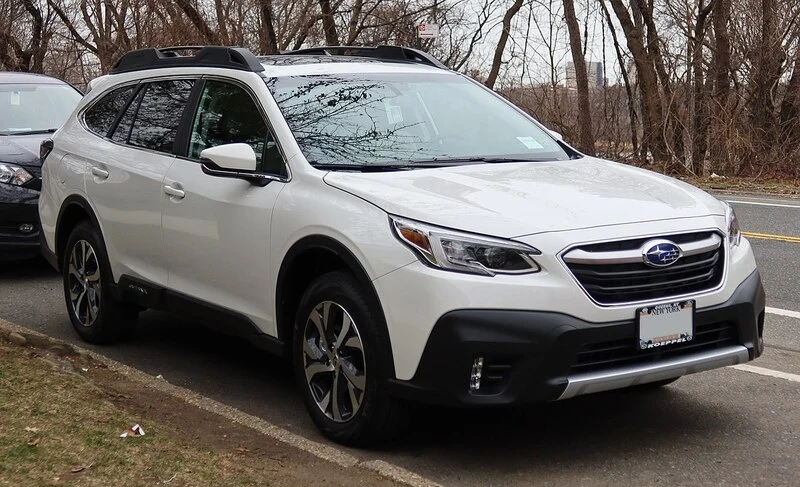
- Data from Consumer Reports & Reliability Scores: Consumer Reports is an independent rating organization that strictly monitors and evaluates different automanufacturers, and rates them based on reliability, safety, owner satisfaction, and road tests, where the owner satisfaction metrics score was 82 out of 100. The Subaru Outback’s reliability trajectory has been quite low over the recent model years, with the 2021 model receiving a poor reliability rating of 44/100 from Consumer Reports. Whereas, the 2022 and 2023 model years were slightly better at reliability scores of 49/100. That’s not it, the 2024 and 2025 models maintained a single reliable score of 50/100, representing only a single-point improvement over the previous two years.
- JD Power Ratings: JP Power is another independent reliability rating institute whose reliability scores are authentic and well-accredited globally. However, their reliability evaluation criteria are quite different from Consumer Ratings, and so are their ratings. For the recent models of Subaru Outback, their ratings were:
2022 Subaru Outback
- Quality & Reliability: 73/100
- Driving Experience: 79/100
- Resale: 81/100
- Dealership Experience: 88/100
2023 Subaru Outback
- Quality & Reliability: 80/100
- Driving Experience: 77/100
- Resale: 85/100
- Dealership Experience: 89/100
2024 Subaru Outback
- Quality & Reliability: 80/100
- Driving Experience: 78/100
- Resale: 84/100
- Dealership Experience: 89/100
NHTSA Recalls and Complaints
According to the U.S National Highway Traffic Safety Administration, Subaru had to recall nearly 118,000 of their vehicles in the last year, out of which many were 2020-2022 models of the Outback. The recall was made due to a problem with a capacitor in the Occupant Detection System (ODS) sensors was faulty, which prevented the front passenger airbag from deploying in a crash.
What are Some Pre-Purchase Inspection Tips
If you have made up your mind to buy a used Subaru Outback, then we recommend you do a few careful considerations to avoid costly surprises down the road. Our pre-purchase inspection tips can help you avoid inheriting anyone’s problems into yours.
First things first, you can start with the physical inspection to see how the previous owner has used the car. You should check out the following points on the used Subaru Outback before making a deal:
Check Exterior:
- See for signs of accidents (mismatched paint, panel gaps).
- Inspect for rust (wheel arches, door panels, rear gate).
- Look for uneven tire wear (indicates alignment issues).
- Check all doors, bonnet, and rear gate hinges.
Checking for Oil Leaks:
- Look for fresh oil puddles underneath the parked car (before starting).
- After idling for a few minutes, check if any oil is leaking underneath.
- Inspect the engine for oil leakage through valve covers or the oil pan.
- Check the oil dipstick before starting.
Conclusion
Subaru Outback is a phenomenal mid-sized sport utility vehicle with a bunch of off-roading and highway cruising comforts. However, there were some technical and mechanical issues with the older models, and you can simply either avoid buying those or solve the cause of the problems.
If you’ve finally made up your mind to buy a used Subaru Outback, we recommend you get a professional pre-purchase inspection. Ask the previous owner or dealership about its service records to know the vehicle’s maintenance history and any past repairs. Last but not least, it’s your hard-earned money you are investing. A little caution beforehand can save you!
