
The Hidden Consequences of a Car Accident: Most Victims Don’t Realize
A car accident often feels like a single event that ends when the vehicles stop moving. The damaged car, the loud impact, and the sudden stop usually receive the most attention.
Yet the real consequences begin to unfold after the road clears. Injuries may appear slowly, financial pressure can build over time, and legal questions often follow.
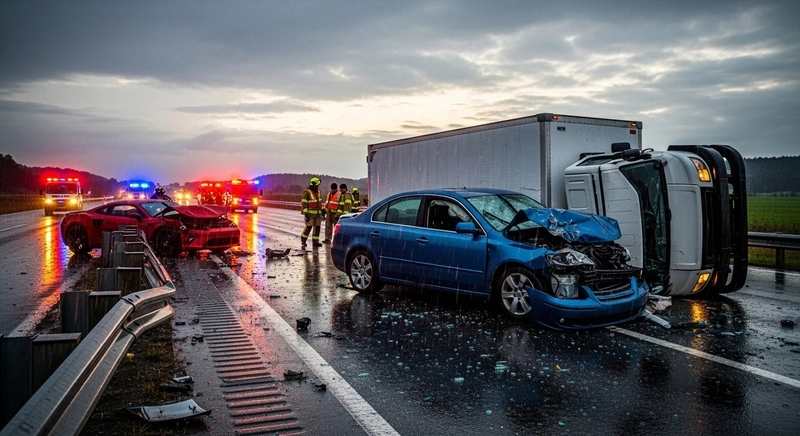
Many people first focus on repairing the vehicle, but the broader impacts of a crash extend far beyond metal and glass. Some victims even decide to file a car accident lawsuit after realizing how deeply the crash has affected their health, finances, and daily stability.
Injuries That Do Not Show Up Right Away
Not every injury becomes clear immediately after a collision. The body releases adrenaline during a sudden accident, which can hide pain and discomfort for hours or even days. A person might walk away from the crash scene feeling stable, only to experience stiffness, headaches, or serious pain later.
Whiplash is one of the most common delayed injuries after a crash. The neck moves sharply during impact, which strains muscles and ligaments. Initially, the discomfort may seem minor, but swelling and stiffness can worsen later. Head injuries can also develop slowly. A mild concussion may not show strong symptoms right away, but it can affect memory, balance, and concentration in the days that follow.
Soft tissue injuries are another hidden issue. Muscles, tendons, and ligaments may stretch or tear during a collision, and the pain may grow gradually rather than immediately. Internal injuries are even more concerning because they are not visible. Damage to internal organs can take time to produce symptoms, which is why medical care after an accident is so important. A proper evaluation allows doctors to detect injuries before they become more serious.
The Financial Pressure That Builds Over Time
Car accidents rarely end with a single expense. The cost of recovery often increases over time as medical treatment continues and other responsibilities accumulate. Many people expect repair costs to be the largest financial concern, yet the true financial strain usually comes from medical care and lost income.
Medical treatment may begin with emergency care, but it often continues with follow-up visits, physical therapy, or medication. Each step adds another bill. If injuries limit a person’s ability to work, lost wages can quickly increase the financial burden.
Vehicle damage remains a significant concern. Many drivers rely on insurance policies that include collision coverage for vehicle damage, which helps pay for repairs after an accident. Even with this coverage, there may still be deductibles and other costs that drivers must pay out of pocket.
Insurance Complications After an Accident
Insurance claims often appear straightforward at first. Drivers report the accident, submit documentation, and expect the process to move smoothly. In reality, insurance claims can become complex because each insurer investigates the accident carefully before determining the amount of compensation to pay.
Insurance companies review accident reports, medical records, photographs, and witness statements. Their goal is to understand what happened and who was responsible. During this process, disputes may arise when parties disagree on fault or injury severity.
Maintaining clear records is essential at this stage. Helpful documentation may include:
- Medical reports and treatment records.
- Photographs of the accident scene and vehicle damage.
- Repair estimates and invoices.
- Statements from witnesses who saw the crash.
- Written communication with insurance representatives.
Strong documentation creates a clearer picture of the accident and helps reduce confusion during claim discussions.
The Emotional Effects of a Car Accident
The physical and financial impact of an accident often receives the most attention, yet emotional stress can also follow a serious crash. A sudden collision can leave a lasting impression on a person’s sense of safety and comfort while driving.
Some individuals feel nervous every time they return to the road. Others experience difficulty concentrating while driving, especially in heavy traffic or at busy intersections. Stress may also increase when managing medical appointments, insurance conversations, and repair issues simultaneously.
These emotional reactions are a natural response to a frightening experience. Recovery after an accident often involves more than physical healing. It may also require time to rebuild confidence and stability in everyday routines.
Key Takeaways
A car accident rarely affects only the vehicle involved. Hidden injuries, financial strain, complicated insurance claims, and emotional stress can all develop after the crash itself is over. Recognizing these consequences helps accident victims approach recovery with greater awareness and preparedness.
Medical attention, careful documentation, and clear communication with insurance companies all play an important role in protecting a person’s interests after an accident. In more serious cases, some individuals choose to file a car accident lawsuit in order to seek compensation for the losses connected to the crash.
