
Top Safety and Legal Steps After a Car Accident in Houston
A crash in Houston can turn a normal drive into a long problem in seconds. In 2024, Houston recorded 66,236 crashes, including 318 fatal crashes and 339 fatalities, while Harris County logged 115,173 crashes. Across Texas, the same year brought 4,150 roadway deaths and a fatality rate of 1.35 deaths per hundred million vehicle miles traveled. The data shows the share volume of accidents in the region. While it may not always be possible to prevent the accident, we can take certain actions to safeguard ourselves after the unfortunate crash. This guide focuses on the moves that protect your health first and your legal position right after that.
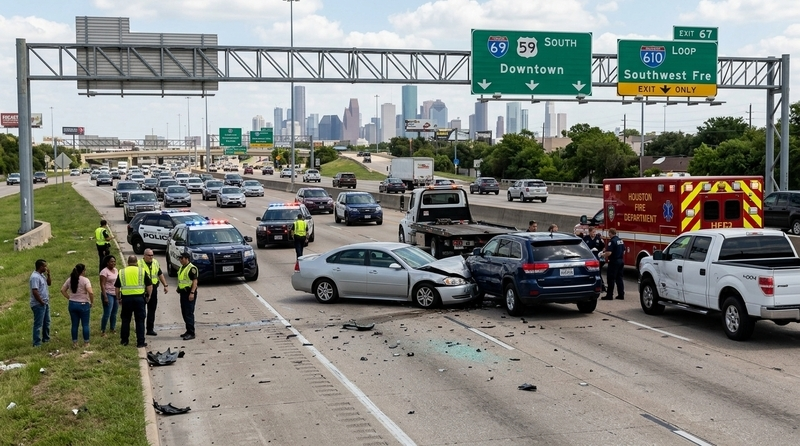
Put Safety First Before Anything Else
The most sensible question is what to do after a car accident in Houston. The priority is to check for injuries, get out of traffic if you can do it safely, and call 911. Texas Transportation Code requires drivers involved in injury or death collisions to stop and render reasonable aid. If the crash involves damage to an attended vehicle, Texas law also requires the driver to stop, exchange information, and remain at the scene until those duties are met.
That early police response is significant far more than paperwork. An officer’s report anchors the basic facts while memories are still fresh and the scene still looks the way it did at impact. Once traffic starts moving again, critical details vanish fast.
Trade Information, Not Arguments
Once everyone is safe, exchange the basics with the other driver: name, address, driver’s license details, vehicle information, and insurance. Keep the conversation short. Houston lawyers consistently warn that casual apologies, speculation, and blame-shifting tend to become evidence later, often in a way the speaker never intended. Witness names and phone numbers matter too, since bystanders often leave before police finish their work.
This is also the point where a clean record begins to form. Note the time, location, traffic pattern, weather, lane conditions, and any visible hazards such as debris, brake marks, broken glass, or a traffic light problem. Photos and short videos are worth more than a long memory dump later, because insurance adjusters and defense lawyers pick apart small inconsistencies with ease.
Build a Strong Evidence Trail Early
The scene can change quickly after a Houston crash. Tow trucks arrive, road crews clear the street, and the cars themselves get moved before anyone is ready. Therefore, it is wise to photograph the damage from several angles, capture license plates, and record visible injuries before anything gets cleaned up or towed away. You must also keep screenshots of any relevant messages or calls, since digital clutter often becomes important later.
This step can feel minor while you are standing in the heat beside a wrecked car, yet it often decides how credible the claim looks later. A few clear images of lane markings, traffic signals, skid marks, and car placement can answer questions that arguments never settle. The documentation also helps when a crash happened in a heavy-traffic corridor, where small details carry a lot of weight.
Get Medical Care Even When Pain Feels Mild
Many victims walk away from a collision feeling stiff, shaky, and convinced they can wait until morning. That gamble backfires more often than people expect. You should know that concussions, whiplash, internal bleeding, and similar injuries may take hours or days to make themselves obvious, which is why a prompt medical exam is so important even when the body feels manageable at the scene.
Medical records also do legal work. They create a timeline that links the crash to the symptoms, the diagnosis, and the treatment. When treatment starts late, insurers often lean hard on that gap and argue the injury came from somewhere else. A same-day or next-day evaluation keeps that door much harder to open.
Deal With the Insurer Carefully
After the scene clears, the insurance calls begin. That stage feels routine, but it can become the most expensive part of the entire case. Experts caution against recorded statements, broad medical releases, and quick settlement forms, because those documents can limit the claim before the full injury picture is known. Reporting the crash early is wise. Signing away leverage early usually is not.
The safest approach is to stick to verified facts, keep your notes, and let the file develop before discussing final numbers. If a claim later needs to be negotiated or filed, those early records often decide whether the case feels solid or flimsy from the start.
Why Houston Numbers Raise the Stakes?
The city’s 2024 crash total, the fatal crash count, and the county-wide volume all point to the same reality: road collisions here happen often enough that local police, insurers, hospitals, and courts see them every day. The difference between a smooth claim and a difficult one usually comes down to how fast the scene was documented and how carefully the first decisions were made.
That is why local legal help could be vital early. A lawyer can preserve evidence, gather records, communicate with insurers, and keep the claim from drifting while bills pile up. That practical support is particularly crucial when the crash involved serious injuries, disputed fault, or a driver who left the scene.
Bottom Line
After a Houston crash, the safest path is usually the least dramatic one. Protect people first, call police, document the scene, get checked by a doctor, and keep insurance conversations tight. Houston’s crash numbers make one thing clear: small decisions at the scene can shape the entire case later.
FAQs
Speaking too freely before the facts are clear. A quick apology or guess about what happened can come back later during an insurance claim or lawsuit. Missing important deadlines can also create serious problems.
1) Check yourself if you are injured.
2) Contact emergency department.
3) Find a safe spot to save yourself from moving vehicles.
4) Information exchange can be beneficial later.
5) Photos and videos can help.
6) Medical attention is more important than we think.
7) Report the crash and keep records.
The sooner you can contact your lawyer, the easier it might become for you later on in the case. You definitely want to protect evidence, deal with insurance companies, and prevent mistakes that may hurt your claim.
