
How Traffic Camera Footage Can Change a Car Accident Claim
A few seconds of blurry traffic footage can suddenly become the loudest voice in a car accident claim.
Drivers may leave the same crash scene with completely different stories, and each side often feels certain they are right. Insurance companies hear these disagreements every day, which is why outside evidence matters after serious collisions. Video footage from traffic cameras can sometimes show details nobody noticed at the scene, including speed, signal changes, and unsafe turns.
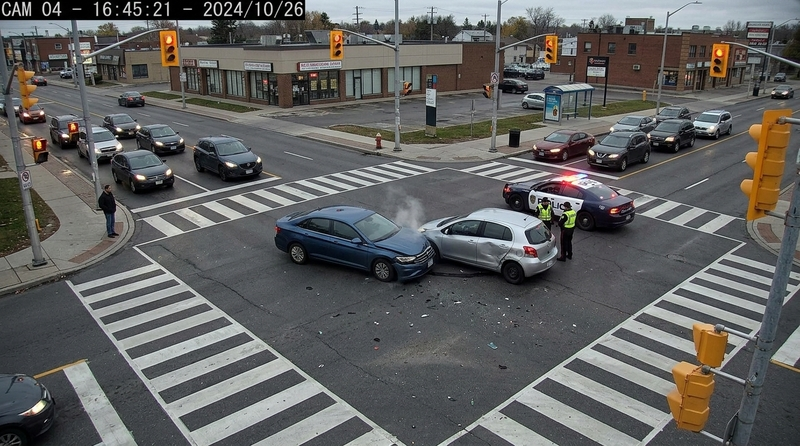
That kind of evidence may completely shift how a claim moves forward. People trying to prove liability in car accidents often discover that one camera angle can change everything quickly.
Why Car Accident Claims Often Turn Into Disputes
Different Drivers Usually Tell Different Stories
Car accidents create confusion almost immediately. One driver may believe another vehicle ran a red light, while the second driver may insist the signal was still yellow. Stress and fear at the crash scene can affect how people remember events later.
These disagreements become a problem during insurance investigations. Companies must decide who caused the crash before discussing payments and damages. Without strong evidence, fault discussions can continue for weeks.
Witnesses Do Not Always See Everything Clearly
Witness statements can help, but they are not always complete. A person standing across the street may only see the final seconds before impact. Another witness may notice one vehicle speeding but miss another dangerous action nearby.
Traffic camera footage becomes useful because cameras record events without emotions or panic. Video evidence often gives investigators a clearer view of what happened before and during the collision.
What Traffic Camera Footage Usually Captures
Speed, Signals, and Driver Actions
Traffic cameras often record actions that drivers forget or deny later. Footage may show a vehicle turning without stopping, driving through a red light, or changing lanes too quickly. Investigators also study timing carefully because even a few seconds can affect how the fault is viewed.
Drivers attempting to prove liability in car accidents sometimes depend heavily on this footage because it can support details already included in police reports or witness statements.
Road and Weather Conditions
Traffic cameras may also capture conditions surrounding the accident. Rain, heavy traffic, blocked signs, or low visibility can appear in recorded footage. These details help investigators understand why the collision happened and whether outside conditions affected driver behavior.
How Video Evidence Changes Insurance Investigations
Insurance Companies Review Claims Differently With Footage
Insurance adjusters often review claims more carefully once video evidence becomes available. Clear footage may shorten arguments because the events are visible instead of being described from memory alone.
Video evidence can also push insurance companies to move claims faster. A recorded collision sometimes removes enough doubt to support quicker decisions about responsibility and damages.
Footage Can Strengthen or Weaken a Claim
Not every video helps the person requesting compensation. Some footage may support one driver while damaging another driver’s version of events. Investigators compare recorded actions with medical records, statements, and police reports to look for consistency.
That is why accurate information matters after any crash. A contradiction between video evidence and a driver’s statement can create problems during the claim process.
Problems That Still Happen With Traffic Camera Evidence
Not Every Accident Is Recorded Clearly
Traffic cameras do not capture every detail perfectly. Some cameras face the wrong direction, while others record from far away. Poor lighting, bad weather, or blocked views may also limit what investigators can actually see.
A video clip may show the collision itself, but fail to capture what happened seconds earlier. Missing details can still leave room for disagreements.
Video Access Is Not Always Immediate
Traffic footage is not always easy to obtain quickly. Some recordings are erased after short periods, while others require formal requests before release. Delays sometimes cause important evidence to disappear before investigators review it.
Other Evidence Still Matters in a Car Accident Claim
Traffic footage works best alongside other forms of evidence instead of replacing them entirely. Investigators often review several pieces together before reaching conclusions.
Important supporting evidence may include:
- Police reports
- Medical records
- Vehicle damage photos
- Witness statements
Each piece helps create a fuller picture of what happened before, during, and after the accident.
Closing Thoughts
Traffic camera footage has changed the way many car accident claims are investigated today. Video evidence can reduce confusion, expose dangerous driving behavior, and support facts that might otherwise remain disputed for months.
People dealing with serious collisions often learn that fast evidence collection matters more than they expected. Strong records, accurate statements, and available footage can all shape how a claim moves forward after a crash.
