
Precautions to Take in an Accident-Prone Area
Driving through an accident-prone area requires extra caution, awareness, and defensive driving habits to reduce the risk of crashes and injuries. Areas with heavy traffic, poor visibility, speeding vehicles, or confusing road designs often experience more accidents than normal roads.
Drivers who stay alert, follow traffic laws, and slow down in risky locations can improve their safety significantly. This becomes even more important near the most dangerous road intersections, where sudden stops, speeding, and distracted driving are common causes of serious accidents.
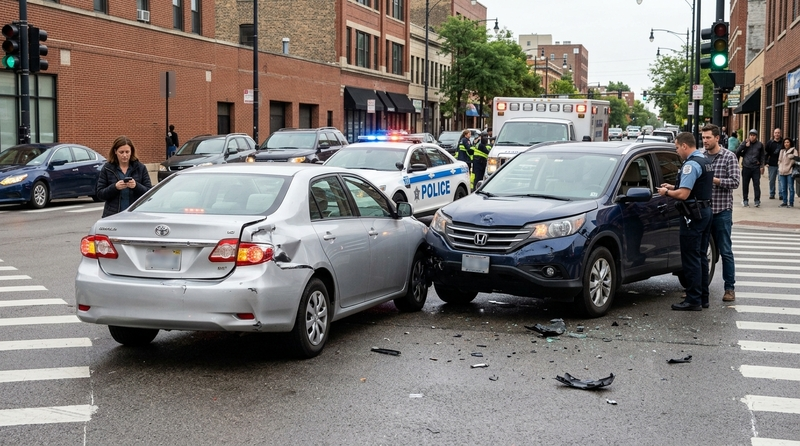
Accident-prone areas can include highways, busy city intersections, school zones, construction zones, and roads with poor lighting or sharp turns. Even experienced drivers can face dangerous situations if they become distracted or careless. Understanding how to drive safely in these areas can help protect not only drivers but also passengers, pedestrians, and cyclists.
Slow Down and Stay Alert
One of the most important precautions in accident-prone areas is reducing speed. Speeding gives drivers less time to react when traffic suddenly stops or hazards appear on the road.
Drivers should pay close attention to the following:
- Traffic signals
- Brake lights ahead
- Pedestrians crossing
- Road signs
- Sudden lane changes by other drivers
Driving at a safe speed improves reaction time and lowers the severity of accidents if a crash happens.
Avoid Distracted Driving
Distracted driving is one of the leading causes of accidents in high-risk areas. Looking at a phone for even a few seconds can prevent a driver from noticing sudden traffic changes.
Common distractions include:
- Texting while driving
- Using GPS without attention
- Eating or drinking
- Adjusting music or controls
- Talking without focusing on the road
In many states, distracted driving is illegal. For example, California Vehicle Code Section 23123 prohibits drivers from using handheld phones while operating a vehicle.
Keeping full attention on the road is especially important in heavy traffic and busy intersections.
Maintain a Safe Following Distance
Tailgating increases the risk of rear-end collisions, particularly in crowded traffic areas. Drivers should leave enough space between vehicles to react safely if the car ahead brakes suddenly.
A safe following distance becomes even more important during:
- Rain or fog
- Heavy traffic
- Night driving
- Construction zones
- Highway merging areas
Leaving extra space gives drivers more time to avoid accidents.
Watch for Pedestrians and Cyclists
Accident-prone areas often have large numbers of pedestrians and cyclists. Drivers should stay alert near schools, shopping centers, parks, and downtown streets where people may cross unexpectedly.
Important safety tips include:
- Slow down near crosswalks
- Check blind spots carefully
- Yield to pedestrians when required
- Watch for cyclists changing lanes
- Use extra caution at night
Pedestrian accidents can lead to serious injuries and major legal consequences for drivers.
Be Careful in Bad Weather
Rain, fog, snow, or wet roads can make accident-prone areas even more dangerous. Poor weather reduces visibility and makes it harder for vehicles to stop quickly.
During bad weather, drivers should:
- Reduce speed
- Turn on headlights
- Avoid sudden braking
- Increase following distance
- Stay alert for slippery roads.
Even familiar roads can become hazardous when weather conditions change suddenly.
Follow Traffic Signs and Signals
Busy intersections and dangerous roads often have clear warning signs for drivers. Ignoring traffic signals or road signs increases the chance of collisions.
Drivers should pay attention to:
- Stop signs
- Speed limits
- Lane merge warnings
- Construction signs
- School zone signals
Traffic laws exist to improve road safety and reduce accidents in crowded areas.
Stay Calm Around Aggressive Drivers
Aggressive drivers are common in heavy-traffic areas. Tailgating, speeding, sudden lane changes, and road rage can create dangerous situations quickly.
If another driver behaves aggressively:
- Avoid making eye contact.
- Do not respond with anger.
- Move out of their way safely
- Focus on defensive driving
- Report dangerous behavior if necessary
Staying calm helps prevent situations from becoming worse.
Use Defensive Driving Techniques
Defensive driving means always being prepared for mistakes made by other drivers. In accident-prone areas, this mindset can help drivers avoid crashes.
Defensive drivers usually:
- Scan the road ahead constantly
- Expect sudden stops
- Watch nearby vehicles carefully
- Avoid risky lane changes
- Prepare for unexpected hazards
These habits improve safety in crowded or high-risk traffic zones.
Key Takeaways
- Slowing down is one of the best ways to reduce accident risks.
- Distracted driving increases danger in accident-prone areas.
- Safe following distance helps prevent rear-end collisions.
- Drivers should watch carefully for pedestrians and cyclists.
- Bad weather makes dangerous roads even riskier.
- California Vehicle Code Section 23123 bans handheld phone use while driving.
- Defensive driving habits improve safety in high-traffic areas.
