
Understanding Vehicle Insurance Options After an Accident
No one wants to get in a car accident, but with around 6 million police-reported traffic crashes each year, the odds are not in your favor. So, it’s best to know what to do when it happens, including what happens to your insurance.
Whether you decide to adjust your current policy or find a new provider, you have options (good ones). However, after a crash, things are a bit hazy and emotional. To make sure you’ll be able to protect your interests, we put together this guide.
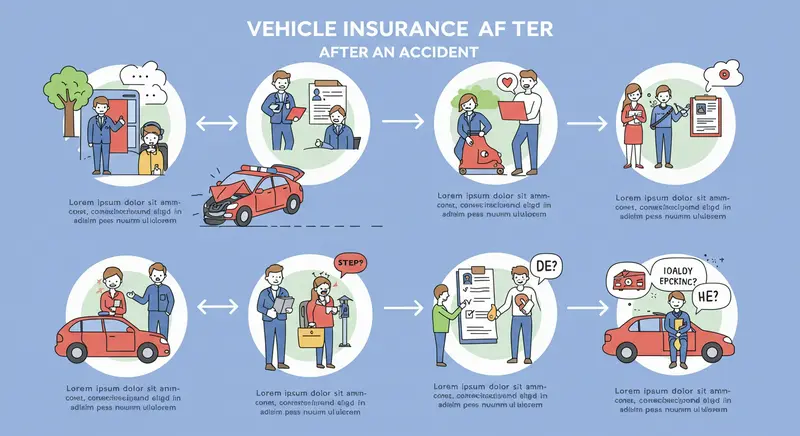
We’ll offer practical insights and essential tips to help you make confident decisions during this process.
The Basics of Post-Accident Coverage
When you report an accident to your insurer, they start the assessment process to determine payouts and evaluate fault. Your existing policy still covers you.
However, depending on the accident’s severity and who is deemed responsible, your premium might increase at renewal time due to higher perceived risk. Some insurers raise premiums even if you file minor claims (depending on company-specific thresholds) or adjust discounts you previously had.
Accident forgiveness programs can sometimes shield you from these hikes for a first offense but vary between providers and policies.
When to Consult a Car Crash Attorney
Most of us go to an auto crash attorney to help us sort out the mess after an accident, but did you know you can also ask for insurance advice?
A dispute over liability (when fault is unclear or contested, for instance) could impact your claim payout. In this case, an attorney helps ensure fair handling of the situation and advocates on your behalf.
Negotiating settlements with insurers can also be challenging, especially if they undervalue repairs, losses, or damages. However, you can speed up things with a reliable accountant on your side. They can present evidence and push for equitable compensation.
Do I Have to Update My Current Plan?
It depends. If your current policy left you high and dry, with high out-of-pocket costs for repairs or injuries, you may want to upgrade to comprehensive or collision coverage for better protection in the future.
Usually, liability-only policies cover the damages you cause to others but won’t pay for your vehicle’s repairs, leaving you with hefty out-of-pocket costs. Comprehensive and collision plans, on the other hand, cover damage to your car (whether it’s due to accidents, theft, vandalism, or natural disasters).
You will most likely see a slight rise in premiums, but these enhanced policies offer peace of mind by minimizing unexpected expenses down the road.
If you like your current plan but the damages exceeded your policy’s maximum payout, it’s best to review and adjust the limits. Claim limits and deductibles significantly impact how much your insurance covers versus what you pay out of pocket.
For example, if your policy’s liability limit is $50,000 but damages exceed that amount, you’re responsible for covering the difference. To avoid this scenario, talk to your insurer and decide on higher limits.
Specialized Coverage Considerations for Totaled Vehicles
If your car is totaled in an accident, the insurer typically pays its actual cash value (ACV). Gap insurance can also cover the difference if you owe more on a loan or lease than the ACV.
Some policies also include new car replacement coverage, which usually provides enough to buy a similar vehicle without added expenses.
Lastly, if your driving style changes after the crash (it’s quite common to drive less frequently), you should consider exploring reduced mileage plans. These options lower premiums by basing rates on limited usage.
Wrap Up
A car accident shows you the limits of your insurance plan. So, the smartest move after a car crash is to assess the gaps in coverage and consider upgrading to a comprehensive or collision plan.
It’s only natural to customize your policy to fit new circumstances. This will help you make sure you’re prepared for any future road challenges.
