
What is Next in Car Buying Tips with Emerging Automotive Data?
The car buying landscape is changing fast! With new automotive data trends, AI-driven insights, and real-time market analytics, you can now make smarter decisions than ever before.
Whether you’re hunting for a fuel-efficient sedan, an electric vehicle, or a luxury SUV, leveraging cutting-edge automotive data can help you negotiate better, avoid hidden costs, and future-proof your investment.
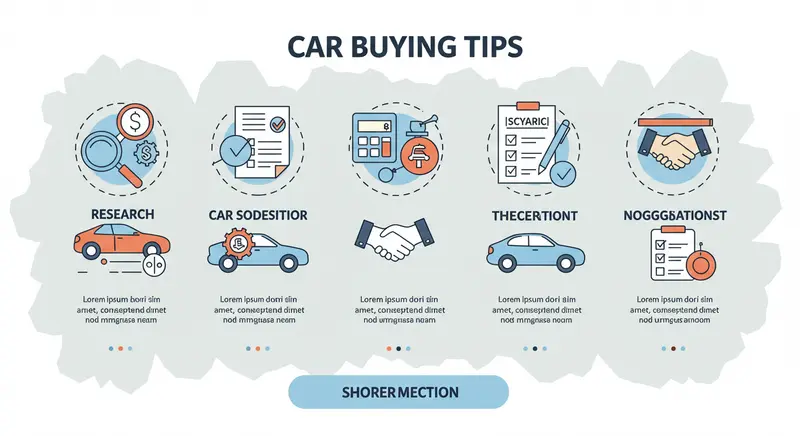
Luckily, we can help. Read on to learn more.
Understanding ACES: The Backbone of Automotive Data
ACES is an emerging standard designed to provide a common framework for automotive data. By creating a consistent vocabulary for vehicle configurations, ACES helps both consumers and dealers understand the intricacies of vehicle specifications.
For instance, when shopping for a vehicle, consumers can easily access detailed information about engine types, safety features, fuel efficiency, and even entertainment options, all organized in a straightforward manner.
Imagine being able to compare multiple vehicles with just a few clicks. With ACES and similar standards, consumers can quickly evaluate options across different brands and models, ensuring that they choose the vehicle that best meets their needs without getting lost in a sea of technical jargon. ACES and PIES software can help you navigate properly.
Data-Driven Insights for a Smarter Shopping Experience
Emerging automotive data goes beyond mere configuration comparisons. It empowers consumers with insights that can significantly enhance their decision-making processes.
By aggregating data regarding user reviews, long-term reliability scores, and even predictive maintenance alerts, potential buyers can evaluate vehicles not just on initial specs but based on their long-term value.
For example, a consumer interested in a specific SUV model might examine aggregate data showing:
- Average repair costs over five years
- Common issues reported by other owners
- The type of care that different vehicles require
This kind of data can help buyers assess whether they’re investing in a vehicle that will serve them well in the long run or if they should consider an alternative.
Embracing Technology: Virtual Showrooms and Augmented Reality
As we look towards 2025, the integration of innovative technology in the car-buying process will continue to rise. Virtual showrooms powered by AR and VR will provide an immersive experience for consumers. Imagine virtually walking through a dealership, exploring various vehicles, and even customizing features in real-time without leaving the comfort of your home.
This technology can also be enhanced by ISO-compliant data sources, such as ACES, to provide accurate and up-to-date information about each vehicle’s features and specifications as consumers interact with them. For buyers, this means a more engaging and informative experience where prospective vehicles can be examined from all angles.
The Role of AI in Simplifying the Buying Process
Artificial intelligence is important for the future of car buying. By analyzing vast amounts of automotive data, AI can provide tailored recommendations based on a buyer’s unique preferences and needs. For instance, a consumer searching for a family car may receive suggestions based on:
- Safety ratings
- Interior space
- Reliability scores
Chatbots and virtual assistants help the process by answering inquiries in real time, guiding users through vehicle configurations, financing options, and even test-driving scheduling. This personalized interaction ensures that buyers feel informed and confident in their decisions.
For those interested in harnessing the power of artificial intelligence and data analysis in automotive research or car buying, exploring engaging ML training at DataCamp can be a great way to build relevant skills for understanding and leveraging emerging market insights. – Placement
Subscription-Based and Usage-Based Pricing Models
Usage-based pricing takes flexibility a step further by allowing consumers to pay based on the distance they drive or the time they use the vehicle.
This model is particularly beneficial for those who use a car infrequently or for specific occasions, such as weekend trips or commuting. By charging only for actual usage, people can save on costs that come with owning a vehicle that sits idle for extended periods.
Preparing for the Future of Car Buying
As the automotive industry continues to evolve, data-driven insights are transforming the way consumers buy cars. Emerging technologies are making the car-buying experience more transparent, efficient, and tailored to individual needs.
If any of that appeals to you, it’s time to jump on board!
