
What Should You Do When You See a Flashing Yellow Traffic Signal at the Next Intersection?
The lights are also the single most effective safety device available, cutting the frequency of crashes in half at busy intersections, according to the Federal Highway Administration. They direct traffic, safeguard pedestrians and contribute to the elimination of chaos in our streets. There are a few signs drivers encounter that leave them in the dark, both actually and figuratively, about whether to flick those flashing lights off. A sign reading “Flashing Yellow Light” may be an even clearer clue. “What does a flashing yellow light at an intersection mean?” It’s easy enough to describe, and it matters both for safety and for how many useless tickets you avoid.
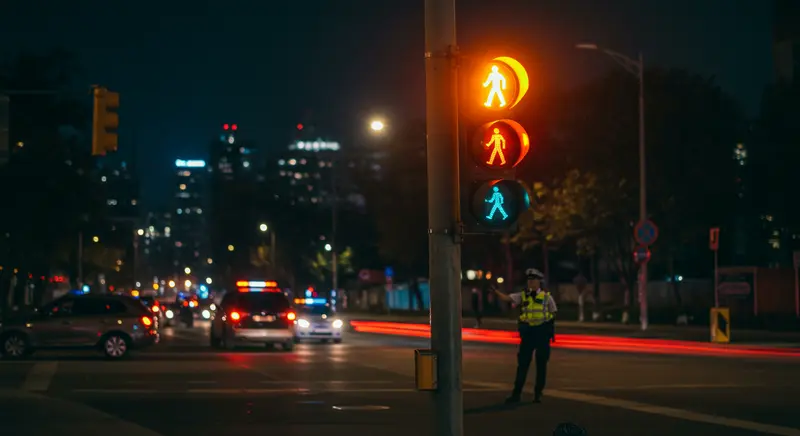
What Does a Yellow Blinking Traffic Light Mean?
A blinking yellow light is a precursor for “Caution. Except, instead of a solid yellow (you are stopping, no choice) or flashing red (do it), the flashing yellow is telling you something like “Don’t stop but don’t go too fast.”
The CA DMV handbook says that for a flashing yellow 322: “Slow down and proceed through the intersection with caution.n” The Georgia DDS driver’s manual also states that drivers can proceed when dealing with a flashing yellow light; however, they should do so cautiously and yield as required.
Why Traffic Lights Can Turn Flashing Yellow?
A flashing yellow light is intended to alert drivers of places where they need to use caution, but do not have to stop. Common reasons include:
- Areas where visibility is limited.
- Roads are frequently crossed by pedestrians or cyclists.
- The Time at the signal is activated, either at night or in an emergency.
- Each of these lights helps traffic flow and warns drivers to be cautious.
How to Respond When You See a Flashing Yellow Light?
Here’s how to traverse the territory safely:
Not to put the brakes on getting to that junction.
Its throbbing yellow tells you to lift, slow down. This slows you down and makes it easy to respond to anything unexpected. An estimated 29 percent of all U.S. traffic fatalities are speeding-related, according to the NHTSA, so it’s better for everyone (and their teeth) if things go slow.
Stay alert and look around
Now is the time to be particularly vigilant. Look out for pedestrians, bicycles or vehicles that may slip on by. And when over 137,000 pedestrians are injured in one year (CDC), take a moment to pay attention and keep your eyes on the road.
Yield if needed
But if you are going to budge, either get out of the way or slow down as long as it is clear. Don’t floor it and don’t assume anyone else is going to act like they’ve got a lick of sense. Treat flashing yellow intersections as hazardous areas and go defensively.
Proceed with caution
Pull over and give way, proceed with caution until you pass the oncoming vehicle. Don’t rush forward, or assume that others will do the right thing. Treat flashing yellow intersections as the hazard zones they are and pass through them with caution.
Common Mistakes to Avoid
Most people don’t understand what flashing yellow lights mean, either. The most frequent errors include:
Stopping unnecessarily
One of the worst things you can do is treat it as if it were a red light because suddenly no one else has to stop, and now you are making yourself stop for no reason.” This can impede traffic and distracted drivers behind you can cause a rear-end collision.
Speeding through without caution
Another rookie mistake is running through the intersection as if the light is green. This fails to heed the signal’s caution and increases the likelihood that you’ll strike a pedestrian, cyclist or motorist who is already mid-crossing.
Overconfidence at intersections
Some drivers have been conditioned by the flashing yellow signals to think they are benign and many of them have their guard down. Overestimation causes a delayed response to unexpected threats. Being safe and prepared is essential for what you don’t expect.
Safety Tips for Flashing Yellow
Just remember, if you see a flashing yellow light, the drivers are supposed to yield.
- Cover your brake pedal as you approach and be prepared to slow down or stop.
- Avoid phone calls, loud music or boisterous conversation to be fully alert.
- Eye-pull people out of crosswalks or pass other drivers until you visually confirm that you’ve made eye contact.
- You realize not everybody knows this, or so you figure, and you are prepared for the idiocy of others.
- Maintain a safe distance from the car in front of you and allow it sufficient space if it ever stops.
- Keep a steady, predictable speed (so don’t floor it through the intersection).
- If you are riding at night or in bad weather, having working headlights and taillights will help others see you.
- Look both ways before you step into the stream of humanity, lest it be thought that cross-traffic has to stop for you.
- Be particularly careful on left turns; wait until all oncoming traffic and pedestrians have had their turn.
- Stay in your lane and avoid making any last-minute lane changes as you approach the intersection.
Conclusion
Now that you reach the next signal and encounter a yellow flashing traffic light, there’s no gray area as to what it means: you need to slow down and be prepared, yield where appropriate, and pass through carefully. Do let us know how you found these tips.
FAQs:
No. A flashing yellow is not a stop sign; it’s a warning. Cease if and only when ambiguous, at the junction.
A flashing yellow arrow to yield: the movement allowed after yielding would be a left turn and no right red. A flashing red is a full stop, then proceed when the coast is clear.
You are allowed to, anyway. Just give way to oncoming traffic and other pedestrians before doing so.
During off-peak hours, the result is that many lights switch to flashing yellow in an effort to keep cars moving through them while signaling that drivers should exercise caution.
