
Diminished Value After Repairs: When and How to Claim It
Repairs can make a car safe again, but they rarely erase lost market value. Buyers discount vehicles with crash histories, even when parts are new and the finish looks perfect. That gap is known as diminished value. It belongs in your claim if someone else caused the crash.
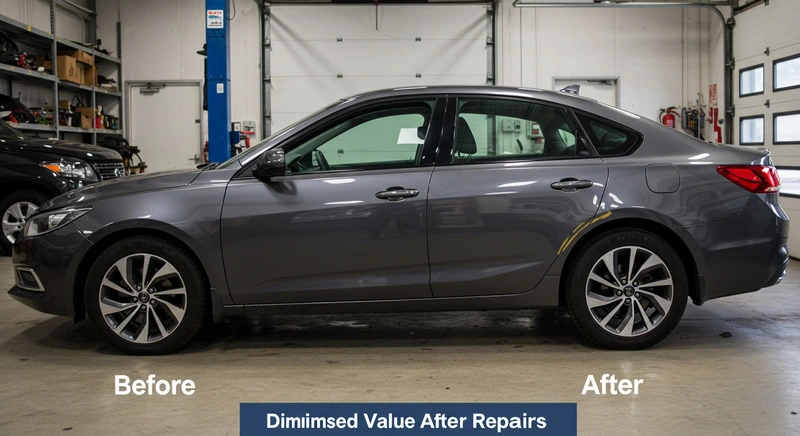
The key is timing, proof, and clean communication. Get the math right, document well, and stay consistent. When done right, diminished value becomes real money. Read on to learn when and how to claim it.
Know what diminished value means
Diminished value is the loss that remains after quality repairs. Think resale stigma, not missed parts. You are paid for the market penalty tied to an accident history. Frame damage and airbag deployment push the loss higher.
High mileage, prior accidents, or poor maintenance shrink the diminished value you can claim, because buyers already discount these issues before the crash. Additionally, higher trims and limited packages often amplify diminished value, but fleet or rideshare history dampens it.
Prove the pre-crash value first
Start with year, make, model, trim, options, and condition. Pull price data from multiple guides. Keep service records and any upgrades. Get dealer appraisals if possible. A local buyer’s quote helps too. For disputes or serious injuries, consult a Fort Lauderdale car accident lawyer. They can help to secure expert reports and protect the claim. Print a clean vehicle history report if you have one from before the crash. Make sure to note tire life, battery health, and warranty status. These details support a higher baseline.
Document the repair quality and scope
Save the body shop estimate, final invoice, and parts lists, and be sure to ask for before and after photos. Confirm that OEM parts were used where policy allowed it. In addition, capture paint codes and blend panels, and keep alignment and frame measurements.
Clean records show you fixed the car right, which makes the remaining loss credible. Be sure to include calibration sheets for ADAS sensors and cameras. Note any back-ordered parts and temporary fixes so gaps are clear.
Get a credible diminished value assessment
Hire an independent appraiser, not the insurer’s calculator. Florida courts favor market-based methods. Comparable sales and dealer quotes beat generic formulas. The 17c formula appears often, but it can miss real-world pricing on newer or specialty cars.
A signed report with comps, photos, and a clear method helps you negotiate. It also reads well for arbitration. Electric vehicles and aluminum bodies may show different patterns, so pick an expert who tracks those markets.
Time and process matter
File the claim as soon as the repairs are finished. Florida’s two-year injury claim window can apply to property claims tied to the crash. Check your policy and the at-fault carrier’s rules. Send a short demand with your evidence packet, and track each response in writing.
If the offer is low, request a reappraisal or invoke appraisal rights. Small gaps settle faster when your math is clean. Make sure to keep your trade or sale plans ready. Real offers create pressure.
Endnote
Diminished value is real money. You earned it by keeping the car in good shape and fixing it the right way. Treat the claim like a small project. Build the file, then present it with calm clarity. If the numbers do not line up, escalate with expert support. Quiet, steady steps protect value and reduce stress. Your goal is to get paid fairly for the loss the market will not forget.
