
What to Do After a Car Accident in Denver: Your Legal Rights and Next Steps
A car accident can turn an ordinary Tuesday into the worst day of your year. One moment you are driving to work or picking up the kids, and the next you are dealing with a crumpled bumper, a stiff neck, and a phone full of insurance questions you do not know how to answer. If you have been in a crash in Denver, understanding what comes next can make a real difference in how your situation resolves.
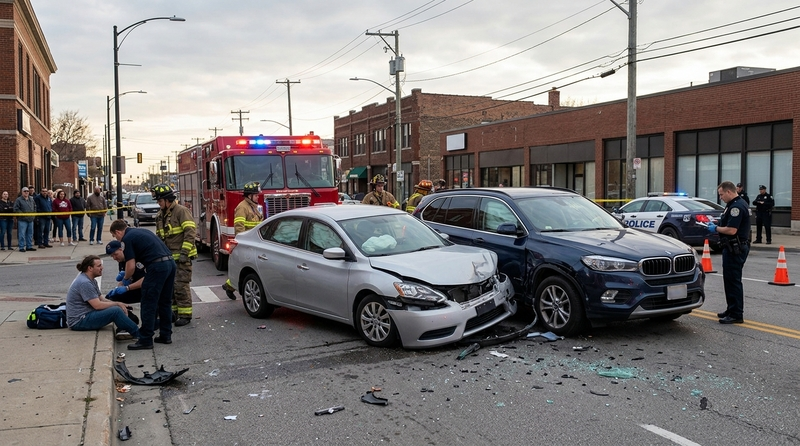
What You Should Do at the Scene
The first priority after any collision is safety. If you can move the vehicles out of traffic and it is safe to do so, do it. Turn on your hazard lights and check on everyone involved. If anyone appears injured, call 911 immediately and wait for emergency services rather than attempting to move people yourself.
Once you have confirmed everyone is stable, start documenting everything. Take photos of the vehicles, the road conditions, any skid marks, nearby signage, and all visible damage. If your phone has a dashcam app or you have a physical dashcam, preserve that footage right away since most devices record on a loop and older clips can be overwritten.
Exchange information with the other driver. You need their name, license plate number, insurance carrier, and policy number. If there are witnesses, ask for their names and contact information. A bystander with no stake in the outcome can carry more weight than either driver when it comes to establishing what actually happened.
Get a Police Report
Colorado law requires you to report accidents that result in injury, death, or significant property damage. Even in minor crashes where police do not respond, filing a report with the Denver Police Department creates a formal record. Ask for the incident number before the officer leaves the scene. That report can confirm the facts of the accident, note any traffic violations, and serve as an anchor for your insurance claim or any legal action down the line.
The First 24 to 48 Hours Matter More Than People Realize
Adrenaline is a powerful painkiller. A lot of people walk away from a crash feeling shaken but fine, only to wake up the next morning with a stiff neck, back pain, or headache that was not there at the scene. Soft tissue injuries, whiplash, and even some internal issues do not always present symptoms immediately.
See a doctor as soon as possible after the accident, even if you feel okay. Not only does this protect your health, but it creates a medical record that ties your injuries to the collision. Insurance adjusters pay close attention to timing. If you wait two weeks before seeing a doctor, the gap in documentation gives them room to argue the injury was unrelated to the crash.
Notify your own insurance company about the accident within the required window. Most policies require prompt notification. However, be careful about giving a recorded statement to the other driver’s insurance company before speaking with an attorney. Their job is to minimize the payout, and anything you say in that call can be used to do exactly that.
How Fault Works in Colorado
Colorado follows a modified comparative negligence rule. This means that if you are found partially at fault for the accident, your compensation is reduced by your percentage of fault. If you are found 50 percent or more at fault, you cannot recover anything at all. This is why the evidence you gather at the scene matters so much. Dashcam footage, witness statements, and scene photos all help establish a clear picture of what happened before anyone starts assigning percentages.
Insurers use this rule strategically. Even when their policyholder ran a red light or rear-ended you at a stop sign, they may try to attribute some portion of fault to you to reduce how much they owe. Having solid documentation and legal representation puts you in a much stronger position when those conversations happen.
When You Should Speak With a Car Accident Attorney
Not every fender bender requires legal counsel. But there are situations where getting legal guidance right after a car accident in Denver is one of the smartest moves you can make. If you sustained injuries that required medical attention, if the at-fault driver is uninsured or underinsured, if the insurance company is disputing fault or offering a settlement that does not cover your expenses, or if the accident involved a commercial vehicle, speaking with an attorney before accepting anything protects your long-term interests.
Personal injury attorneys who handle car accident cases typically work on a contingency basis, meaning you pay nothing upfront and they only collect a fee if you recover compensation. An initial consultation usually costs nothing, and it gives you a clear picture of what your case is actually worth before you sign anything.
What Compensation Can Cover
If another driver was at fault for your crash, you may be entitled to more than just your car repair costs. Compensation in a car accident claim can include medical bills both current and future, lost wages if your injuries kept you from working, pain and suffering, emotional distress, and in some cases, punitive damages if the at-fault driver was especially reckless.
Colorado has a three-year statute of limitations for personal injury claims, so time matters. Getting your situation under control after a Denver car accident is not about being litigious. It is about making sure that the costs and consequences of someone else’s mistake do not fall entirely on you.
