
How to Prove a Car Accident Wasn’t Your Fault
If you’ve been in a car accident that wasn’t your fault, you’ll want it resolved quickly. But without solid evidence, things can drag on for weeks. The other driver’s insurer will try to poke holes in your claim or knock down what you’re owed, and they’ve had plenty of practice doing it.
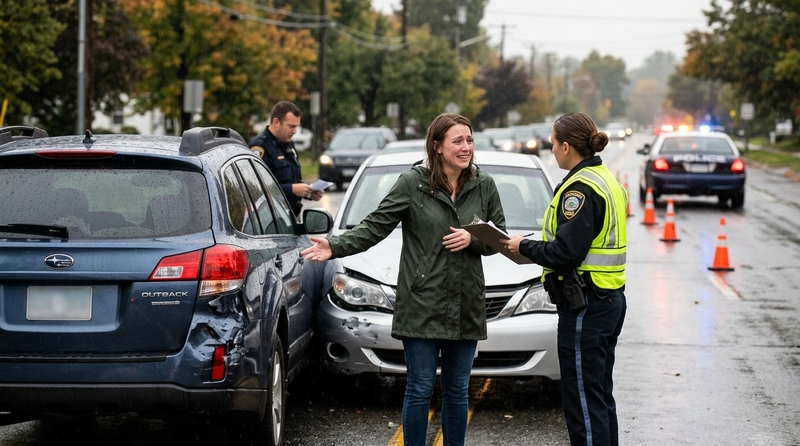
This article will cover everything from what you should be collecting at the scene to how the whole process works once fault has been established, so let’s get into it.
What to Collect at the Scene
The first few minutes after a collision are when the most useful evidence can be gathered. If you’re able to move around safely, start documenting before anything gets shifted or cleared away.
Photos are the obvious starting point. Get shots of both vehicles, where they’ve ended up on the road, any skid marks, nearby road signs, and all the visible damage. A wide-angle photo showing the full scene will be just as helpful as close-ups of individual dents and scratches.
And if your car has a dashcam, save that footage immediately. Most dashcams record on a loop, so older clips get wiped automatically. Don’t leave that for later.
Witness Statements and Third-Party Evidence
If someone saw what happened, grab their name and a phone number. An independent witness with no ties to either driver will carry real weight when it comes to proving your version of events. That could be a pedestrian, a bystander, or even a passenger in another car. They can all give a formal statement down the line if it’s needed.
It’s also worth checking for CCTV cameras on nearby buildings or shopfronts. You won’t be able to request that footage yourself, but a solicitor or claims handler can do it on your behalf. The same goes for traffic cameras run by local councils. When other evidence isn’t clear-cut, this kind of footage can settle the whole thing very quickly.
The Police Report
If the police turned up at the scene, they’ll have filed a report. Make sure you get the incident reference number and keep hold of it. That report can confirm the details of the accident, flag any traffic offences, and note whether the other driver was breathalysed or failed a roadside check. Even if the police weren’t called at the time, you should still report it later if it turns out the other driver was uninsured or left the scene. That report will still count when it comes to your claim.
Once you’ve pulled your evidence together, companies like Innocent Driver can take over from there. They’ll deal with the at-fault insurer directly, so you won’t have to sit on hold or go back and forth with someone whose entire job is to minimise your payout.
How Fault Gets Established
Insurers will look at a mix of things when deciding fault: the evidence you’ve gathered, any police report, the Highway Code, and if the case is disputed, witness accounts. If dashcam footage clearly shows the other driver running a red light or pulling out without looking, fault won’t usually be up for debate.
It gets trickier when there’s limited evidence or when the other driver is telling a completely different story. That’s exactly why independent witness statements, photos of the scene, and any available CCTV matter so much. Getting all of that together early leaves the other side with far less room to argue.
What Happens if Fault Is Disputed
In some cases, insurers will propose split liability, which means both drivers get assigned a percentage of fault. This can reduce the compensation you’re entitled to, so it’s worth challenging if you believe the accident was entirely the other driver’s fault and your evidence backs that up.
A non-fault claims specialist can review your evidence and tell you whether a split liability offer is fair or whether you should push back. They’ll also handle all communication with the other insurer, which takes a huge amount of pressure off your plate.
What You’re Entitled to as an Innocent Driver
If you weren’t at fault, you shouldn’t have to pay your excess or go through your own insurance policy. You can claim directly against the at-fault driver’s insurer for vehicle repairs, a like-for-like replacement vehicle while yours is off the road, and compensation for any injuries you’ve sustained.
A lot of drivers don’t realise they can skip their own insurer altogether. Going through your own policy risks your no-claims discount and could leave you out of pocket, even though you did absolutely nothing wrong. You can do this by yourself, or let an accident management company handle it free of charge.
To Sum Up
Proving a car accident wasn’t your fault really comes down to one thing: evidence. The more you can gather at the scene, the stronger your position will be later on. Dashcam footage is often the single most decisive piece of evidence you’ll have, but witness statements, scene photos, and a police report all add serious weight to your case.
Once fault has been established, you won’t have to deal with the claims process on your own. A specialist can handle it from that point, making sure you get what you’re owed without the stress of chasing insurers yourself.
