
What to Do After a Motor Vehicle Accident
Even the most careful drivers can become victims of accidents. If you drive a motor vehicle, it is essential to know what to do after a motor vehicle accident. Knowing what to do can protect you and your loved ones, safeguard your rights, and help you recover quickly. In this article, we’ll see the most important things to do after an accident.
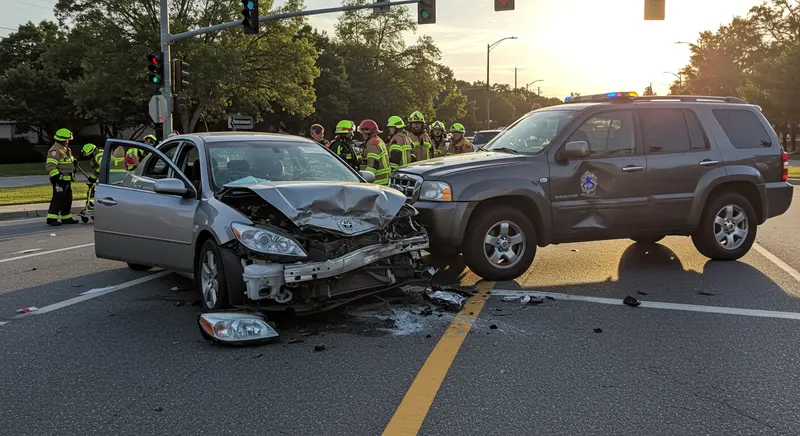
Here is a step-by-step guide to help you know what to do after a motor vehicle accident.
Step 1: Prioritize Safety First
The first thing to do after an accident is to look for any injuries. Check on everyone who is riding in the vehicle. If a person is hurt or hasn’t responded to anything, call the emergency number as soon as you can. Leave a badly injured person where they are, unless there is an immediate danger, such as fire.
If it’s a small accident and your car can still function, get it out of the way of passing vehicles onto the shoulder or somewhere safe. Activate your hazard lights to make sure other cars know you are stopped. If you can’t move your car, keep the seatbelt on and wait inside for help unless it would be dangerous inside, in which case you should get out and move to safety.
Step 2: Call for Help
A person should always report any accident by calling 911 so it is handled properly. In some places, local laws state that you have to notify the police if someone sustains an injury or damage is done to property. If a police officer looks at the scene and writes a report, it can benefit the insurance claim-making process.

If officers do not show up, travel to the closest police station to report the accident. Be sure to make a record of the officer’s details and method of obtaining the accident report.
Step 3: Exchange Information
As soon as everyone is out of danger and help has been summoned, talk to the other people involved in the accident.
Make sure you collect all the necessary information:
- Full name and contact information
- Driver’s license number
- You should note the vehicle’s model, color, and license plate number.
- Name of the insurance company and its policy number
If it is safe to do so, write down the names and contact information of passengers as well. Don’t take the blame and avoid arguments when you’re in such a situation. Focus on learning and reporting facts rather than blaming anyone.
Step 4: Document the Scene
Shoot pictures and videos using your phone at the scene of the accident. Document the location and appearance of any vehicles, visible damage, road signs, traffic lights, marks from skidding, the weather, and injuries.
Also, it’s a good idea to take some quick notes about the incident while everything is clear in your head:
- The time and the date of the incident
- The street and any landmarks nearby, as well as major street intersections
- A brief description of how the accident occurred.
- Road and weather conditions
Evidence and the details from your region’s government will enhance your insurance claim and support you if there are any arguments.
Step 5: Notify Your Insurance Provider
Step five of what to do after a motor vehicle accident is to notify your insurance company within 24 hours of the incident.
Be ready to share:
- The police report number
- Contact details for the other driver
- Accurate details of what happened in the crash and damage to the vehicles
- Any photos or videos you shot at the accident
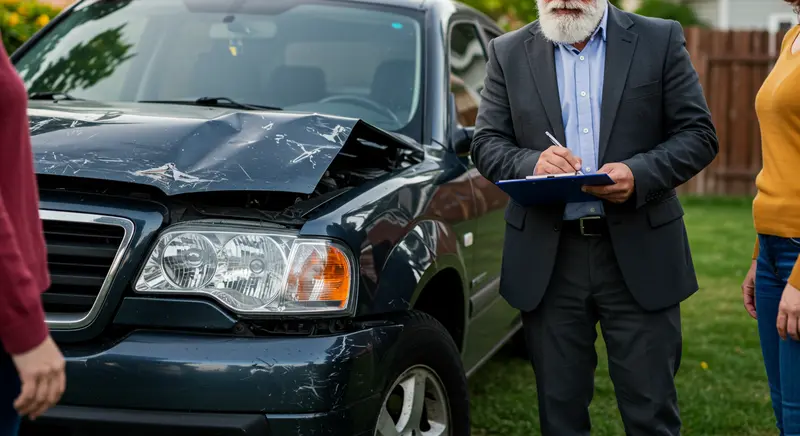
Regardless of whether the accident was your fault, the insurance company should be contacted immediately because if you don’t report the accident, you may not be able to get the full insurance coverage.
Step 6: Seek Medical Attention
It is always advisable to contact the doctor immediately after the accident because there can be some unnoticed injuries, a risk of infection, and whiplash to internal organs. So, don’t wait for the consequences; rather, go to the doctor as soon as possible.

Making an appointment with a doctor provides proper treatment and also records your injuries in a way that insurance companies or courts require.
Step 7: Understand Your Coverage
Before you plan to have accident insurance, make sure that what will be covered in this. Check all coverage plans, including liability, collision, rental car reimbursements, and medical payments. Your insurer should provide health benefits, and the amount covered by your plan.
In some cases, you will have to pay the deductible yourself, so find out your financial role before signing up.
Step 8: Get a Vehicle Damage Assessment
Either make an appointment with a certified auto shop or get an inspection through your auto insurance company’s partners. Experts will assess the cost to fix the damage.
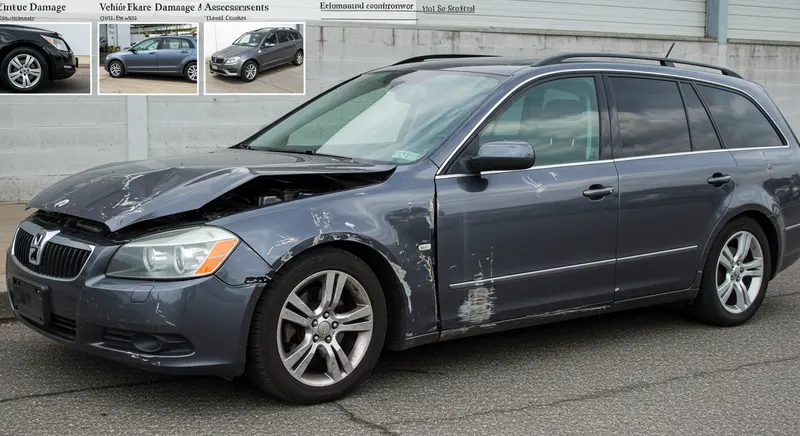
Sometimes, your car will be judged a total loss if the cost to fix it goes beyond its current value. If the claim is approved, your insurance company will compensate you.
Step 9: Keep Track of Expenses
Before filing a claim, make sure to keep track of all the expenses related to the accident, which include:
- Medical bills
- Prescription medications
- Vehicle repair receipts
- Rental car expenses
- Include any lost wages due to missed work.
- Create backup copies of all your records and gather them in a single place so you can easily get to them.
Step 10: Consider Legal Support
When there are major injuries, it is not clear what happened, or the insurance company is not helping, a personal injury attorney might be of use to you. They can arrange for a settlement, fight for you to get a fair payout, and stand with you during any required legal proceedings.
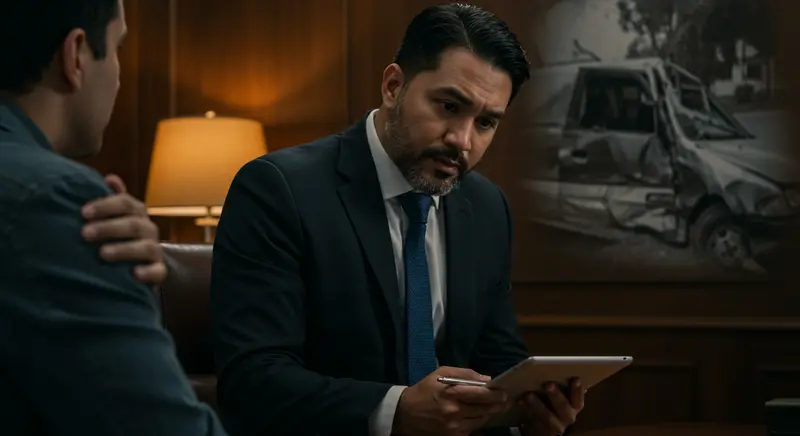
It is wise to contact an attorney if the accident involves two or more people, involves a big or small business vehicle, an uninsured driver, or results in death.
Step 11: Don’t Admit Fault
Even if you suspect you could be at fault, avoid apologizing or admitting things about the accident at the scene or to an insurer. Stick to the facts when giving your statement. The process of finding out who is at fault includes insurance investigators and may also go to court.
Leave the investigation to professionals, and don’t speculate or make assumptions.
Step 12: Take Care of Yourself
After an accident, people are more likely to experience emotional and mental trauma. They can develop symptoms of shock and PTSD, so it is advised to go to a psychotherapist to deal with the feelings of stress and trauma. It is because looking after your recovery is equally important as getting your vehicle fixed.
Conclusion
Taking the proper actions after a car accident can help make the moment less stressful for you. The actions above ensure your protection, as well as the safety of others. Allow yourself to calm down, document every detail, and follow through on each step carefully if you don’t know what to do after a motor vehicle accident.
